Reducing Tax Pressure for Businesses in Fuerteventura
The culinary association Fuertegourmet from Fuerteventura has presented a comprehensive set of proposals to the Government of the Canary Islands aimed at easing the tax burden, reducing costs, and promoting investments to improve the economic situation that is straining the gastronomic sector in Fuerteventura.
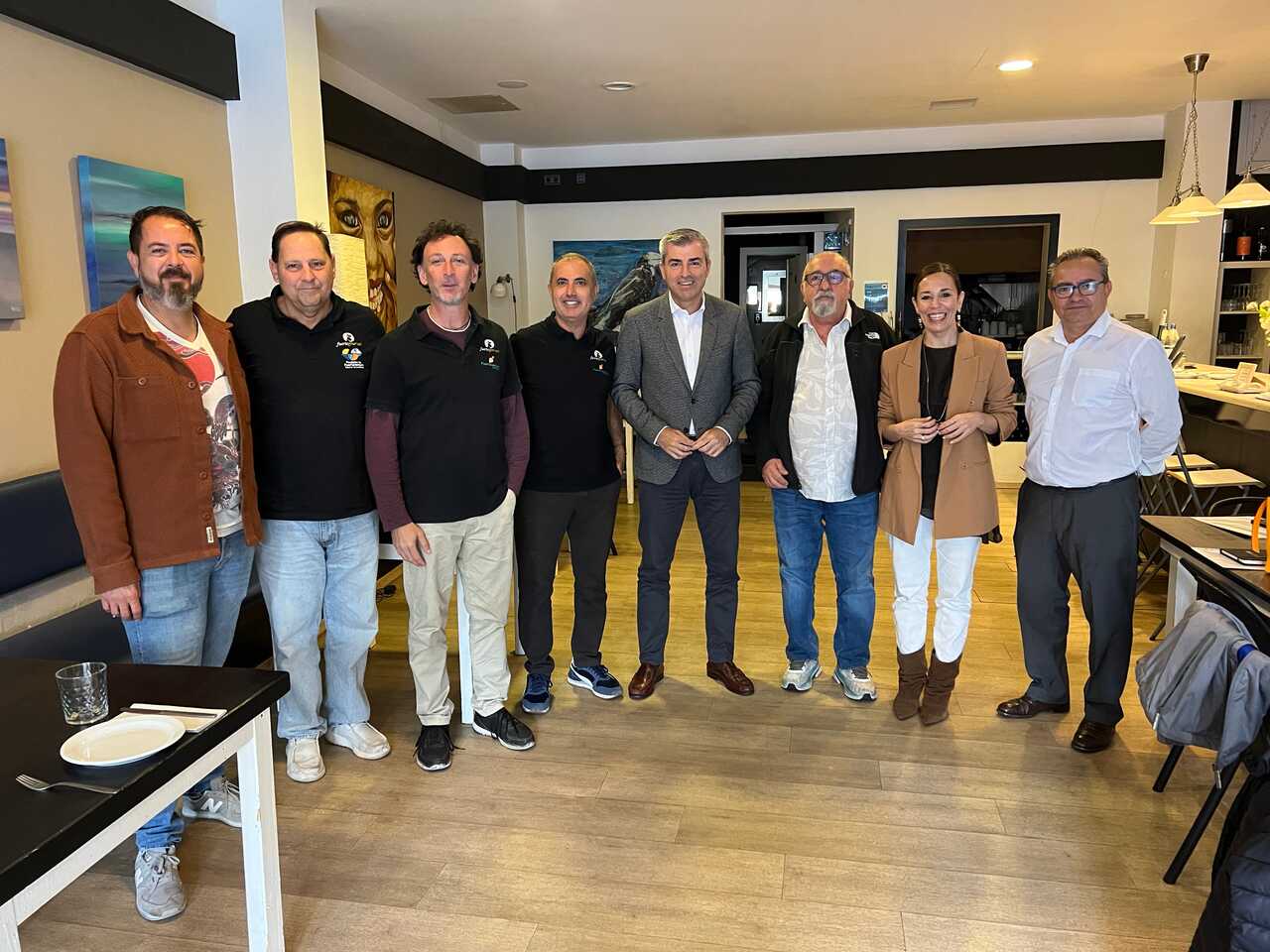
In a recent meeting between the association’s president, Gustavo Astrada, and the Vice President and Economic Minister, Manuel Domínguez, Fuertegourmet advocated for a downward adjustment of the tax pressure for businesses with their headquarters on the island.
Among the prominent proposals put forth is the reduction of the General Indirect Tax (IGIC) from 7% to 3% for restaurants, as well as the introduction of a 0% rate for water and basic goods to level the playing field between the restaurant sector and retail businesses.
Fuerteventura: Caught in a “Limbo”
Fuertegourmet is also keen on increasing the Investment Deduction in the Canary Islands (DIC) to 80%, which would enable modernizing establishments and improving overall competitiveness. This measure is already being implemented in the so-called Green Islands.
Additionally, the association seeks to align the fuel bonus that is currently applicable in the eastern islands since Fuerteventura, they emphasize, has become the island with the highest fuel prices across the archipelago, surpassing even Lanzarote due to exclusion from temporary discounts.
There is also a push for tax incentives aimed at making housing more accessible for workers, addressing the growing challenge of filling job positions due to the lack of affordable accommodation.
For Gustavo Astrada, the president of Fuertegourmet, “this meeting is not just about a list of demands; it is a call for empathy. Attending to these needs will lead to more stable employment and a stronger island economy for everyone.”
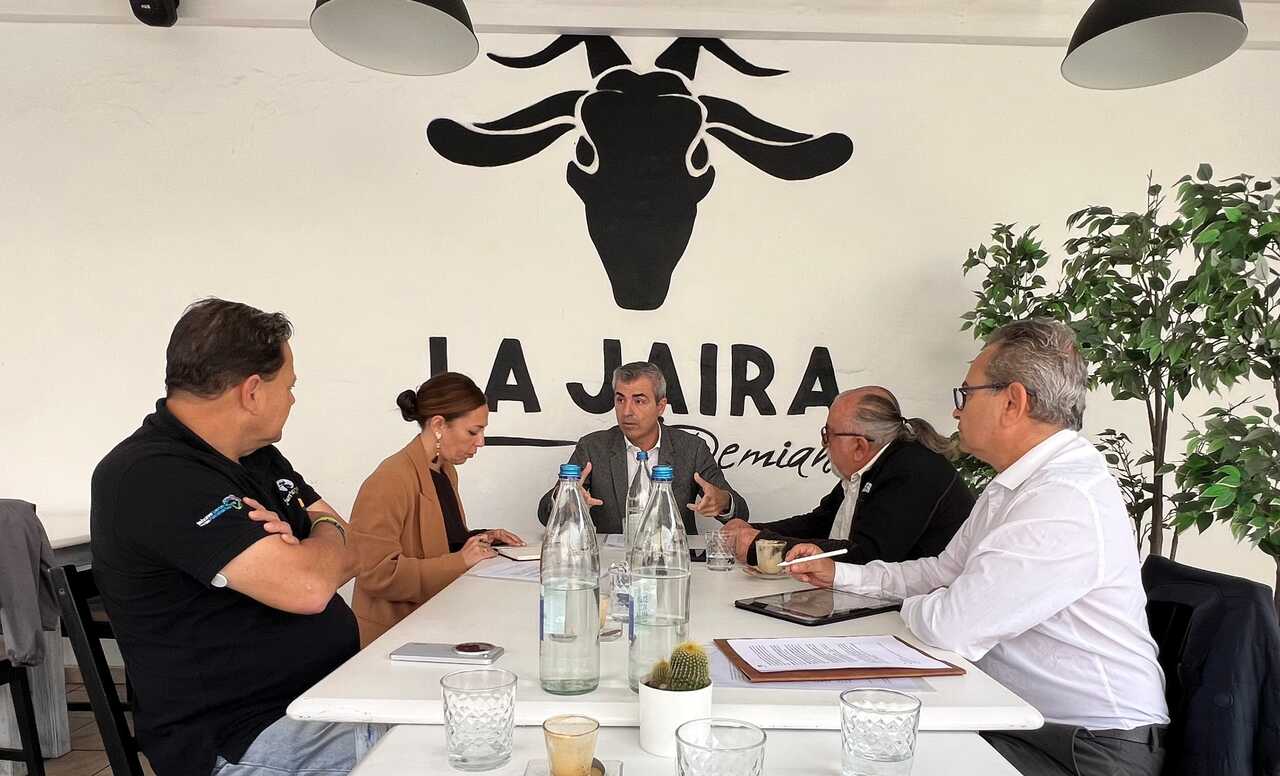
In response, the Vice President of the Canary Islands Government committed to examining the proposals for equating restaurants with retail outlets concerning governmental competencies, to ensure that restaurants can benefit from annual economic dynamization aids provided by the administration.
Moreover, he assured that he would elevate requests related to the DIC, enabling restaurants to invest in improving their establishments, as well as the discussion about tax incentives aimed at facilitating housing for employees.