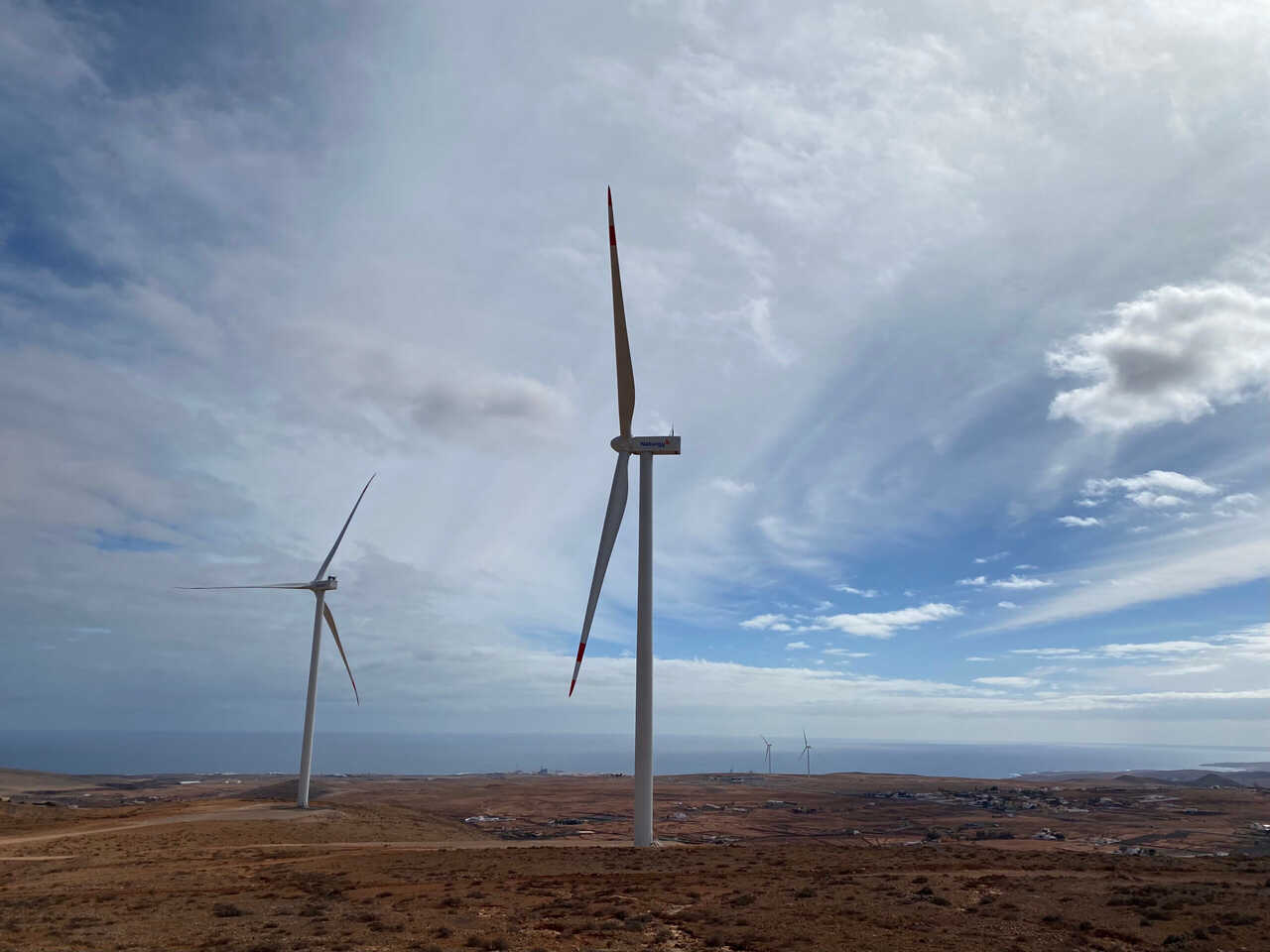
Opposition to Wind Farm Project in Pájara
In June of 2023, the insular government council made a pivotal decision regarding the controversial wind farm project, Costa Clama I, planned for Pájara. The Cabildo expressed strong opposition to the issuance of administrative authorization for this project, firmly advocating that the competencies of the Cabildo in the management and orchestration of natural spaces be upheld. This stance emphasizes the importance of local authorities in decision-making processes affecting their communities and environment.
Concerns Over Environmental Impact
During the public consultation and information-gathering phase, the Department of Land Use and Planning, led by Nereida Calero, delivered a significant blow to the project’s aspirations. The department issued a negative report on the proposed authorization. The primary reasons for the opposition rested on the fact that the wind farm would be situated within the protected natural area of Jandía Natural Park. Additionally, the proposal included plans for access roads that are explicitly prohibited in the zoning regulations. This evaluation raised alarm flags among various stakeholders, highlighting the potential risks to the delicate ecosystem of the protected area.
Municipal Disapproval
Further complicating the project’s trajectory, the Pájara Town Council also weighed in against the wind farm’s administrative authorization. In a resolution by the Urban Planning and Development Councillor, Alexis Alonso, the local government articulated its disapproval of the environmental impact assessment and the declaration of public utility tied to the wind energy project. This opposition stemmed from a fundamental disagreement with the existing municipal planning, reinforcing the sentiment that local governance is integral to maintaining community and environmental integrity.
Repercussions for the Developer
In light of the prevailing opposition, the Directorate General of Energy ultimately decided to dismiss the authorization request from the project promoter for the Costa Clama I wind farm. This decision serves as a clear indicator of the weight local and environmental assessments carry in the approval process for energy projects. The negative reception from both the Cabildo and the municipality underscores the complexities involved in navigating the intersection of renewable energy development and ecological preservation.
Community Voice and Leadership Response
Insular President Lola García has underscored the significance of this development, stating that it represents an essential step in ultimately archiving a project that contradicts the island’s sustainable development model. She criticized attempts to authorize initiatives through extraordinary measures that overlook the unique characteristics and needs of the island. García’s remarks highlight a broader commitment to protecting the local environment while considering future energy initiatives.
Balancing Renewable Energy and Environmental Values
Meanwhile, Nereida Calero reiterated the importance of prioritizing renewable energy initiatives while also ensuring compliance with established procedural norms and respecting the inherent values of local ecosystems. This delicate balance is a theme that resonates strongly within the current dialogue surrounding energy projects—an acknowledgment that while renewable energy is crucial, its implementation must not come at the expense of environmental integrity.
This situation in Pájara serves as a microcosm of the challenges many communities face in navigating the transition to renewable energy sources. It illustrates the need for thoughtful, community-centered approaches that respect ecological boundaries while pursuing sustainable development goals.