Understanding Extreme Coastal Risks in the Canary Islands
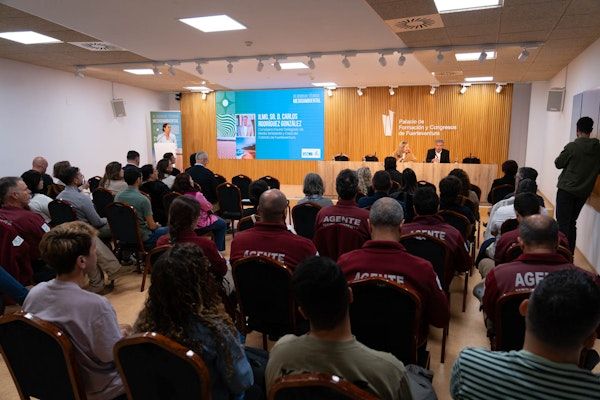
In a recent seminar, Jaime Díaz Pacheco, a professor of Physical Geography at the University of La Laguna, provided an in-depth analysis of extreme coastal risks in the Canary Islands. His focus was on how severe weather phenomena, particularly storms, impact both infrastructure and residential areas. Díaz emphasized the vulnerability of certain critical locations, such as Puerto del Rosario, Morro Jable, and Giniginámar, within Fuerteventura. He noted that these areas face significant exposure to high waves, raising concerns about the potential damage from future weather events.
Impacts on Infrastructure and Communities
The discussion highlighted the urgent need to address these vulnerabilities, as many coastal communities in the Canary Islands rely on tourism and local industries that may be affected by extreme weather. Infrastructure such as roads, seawalls, and buildings are at risk during storms, which can lead to costly repairs and long-term damage—both economically and socially. Understanding these risks is vital for local authorities and residents alike, as they strive to safeguard their homes and livelihoods against the increasing threat posed by climate change.
Coastal Adaptation and Resilience Strategies
The seminar was complemented by insights from Juan Ferrer Serrano, a technician at the Climate Change and Environmental Information Service of the Government of the Canary Islands. Ferrer discussed the ongoing challenge posed by rising sea levels and shared innovative solutions aimed at enhancing coastal adaptation and resilience, particularly for Fuerteventura.
These strategies are designed not only to protect coastal areas from immediate threats but also to prepare for long-term climate impacts. Sustainable architecture, effective urban planning, and the rehabilitation of natural barriers like dunes and mangroves play a critical role in these adaption efforts. Investing in such measures could mitigate future damages, serving as a safeguard for both nature and communities.
Educational Initiatives and Climate Literacy
On the frontlines of community engagement and education, Reynaldo Ramos Sánchez, a senior technician in the Management and Organization of Natural and Scenic Resources, presented two significant initiatives: Project IDAFE and the MAC-IDAFE Territorial Cooperation Project. These initiatives focus on enhancing climate literacy across the MAC region, which includes Madeira, the Azores, and the Canary Islands.
Ramos highlighted the importance of connecting educational efforts with action plans, encouraging collaboration among communities. By empowering residents with knowledge and resources, the projects aim to promote proactive approaches toward climate change adaptation. Strengthening local understanding enhances resilience, fostering a culture that values sustainable practices and shared responsibility for the environment.
Community Discussions on Sustainability
The seminar concluded with a roundtable discussion where local experts deliberated on the far-reaching effects of climate change on the coasts of Fuerteventura. Participants emphasized the necessity for sustainable solutions that involve community input and active participation. The challenges posed by climate change are not only scientific or economic but also deeply human, affecting lives, local ecosystems, and cultural heritage.
The conversation underscored that crafting effective strategies for coastal resilience requires a holistic approach—one that integrates scientific data, community needs, and environmental stewardship. Engaging local populations, stakeholders, and policymakers will be crucial to developing robust and effective responses to these pressing environmental challenges.
In summary, the seminar shone a light on the complexities of coastal risks in the Canary Islands, highlighting the urgency of adapting to changing climate conditions. Through education, community engagement, and innovative solutions, there lies the potential to create a more resilient coastal future, safeguarding both people and the environment.