Exploring the Hidden Treasures of the Canary Islands: Natural Pools and Sustainable Tourism
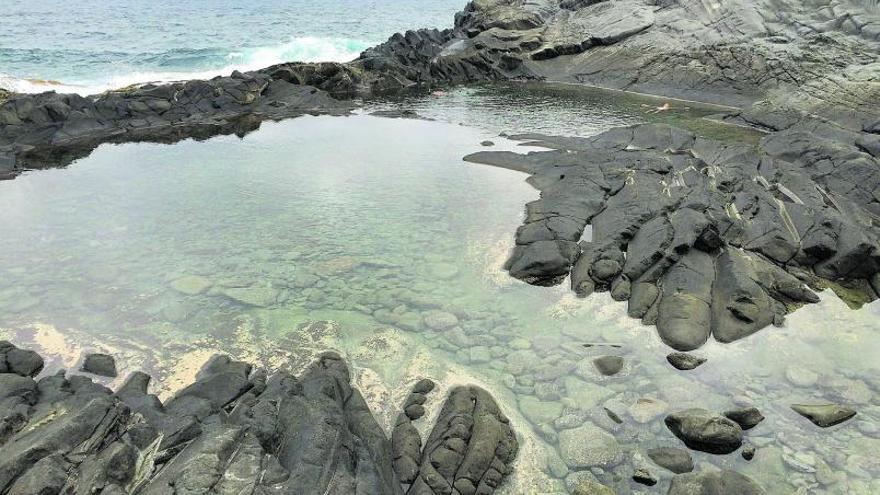
The sea has long been a symbol of the Canary Islands, forming an integral part of the identity and culture of the archipelago. With a coast stretching over 1,600 kilometers, the islands attract visitors seeking the sun and sand. However, beneath the surface lies a treasure trove of natural beauty, particularly the more than 900 natural pools known as “charcos de marea.” These unique formations offer more than just a picturesque backdrop; they present opportunities for sustainable tourism and conservation.
The Charcos de Marea: Nature’s Swimming Pools
Alberto Luengo, an architect with a passion for the sea, has dedicated eight years to documenting these natural pools in his book “Charcos de Marea de Canarias.” Funded by the Canary Island Tourism Department, this remarkable work has captured the imagination of both locals and travelers alike. While tourism in the Canary Islands has traditionally focused on sunny beaches, Luengo’s book introduces readers to lesser-known settings where the ocean and land meet in intriguing ways.
Conservation and Sustainable Tourism Efforts
Ciprián Rivas, the General Director of Tourism Planning and Promotion, emphasizes the importance of sustainable practices in tourism. “Sustainability and conservation of nature are fundamental,” he states, advocating for a tourism model that aligns with sustainable economic development. This initiative is part of the Ecoáreas-Mardetodos project, which aims to protect coastal and marine areas through a budget of 1.15 million euros from the European Regional Development Fund for 2021.
Accessibility and Awareness
The popularity of these charcos has prompted concerns regarding their preservation. Luengo points out that social media can transform a pristine area into a crowded spot overnight, resulting in potential environmental degradation. For instance, the charco de Bañaderos can see up to 3,000 visitors during peak summer months. Such mass visitation takes a toll on the natural underwater landscape, prompting Luengo to advocate for the use of larger, artificial charcos that facilitate visitor engagement while minimizing ecological impact.
Preservation Through Local Engagement
Luengo stresses that each charco is a unique gem sculpted by nature over millennia. To promote their conservation, it is crucial that locals and institutions value these formations. “What isn’t valued, won’t be conserved,” Luengo insists. Hence, raising awareness about these natural wonders becomes a collective responsibility that begins with knowledge.
His book includes detailed descriptions of the locations of the charcos, both enhancing appreciation and posing risks for overexploitation. “Knowledge can lead to overuse,” Luengo reflects, showing the fine balance between engagement and preservation.
The Diversity of Charcos
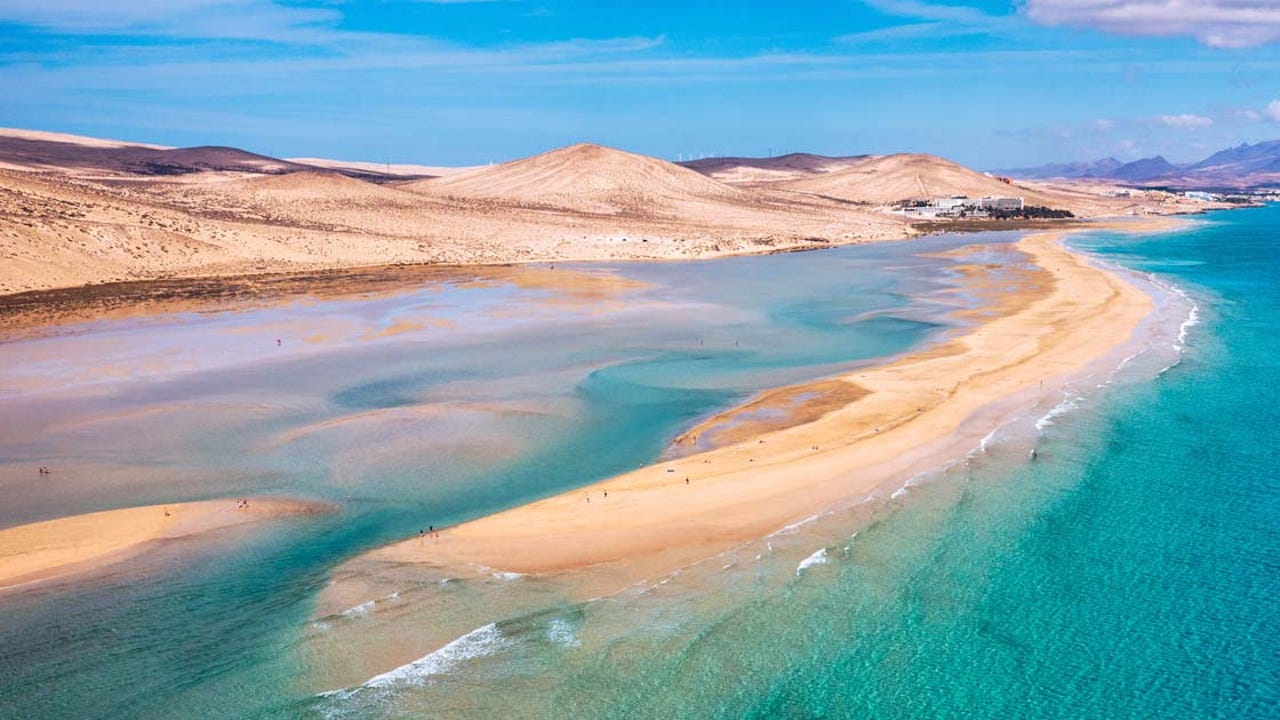
The islands themselves boast distinct varieties of charcos. Gran Canaria is home to 42 natural pools, while Tenerife leads with about 182. Fuerteventura also showcases a considerable number, each with its own allure and ecosystem. The charcos serve not only as refreshingly cool swimming spots but as vital habitats for marine life, thus adding another layer to their value.
For instance, the Charcones de Lanzarote features an impressive 150 unique pools of varying sizes and colors, a spectacular sight that draws nature lovers and photographers alike. Residents often use tools like Google Earth and maps to locate these off-the-beaten-path treasures, seeking the thrill of discovery.
The Call for New Charcos
Luengo’s vision includes the construction of 15 new charcos on the island of Tenerife, as alternative interventions that are less aggressive than developing new beaches. These proposals reflect a thoughtful approach to accommodating tourism while ensuring that the islands’ natural resources remain intact for future generations.
The Lesser-Known Charcos
Many of the most stunning charcos are lesser-known, away from the well-trodden tourist paths. For example, the Charco de la Furnia in Gran Canaria and the Charco de la Leona in Tenerife have amassed a reputation among locals but remain undiscovered by the masses. This hidden potential underscores a growing sentiment that with thoughtful promotion, these natural attractions can flourish without compromising their integrity.
A Rich Tapestry of Nature and Culture
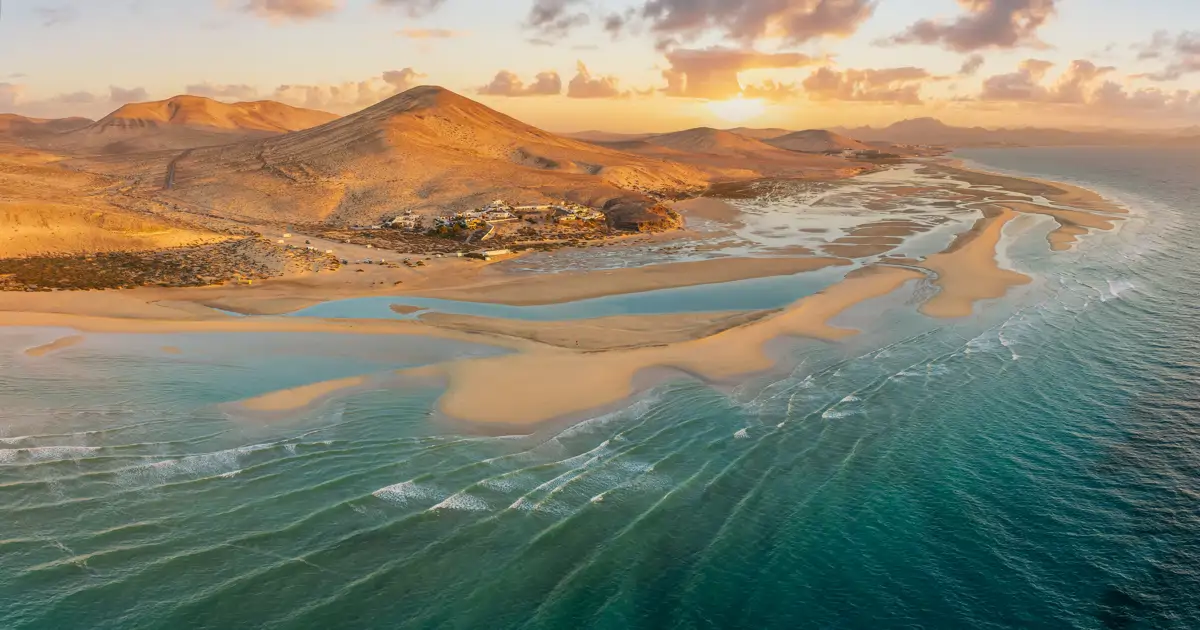
Luengo’s documentation of the charcos is more than a representation of nature; it encapsulates a rich tapestry of culture and tradition linked to the sea. The encroachment of tourism challenges these precious locations but also presents an opportunity for locals to come together to protect them. From the mesmerizing visuals of these natural pools to their silhouettes against the setting sun, the charcos offer visitors a glimpse into the untouched beauty of the Canary Islands.
In summary, the charcos of the Canary Islands embody the delicate balance between tourism and preservation, demonstrating how local engagement and sustainable practices can transform tourism into a force for good. The journey through these natural pools not only enhances the soul of the islands but also awakens a newfound appreciation for the magnificence of nature that envelops us.