The Ongoing Debate Over the Expansion of Corralejo Port
The debate surrounding the proposed expansion of Corralejo Port has become a focal point of environmental and community concerns in Fuerteventura. The project aims to extend the port by over 30,000 square meters and construct a new dock area to the north. Critics argue that this expansion would obstruct the panoramic view of the ocean currently enjoyed from the coastline and spark significant environmental repercussions.
Ecological Concerns and Unforeseen Impacts
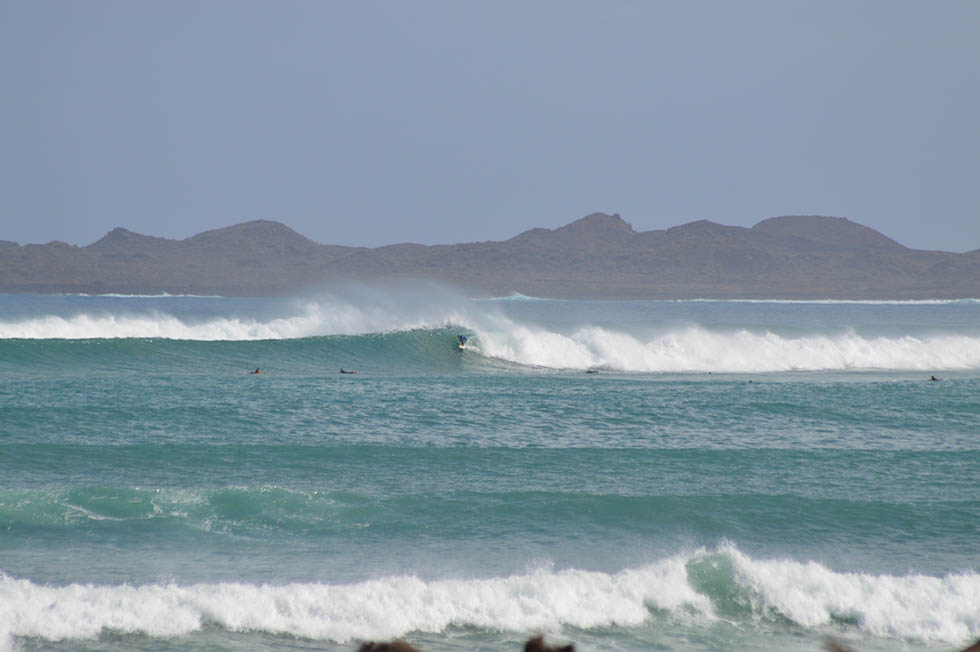
Environmentalists are raising alarms about the potential consequences of the expansion on the area’s unique wave patterns, which not only attract tourists but are also crucial for local water sports enthusiasts. They emphasize that the project fails to adequately consider the intricate changes in local currents, which are anything but linear. According to their objections, the waters around Corralejo experience two opposing currents that vary with tidal phases, making any disruption even more unpredictable.
The complexity of these tidal movements contributes to their regenerative capabilities, which are essential for the health of the bay and its underwater habitats. Environmental groups, including Ecologistas en Acción, have pointed out that the proposed dock, which would more than double the existing structures, could fundamentally alter the entire ecological system of Corralejo Bay. This alteration could lead to stagnant and unpleasant-smelling waters near popular local beaches, particularly during certain times of the year.
Corralejo’s Nautical Fame and Tourism Dynamics
Corralejo has garnered international acclaim for its optimal conditions for water sports, particularly surfing, windsurfing, and kitesurfing. A recent feature in The Surfer’s Journal, a prestigious surfing publication from California, showcased the area’s celebrated surfing spots like Punta del Medio, known to locals as Rocky Point. The region has attracted a growing demographic of digital nomads, further enhancing its profile as an essential destination for adventure tourism.
However, a paradox emerges: while the Canary Islands government invests considerable funding to promote these sports and attract visitors, the proposed port expansion threatens to undermine the very qualities that draw these tourists. The environmental impact is expected to outweigh potential benefits, raising concerns about sustainability.
Implications for Local Marine Life
Ecologists have voiced serious concerns about how the port expansion will affect protected species within the European Union’s Natura 2000 network, such as the loggerhead turtle, common dolphin, and even the critically endangered angelshark. The construction phase alone, which would involve a significant increase in heavy truck traffic through the town for several years, has not been fully accounted for in the impact assessments.
The footprint of the new project includes constructing three breakwaters totaling 441 meters in length, which could have cascading effects on the ecosystems that depend on the region’s current marine habitats. This development is seen as particularly risky for species that are highly sensitive to habitat disruptions.
Economic Rationale and Tourist Traffic Projections
The regional government, represented by Vice Minister for Infrastructure Gustavo Santana, has justified the expansion with claims of increasing passenger traffic. However, past records indicate that the peak of visitor numbers, reaching 1.2 million, occurred four years ago, with expectations that visitor volume will not return to pre-pandemic levels any time soon. The expansion plans speculate on doubling passenger traffic to an ambitious two million, which raises questions about the economic feasibility of this initiative and whether it can realistically be achieved without compromising the island’s natural allure.
The Controversy of Cruise Tourism
One of the underlying goals of the port’s expansion is to position Corralejo as a stopover for small cruise ships. However, experts caution against the potential negative repercussions for the local ecosystem and public health. Concerns have been raised about the air pollution generated by cruise ships, which are often described as floating cities that consume some of the most toxic fuels available.
Claudia Asensi, author of a climate emergency report, argues that investing in such environmentally harmful infrastructure is nonsensical. The ramifications of cruise tourism could not only exacerbate the island’s pollution issues but also contribute significantly to climate change, posing a threat to both local communities and wider global efforts toward sustainability.
The Fragility of Lobos and the Dunes of Corralejo
Environmental groups assert that the new dock would adversely affect not just the local waters but also significantly threaten the surrounding natural spaces like Lobos Island and the Dunes of Corralejo. These ecosystems are already facing heightened pressure from an influx of visitors, which has led to a decline in indigenous species and rising waste levels. The unique flora and fauna of Lobos, often likened to a natural botanical and geological museum, risk irreversible damage as visitor numbers continue to escalate.
The situation represents a critical crossroads for Corralejo and the surrounding ecological landscapes. With residents and tourists alike potentially facing a diminished quality of life and environmental integrity, the community is at a pivotal moment, weighing economic needs against the pressing necessity of ecological preservation.


