A Platform for Environmental Progress
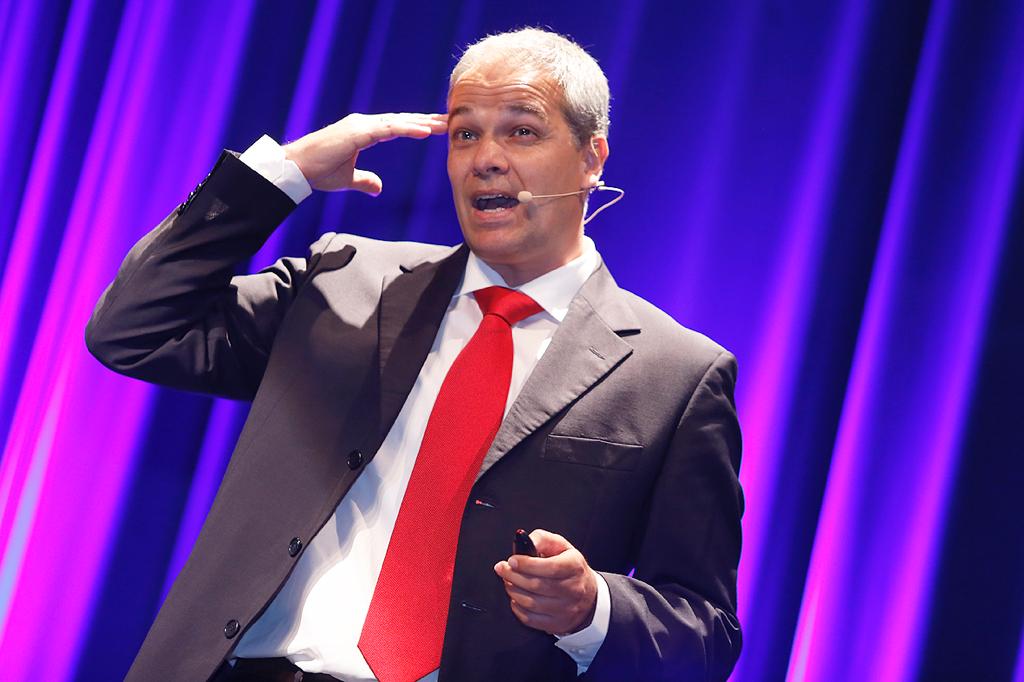
Fuerteventura, one of the stunning Canary Islands, is currently hosting the Atlantic Environmental Conference (CAMA). This three-day event is an important convergence of specialists, institutional representatives, and professionals dedicated to sustainability and territorial conservation. As environmental issues loom larger across the globe, such gatherings become crucial for fostering collaboration and exchanging innovative ideas focused on ecological integrity.
Organized by the Fuerteventura Cabildo through the Environmental Department, the conference aims to delve into key environmental challenges that the Canary Islands face. The discussions promise to engage not only local stakeholders but also international experts, ultimately aiming to enhance accountability and improve conservation efforts within this breathtaking archipelago.
Focus Areas: Biodiversity, Climate Change, and Sustainability
The programming is thoughtfully divided into four major working areas: biodiversity, climate change, the circular economy, and environmental awareness. Over a dozen experts will participate in conferences and panel discussions, making it an enriching experience for attendees.
Carlos Rodríguez, the Environmental Councillor, stressed the meeting’s importance, highlighting how it serves as a platform to share experiences and advance effective solutions to address the unique challenges faced by island territories. This sentiment resonates throughout the conference, emphasizing the island’s vulnerability and the urgent need for collaborative actions.
On the topic of biodiversity, Marlene Figueroa, the Councillor for Ecological Transition and Environmental Sustainability, pointed out that protecting this precious resource is paramount as the effects of climate change become increasingly pronounced. Scientific rigor will be at the forefront of discussions, with experts conveying data-driven insights geared toward minimizing ecological degradation.
Addressing Past Impacts: Lessons Learned
One standout presentation was given by Professor Antonio Fernández, who recounted the significant impact of the cetacean stranding event in Fuerteventura back in 2002. His account illustrated how that unfortunate incident played a role in prompting Europe to reconsider sonar systems, provoked discussions about marine conservation, and underlined the need for urgent action in protecting marine wildlife.
Environmental degradation does not stop at the ocean’s surface. Marisa Tejedor, President of the National Committee of the UNESCO MaB Program in Spain, addressed the critical issue of desertification. She underscored Fuerteventura’s vulnerability to this phenomenon and championed the adoption of immediate adaptation measures to combat it.
Hands-On Learning: Field Trips and Practical Solutions
The conference will continue on June 5th and 6th with further sessions dedicated to practical solutions, as well as on-ground activities. Attendees will have an opportunity to visit the Biological Station of La Oliva, where they will explore various conservation and research projects.
Included in the itinerary is a presentation of initiatives under the Fuerteventura Terrestrial Habitat Restoration Project. This project focuses on reclaiming degraded ecosystems while simultaneously strengthening the protection of the island’s natural heritage—a crucial step in maintaining biodiversity and ecological balance.
In this sixth edition of the Atlantic Environmental Conference, Fuerteventura solidifies its role as a central hub for discussion and analysis of environmental futures in the Canary Islands. The concerted efforts of experts, local government, and the community are paving the way for a more sustainable future, demonstrating that collective action can yield significant outcomes for the environment.