Understanding the Future of Tourism in the Canary Islands
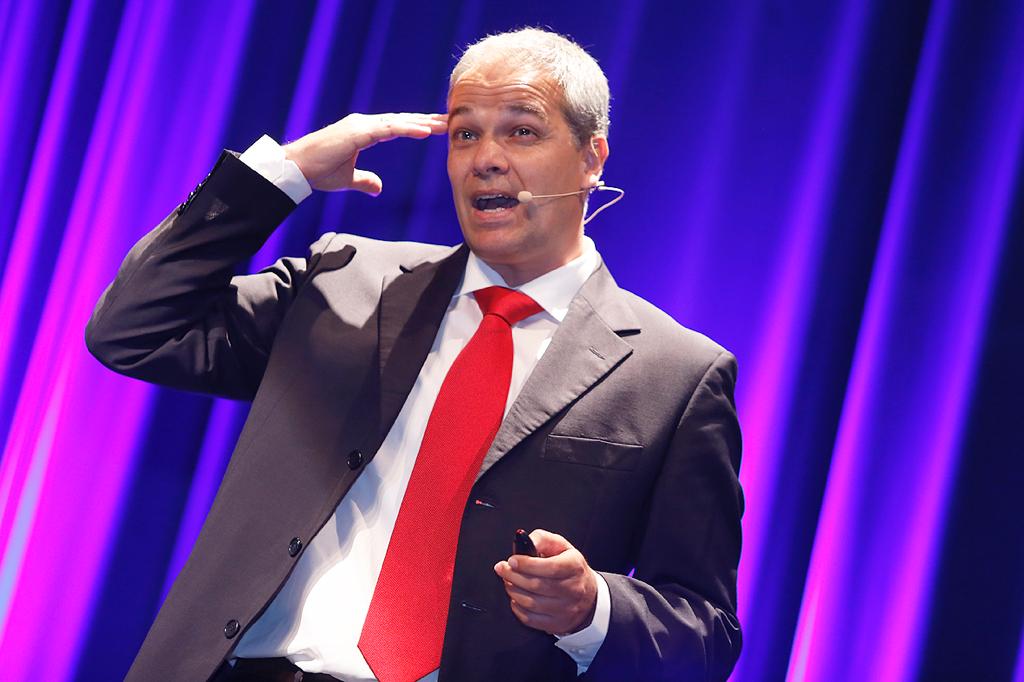
In a thought-provoking interview with La Voz de Fuerteventura, Professor Sergio Moreno raises an essential question about the current state of tourism in the Canary Islands: “If we can’t describe what the current tourism model is, it’s likely that there isn’t one.” This statement sends ripples through the conversation about tourism’s role in the archipelago—an industry that has historically shaped its economy and society.
Tourism’s Historical Impact
Moreno delves into the historical backdrop of tourism in the Canary Islands, noting its dual role as both a catalyst for change and a persistent reflection of outdated practices. Decades ago, the tourism industry provided a “significant initial push” that helped the islands emerge from poverty. This initial surge was not just an economic lifeline; it marked a transformative social change. However, this transformation seems to have stagnated, and as Moreno points out, “the system remains overly reliant on natural resources.”
Current Challenges
Fast forward to the present, and the complexities of the tourism industry come into sharp focus. Moreno argues that while tourism initially fostered growth, it has failed to adapt to modern challenges. Indicators of social well-being demonstrate this need for reconceptualization. Persistent issues like poverty, the plight of groups such as the Kellys (a term used for women who clean hotel rooms), and concerning educational statistics—like low performance in PISA assessments—highlight critical gaps. These social deficiencies raise essential questions: Are the profits from tourism adequately benefiting the communities that host it?
The Complexity of Transitioning Tourism Models
One of Moreno’s central critiques is the oversimplified desire to transition from “brown tourism” (mass tourism focused on consumption of natural landscapes) to “green tourism” (sustainable practices) without addressing intermediate steps. He points out that making such a leap lacks sophistication and ignores the necessary groundwork. There should be a “grey” phase—an essential transitional period requiring extensive knowledge and modeled frameworks for tourism management before embarking on a path toward sustainability.
Despite the Canary Islands being a global leader in the tourism sector for decades, these essential elements seem curiously absent. Moreno emphasizes that the industry often relies on final indicators instead of examining underlying causes. For instance, determining a destination’s capacity for visitors is not as simple as crunching numbers; it requires a nuanced understanding of social, environmental, and economic factors.
Analyzing Major Projects
This lack of clarity in tourism models is especially critical in the context of high-profile projects like the Dreamland film city. Much of the discourse revolves around the geographical aspects of such developments. However, there’s a crucial question that remains unanswered: How can we assess whether this project supports or undermines the tourism model if we don’t even know what that model is?
The Call for Dialogue
The urgency of these discussions isn’t just academic; it’s a communal concern that affects the lives of many island residents. Moreno invites the citizens of Fuerteventura to engage actively in the dialogue about the future of tourism in their region. He encourages attendance at an upcoming talk to further explore these pressing issues.
By grasping the multifaceted nature of tourism, its historical roots, and the implications of its evolution or lack thereof, stakeholders can begin to paint a clearer picture of what the future might hold for this vital industry in the Canary Islands.