The Controversy of Gender Exclusion in Spain’s Holy Week Processions
MONTORO, Spain (AP) — In a nation renowned for its vibrant and deeply rooted Easter celebrations, a recent decision by a religious brotherhood has sparked significant debate and protest. The Puríssima Sang de Nostre Senyor Jesucrist brotherhood in Sagunto has chosen to exclude women from its Holy Week procession, a move that has ignited outrage among many, including government officials and local citizens.
A Tradition of Celebration
Spain’s Holy Week, or Semana Santa, is a time of profound religious significance and cultural expression. The processions, which date back centuries, are elaborate events that draw both locals and tourists alike. Major cities like Seville host grand processions that can last for hours, showcasing intricate floats and statues that depict scenes from the Gospels. In contrast, smaller villages celebrate with more intimate gatherings that emphasize family and tradition.
The Exclusion Controversy
The decision by the Sagunto brotherhood to exclude women was defended as a matter of “respect for tradition.” However, this rationale has not sat well with many. Protests erupted in the streets, with demonstrators voicing their discontent over what they see as an outdated practice that undermines gender equality. The backlash highlights a growing demand for inclusivity within religious traditions that have historically been male-dominated.
The Role of Women in Processions
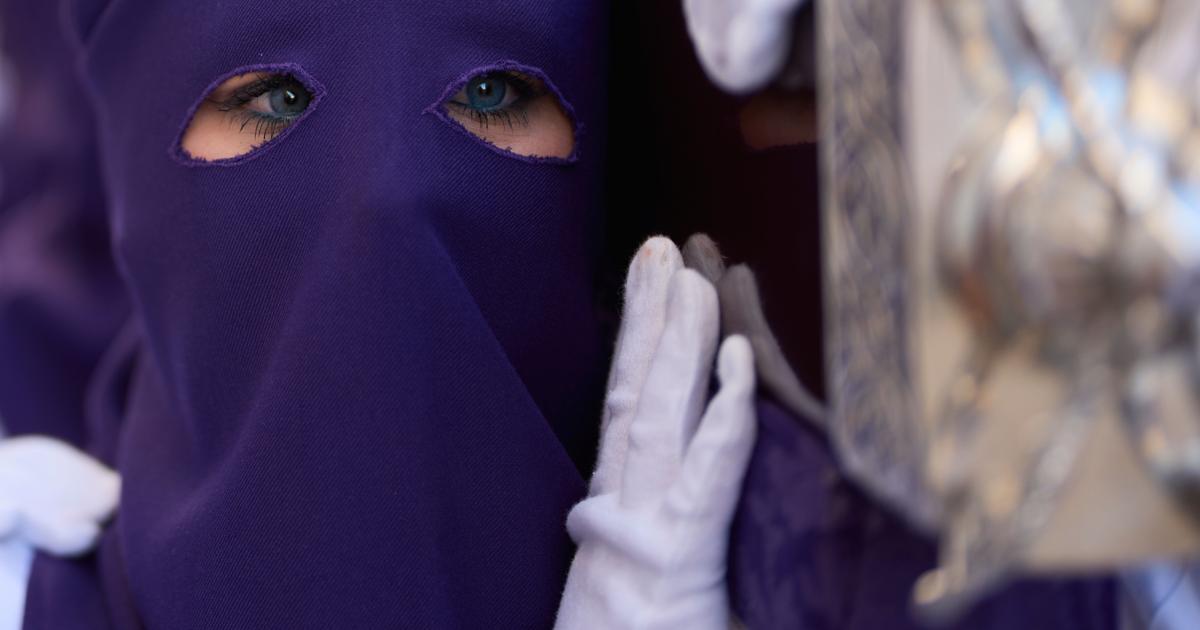
While the Sagunto brotherhood’s decision stands out, many other brotherhoods across Spain have embraced women in various roles. In some regions, women are seen as “portadoras,” carrying floats on their shoulders, a role that has gained popularity in recent years. In Baena, for instance, women adorned in traditional purple hoods were spotted carrying a flower-decked float featuring a statue of Jesus in prayer, showcasing their active participation in the festivities.
Voices from Montoro
In Montoro, another village in the province of Córdoba, the sentiment is markedly different. Local members of brotherhoods argue for equal roles for men and women, especially given that the sacred images carried in processions often include both the Virgin Mary and Jesus. Ricardo Ruano, a local participant, emphasized the importance of family involvement in these traditions, stating, “We wait for this the whole year, because it’s our favorite.”
Women in Montoro have also expressed their indignation at the exclusionary practices in Sagunto. Rosa de la Cruz, a local portadora, asserted, “We as women have the same right as a man to go out in the procession.” Her words reflect a broader sentiment among women who participate not for attention but to honor the sacred images they carry.
A Shared Faith
Despite the physical demands of carrying heavy floats, many women in Montoro believe that faith and devotion transcend gender. Mari Carmen Lopez remarked, “We go with faith, with devotion, with all our hearts.” This perspective underscores the idea that the emotional and spiritual connection to the processions is what truly matters, regardless of who is carrying the float.
The Changing Landscape of Brotherhoods
As Spain becomes increasingly secular, interest in participating in Holy Week processions continues to grow. Juan Carlos González Faraco, a professor at the University of Huelva, notes that many brotherhoods have begun to include women in leadership and processional roles over the past few decades. While some of the heaviest floats are still carried exclusively by men, the inclusion of women in other capacities marks a significant shift in tradition.
The Broader Implications
The controversy surrounding the Sagunto brotherhood serves as a microcosm of a larger societal debate about gender roles within religious practices. As communities grapple with the balance between tradition and modern values, the voices of women in Montoro and beyond are becoming increasingly prominent, advocating for equality and inclusivity in all aspects of religious life.
A Time for Reflection
As Holy Week unfolds across Spain, many participants are also taking time to reflect on recent tragedies, such as a devastating train accident that claimed nearly four dozen lives earlier this year. This somber reminder of life’s fragility adds another layer of meaning to the processions, as communities come together in both celebration and mourning.
In this rich tapestry of faith, tradition, and evolving social norms, the story of Spain’s Holy Week processions continues to unfold, inviting dialogue and reflection on the roles of men and women within these cherished customs.