The Legacy of Gofio in La Orotava: A Journey Through Time at Molino de Chano
The name gofio in La Orotava, a charming town in the North of Tenerife, instantly brings to mind one iconic figure: Chano. The Molino de Chano, along with La Máquina, stands as one of the last remaining water-powered mills from the thirteen that once thrived from Villa Arriba (La Piedad) to the vicinity of the Iglesia de La Concepción. These mills transitioned to electric power during the 1950s, but even today, this small artisanal industry continues to produce high-quality gofio, a staple food that has nurtured generations of locals and newcomers alike.
A Historical Perspective
Molino de Chano is not merely a mill; it is a vital part of the community history. As noted by historian Manuel González, a professor at the University of La Laguna, the mill has roots dating back to the mid-16th century. It was initially owned by Pedro Benítez de Lugo, a member of notable families who contributed to the development of La Orotava. Constructed just above the Iglesia y Convento de San Francisco, it played a crucial role in the agricultural and social fabric of the region.
The Heartbeat of the Community
For generations, the mill has been a source of sustenance not just in terms of food but also as a community gathering space. Chano’s legacy is alive through his granddaughter, Gara González Reyes, and other family members who have taken responsibility for the mill’s operations while maintaining its traditions. The family ethos emphasizes hard work, craftsmanship, and a commitment to quality, ensuring that this generational venture will thrive well into the future.
Tradition Meets Modernity
As the mill transitioned to electric power, Chano confronted challenges that many millers before him could not. He is remembered fondly by his family, particularly his daughter Nieves, who describes him as someone deeply committed to the craft. Today, the mill employs techniques handed down through the generations, ensuring that the gofio maintains its traditional taste and texture.
The Social Sphere: A Shared Space
The mill’s operations extend beyond food production. It has historically served as a social hub. Nieves recalls how residents would gather at the mill to talk and share community news. This social dimension was crucial in enhancing the village’s cultural vibrancy. The once-bustling lavaderos (washhouses) nearby were not just places for cleaning clothes, but pivotal in fostering community interaction.
Challenges and Triumphs
Despite its popularity, the mill has faced threats from modernization and changes in consumer behavior. The proposed elimination of lavaderos, as asserted by former mayor Isaac Valencia, ignited a public outcry that underscored the cultural significance of such spaces. The community rallied to protect its heritage, demonstrating how deeply embedded these traditions are in the local identity.
Celebrating Craftsmanship and Quality
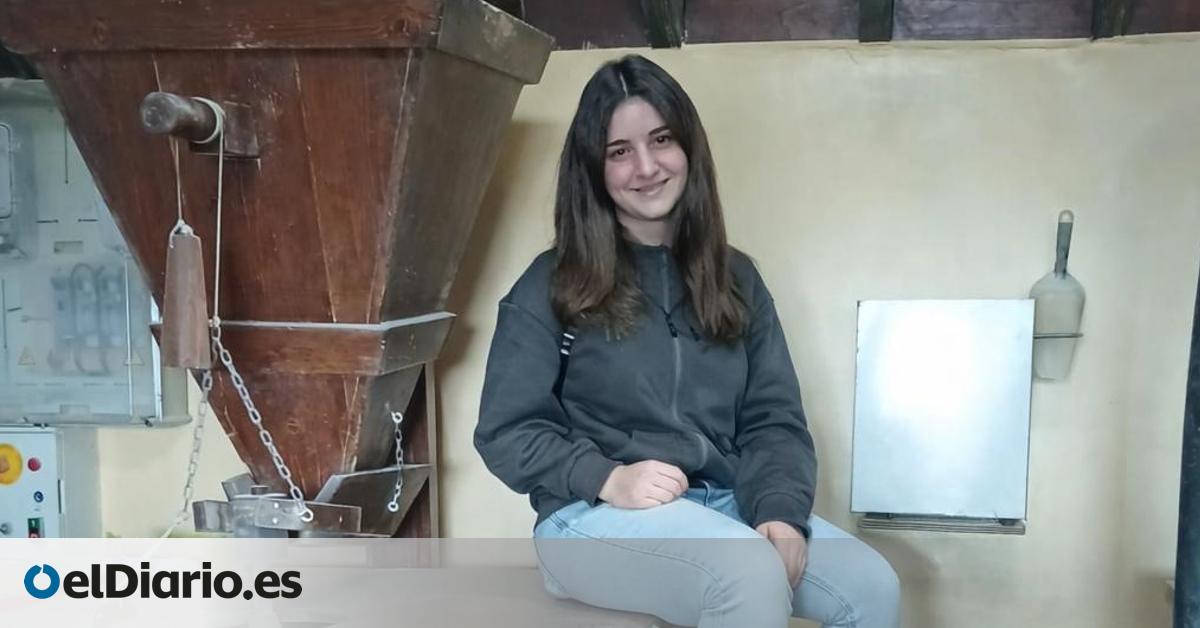
Today, Gara—at just 31 years of age—plays a critical role in preserving her family’s legacy at the mill. The mill produces a variety of gofio with an emphasis on raw quality. Jose Delgado Hernández, who has worked at the mill since he was 14, has become a key figure in maintaining the high standards set by Chano. His expertise in assessing the quality of grains and their meticulous preparation has become invaluable to the mill’s reputation.
A Growing Demand
In recent years, gofio has regained popularity among both locals and tourists. From schools introducing it to children as a healthy food option to restaurants seeking authentic local ingredients, the demand has surged. Nieves expresses pride in hearing that children notice the absence of their beloved gofio, emphasizing the emotional connection the community has with this culinary staple.
The Future of Gofio
Looking ahead, the family is optimistic about the future of gofio-making in the region. They hope that more young people will immerse themselves in agriculture, fostering respect and appreciation for local produce. However, concerns persist about the quality of commercially available gofio, which often lacks the traditional touch.
Embracing Heritage Amid Challenges
The family argues vigorously for the recognition of their endeavor as a traditional industry, calling attention to the economic challenges they face. They evoke the idea that their work transcends mere commercial interest; it’s about preserving a part of their heritage and ensuring the legacy of gofio continues.
Daily Life and Anecdotes
The everyday interactions at Molino de Chano brim with rich anecdotes that highlight the human element of the business. From clients bringing their own grains for milling to memories of community tragedies, those who work at the mill often find themselves entwined with the fabric of local life, ensuring that each batch of gofio carries not just nutritional value but also stories and memories of La Orotava.
An Enduring Significance
Ultimately, the journey of gofio at Molino de Chano is a testament to the resilience of tradition. It remains a significant part of the culinary landscape of Tenerife and encapsulates the spirit of the community. The mill stands not only as a provider of sustenance but as a cultural landmark that connects past and present, representing the ongoing legacy of the people of La Orotava.