“It is extremely important for the Fuerteventura community to know that Pico de la Zarza is privately owned, not public land,” declared the Environment Councillor of the Cabildo de Fuerteventura, Carlos Rodríguez. He made this statement on the airwaves of Radio Sintonía, while also expressing the Cabildo’s intention to purchase the area, an idea that is currently under discussion.
The enhancement of the site is already in progress. The Cabildo has reached an agreement with the property owners to replace the current fencing, making it stronger and more durable. Councillor Rodríguez reported ongoing issues with damage to existing fences and weather measurement equipment, highlighting how such vandalism “impairs the hopes of improving these environments.” This commitment to preservation is crucial for both the natural habitat and the local community that cherishes this landscape.
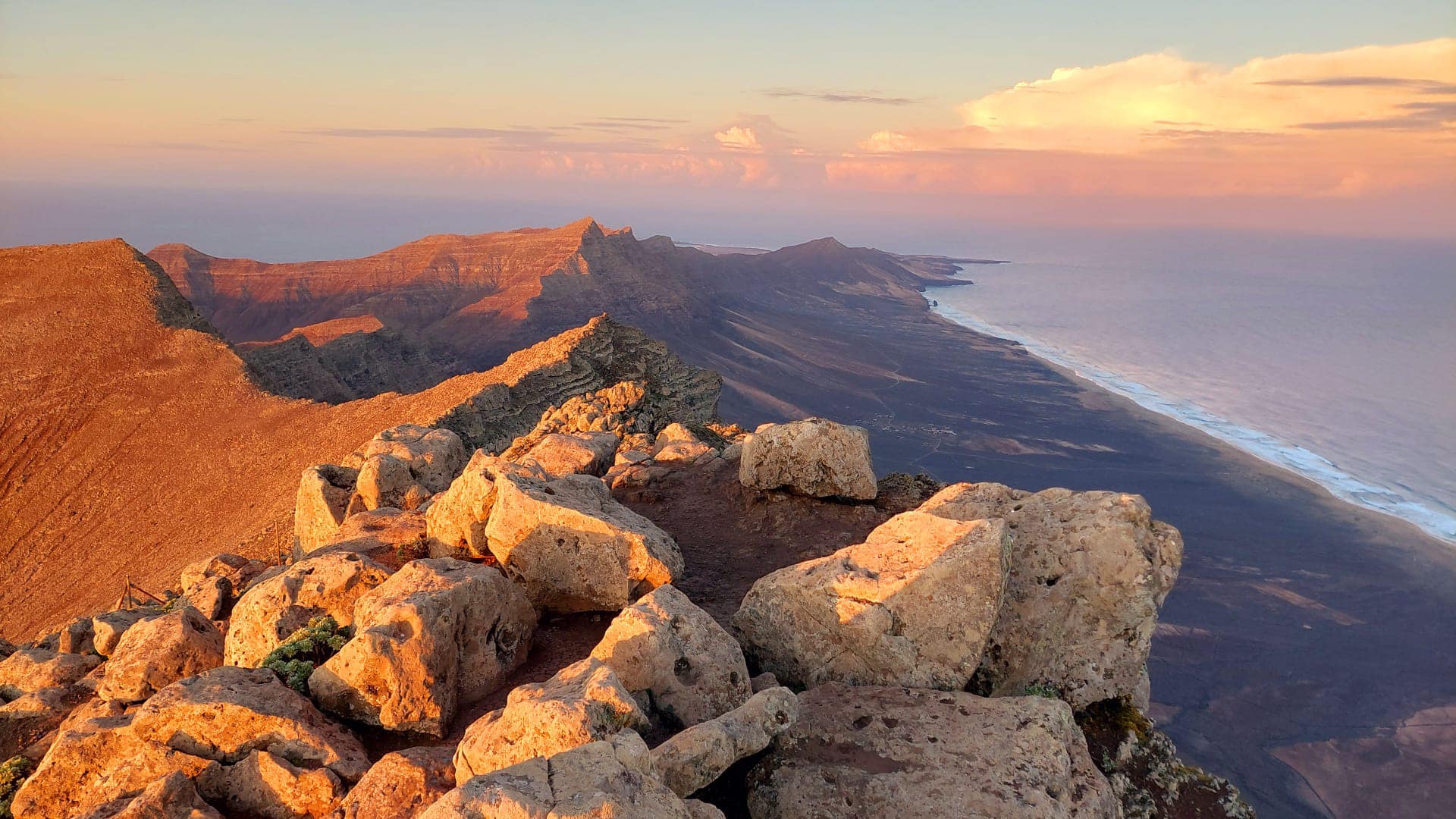
Standing at an impressive 807 meters above sea level, Pico de la Zarza is the highest point on Fuerteventura, offering spectacular views of the Cofete coast and surrounding mountains within the Jandía Natural Park. The summit serves as an elevated lookout, making it a popular destination for hikers and nature lovers alike. Whether you’re capturing breathtaking photographs or simply soaking in the tranquility of the landscape, this spot holds a special allure for visitors.
Moreover, the Pico de la Zarza and its surroundings are recognized for their ecological significance. According to the Ministry of Agriculture, Fisheries, and Food’s documentation on natural pathways, this area boasts one of the highest concentrations of endemic flora found on the island. Visitors can encounter numerous unique species, including the Jandía marguerite (Argyranthemum winteri) and the Jandía bugloss (Echium handiense). Such biodiversity underscores the importance of conservation efforts and regular maintenance of the environment.
The rugged cliffs of this natural landscape also provide essential habitats for various wildlife species, including critically endangered raptors such as the Egyptian vulture (Neophron percnopterus majorensis) and the Eleonora’s falcon (Falco pelegrinoides). Preserving these habitats is vital for maintaining the ecological balance and safeguarding these majestic birds from extinction. The involvement of the local government in addressing the conservation needs of these species is a positive sign for the region’s environmental future.