The Importance of El Saladar de Jandía: Conservation and Biodiversity in the Canary Islands
A Unique Ecosystem
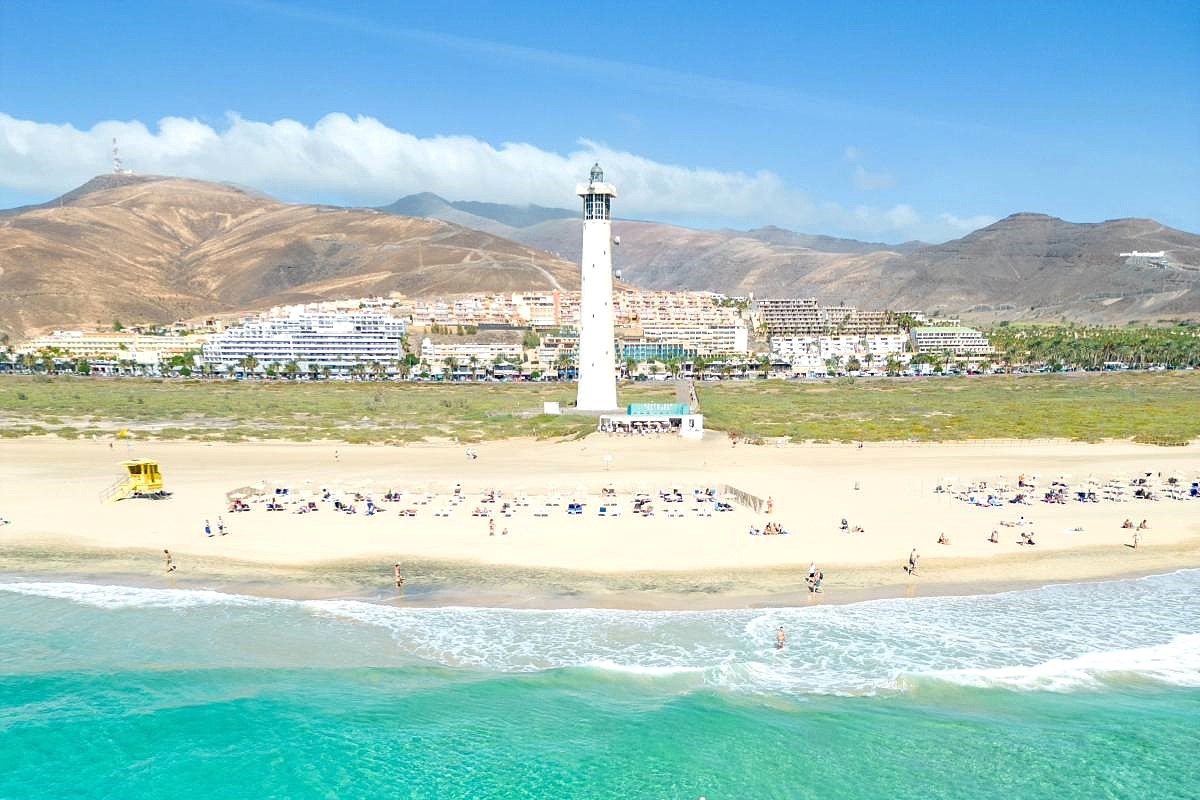
El Saladar de Jandía stands out as the only Ramsar wetland in the Canary Islands, designated under an international treaty aimed at the preservation of wetlands. Covering an impressive stretch of coastline over two kilometers long and about 500 meters wide, this ecological gem is a vital sanctuary for numerous species, both terrestrial and avian. Spanning a total protected area of 115.6 hectares, El Saladar features a unique ecosystem filled with halophytic thermal-atlantic shrubland, comprised of resilient plant species adapted to saline conditions and occasional flooding. Among the noteworthy flora are the balancón, siempreviva, salicornia, alhelí, and the native cardón de Jandía.
Conservation Initiatives
Recognizing the inherent environmental value of El Saladar, the Cabildo de Fuerteventura has taken assertive steps to safeguard this vital habitat. The government body, through its Department of Environment and Hunting, has commissioned Gestión y Planeamiento Territorial y Medioambiental (Gesplan) to upgrade the fencing around El Saladar. This new installation is currently underway, featuring treated wooden planks supported by concrete bases and wooden posts set every two meters. This careful endeavor is designed to manage the flow of visitors and beachgoers while preserving the natural integrity of this protected space.
Keeping Human Interaction in Balance
As tourist activity increases in this area, maintaining a delicate balance between human interaction and environmental preservation is crucial. The project aims not only to protect the habitat but also to educate visitors about responsible engagement with nature. The new fencing will guide tourists safely through designated areas, minimizing any potential damage to the delicate ecosystem. As local authorities stress, the goal is to ensure that the influx of visitors does not detract from the intrinsic beauty and ecological significance of El Saladar.
Birdwatching Paradise
El Saladar serves as a haven for various marine and migratory birds. Its diverse habitats—including shrubby areas and shallow ponds—provide essential resources such as food, shelter, and nesting sites. Notable bird species include the black-winged plover, common sandpiper, bar-tailed godwit, little egret, osprey, and flamingo. Birdwatchers often flock to this unique wetland, seeking to enjoy the spectacle of these beautiful creatures in their natural environments.
Community and Environmental Awareness
The President of Cabildo, Lola García, emphasizes the pressing need to protect these biodiverse areas. She notes the importance of increasing public awareness regarding the ecological significance of wetlands. It is vital for communities, including both residents and tourists, to understand their role in the conservation of such crucial ecosystems.
Carlos Rodríguez, the Councillor for Environment and Hunting, reinforces this sentiment, stating that preserving distinctive natural spaces like El Saladar is strategically important for the flora and fauna that inhabit them, as well as for the wellbeing of both locals and visitors. The development of economies that rely on the conservation of nature can thrive through education and sustainable practices.
Rich Biodiversity Under Siege
The vital role of El Saladar extends beyond human enjoyment; it is a sanctuary that supports a wide variety of life. The region provides fertile ground for halophytic plants that have adapted to harsh conditions. The ecological significance tied to water management, biodiversity, and habitat preservation is paramount, given that wetlands like El Saladar play crucial roles in climate regulation and flood mitigation.
With ongoing conservation efforts, El Saladar de Jandía is poised to remain a critical ecological asset for the Canary Islands. As initiatives to improve visitor facilities proceed, the hope is that both education and sustainable tourism will promote long-lasting preservation and appreciation for this unique natural gem.