Unraveling the Mystery of Tartessos: Spain’s Enigmatic Civilization
The question of what the Tartessos civilization truly was remains one of the most pressing for Spanish scholars. For the country, this is not just a historical mystery—understanding the past shapes both national identity and the development of archaeological research. Mistakes made in the early 20th century still hinder consensus on the culture’s borders, period of existence, and ethnic composition.
The Origins of the Debate
The first references to Tartessos appeared in the 16th century, notably in the “Crónica General de España,” which mentioned the legendary king Argantonio. This sparked interest in the culture, but for a long time, there was no clear archaeological evidence to support its existence. The German archaeologist Adolf Schulten, a key figure in the early 20th century, embarked on a quest to locate the city. However, his inability to find physical traces led him to propose a controversial theory: that Tartessos had sunk beneath the waves, akin to Plato’s mythical Atlantis. This hypothesis, born out of disappointment, gave rise to a persistent myth that obstructed objective study of the topic for decades.
Schulten’s theory provided a convenient explanation for the lack of discoveries, but it also led to Tartessos being equated with Atlantis—an idea devoid of scientific basis. This conflation muddied the waters of scholarly inquiry, making it difficult to separate fact from fiction.
Contemporary Research and New Discoveries
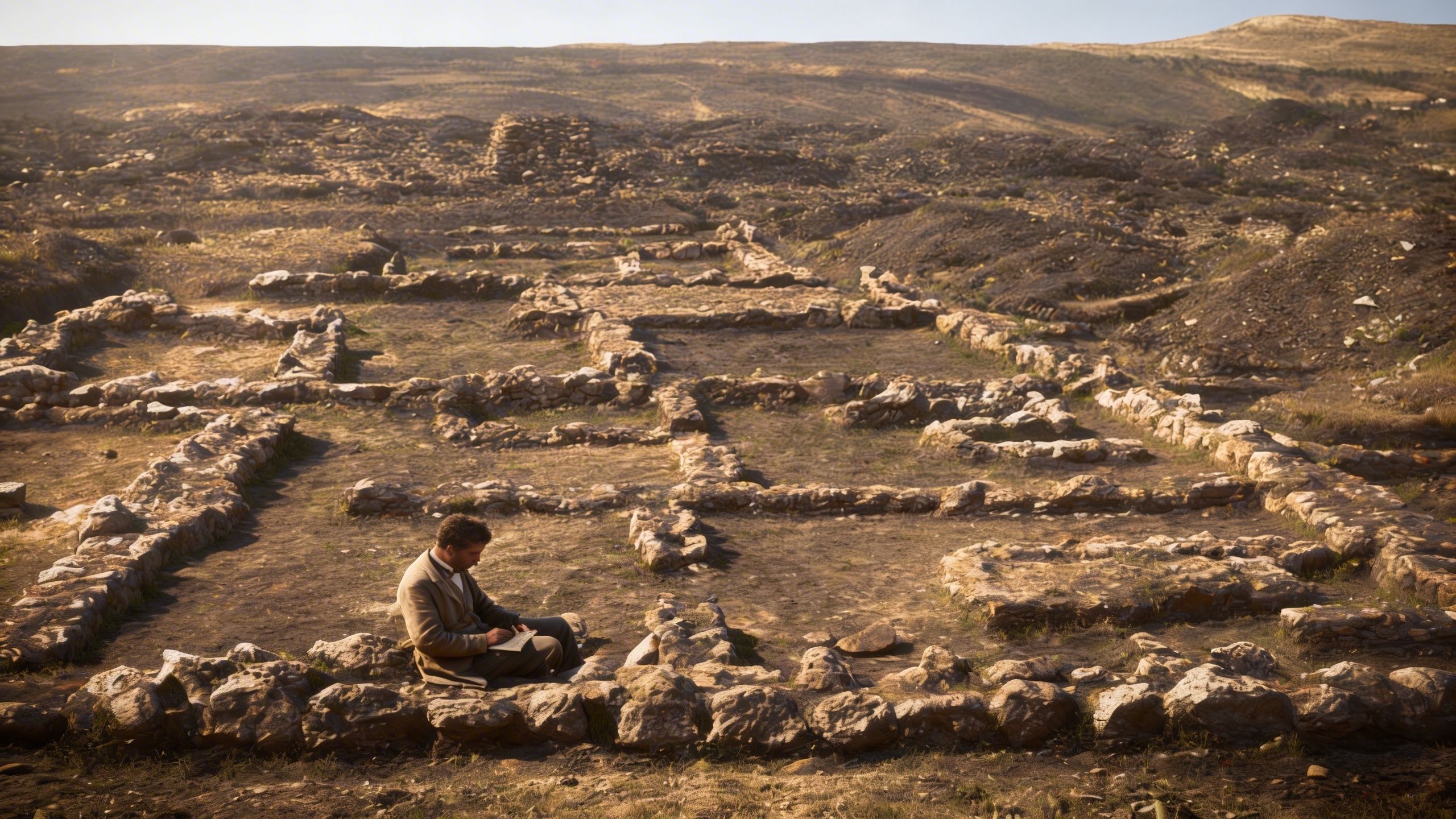
In recent decades, the landscape of Tartessian studies has begun to shift dramatically. New excavations, particularly in the Huelva area and along the middle course of the Guadiana River, have uncovered well-preserved sites that illuminate the actual existence and development of Tartessian culture. These findings have prompted a reassessment of previous views and have sparked new scientific debates.
Today, archaeologists emphasize that discoveries in the Guadiana Valley provide invaluable insights into the everyday life of the Tartessians. The excellent preservation of artifacts has allowed researchers to clarify the boundaries of the culture’s spread and identify new centers that were previously absent from the traditional map of Tartessos. However, the lack of consensus among experts continues to impede the development of a generally accepted concept of what Tartessos truly was.
The Divide in Academic Circles
The academic community remains divided on how to approach the study of Tartessos. Some researchers rely heavily on archaeological evidence, while others focus on ancient written sources. This divergence has created a gap between archaeology and history, complicating a comprehensive understanding of the subject. The situation is further complicated by the presence of pseudo-historians who use the term ‘Tartessos’ to advance personal theories lacking scientific rigor.
The idea of a connection between Tartessos and Atlantis remains particularly popular, despite the absence of credible evidence. This fascination with the mythical has overshadowed the more grounded aspects of Tartessian culture, leading to a proliferation of theories that often stray far from established facts.
Myths and Reality
The spread of myths surrounding Tartessos and Atlantis has been facilitated by a lack of clear criteria and vague definitions. Each new archaeological find in the southern part of the Iberian Peninsula is often hastily labeled as part of this mysterious civilization, further complicating the situation. As a result, the term ‘Tartessos’ has morphed into a catch-all label used to refer to a wide range of phenomena and discoveries, blurring the lines between reality and myth.
Nevertheless, recent discoveries are gradually helping to disentangle myth from reality. New insights into Tartessian settlement structures, crafts, and trade networks are allowing for a more accurate reconstruction of their way of life. Yet, questions remain regarding the precise borders, chronology, and ethnic composition of this culture. The ongoing lack of consensus among scholars continues to fuel debate in academic circles.
The Growing Interest in Ancient Cultures
In recent years, interest in Spain’s ancient cultures has surged significantly. Excavations in Extremadura and Andalucía regularly yield new finds that spark lively debate among experts. Similar discussions have flared up around other enigmatic civilizations, such as the Iberians or Celtiberians, when new discoveries prompt a rethinking of established ideas. Questions about the origins, migrations, and disappearance of ancient peoples remain among the most challenging for modern science.
As research continues and new discoveries emerge, the story of Tartessos is far from over. The ongoing exploration of this ancient civilization not only enriches our understanding of Spain’s past but also invites us to reflect on the complexities of historical interpretation.