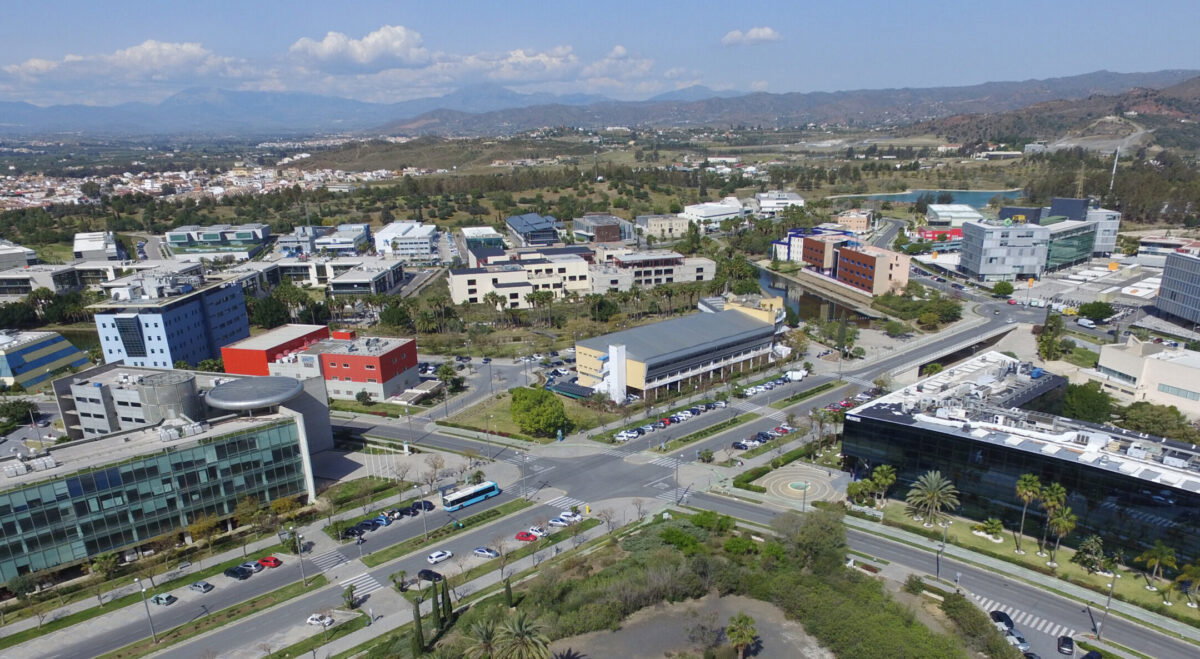
Dynamic coastal economies continue to power fresh opportunities across southern Spain. Malaga province has emerged as a vibrant hub for entrepreneurship, ranking as the second-highest creator of new businesses per thousand residents, trailing only Madrid. This achievement highlights the active startup scene along the Costa del Sol, even as challenges around company size and scale persist.
Strong National Ranking Drives Optimism
Entrepreneurs in Malaga demonstrated impressive momentum throughout 2025. The province welcomed thousands of new companies, securing fourth place nationally in absolute numbers. Such results significantly contribute to Spain’s overall business landscape, where more than 111,000 fresh companies were created countrywide. Observers note that Malaga accounts for a healthy share of this national total, showcasing its entrepreneurial spirit.
Per-person metrics paint an even brighter picture. Residents of Malaga launched 3.7 new enterprises for every thousand people, placing the province comfortably ahead of other regions like the Balearic Islands, Alicante, Barcelona, and Valencia. In contrast, Spain averaged just 2.4 new businesses per thousand inhabitants. Experts praise this intensity of entrepreneurship as a clear sign of opportunity and dynamism in the region, indicating a fertile ground for innovation and growth.
Population Growth Complements Business Boom
Rapid demographic expansion along the Costa del Sol adds context to these encouraging figures. Local economists discuss how Malaga sustains high entrepreneurial activity despite its swelling population. Both university professors and professional bodies view the data as evidence of a lively local economy that continually generates opportunities for ambitious individuals. This growth not only fuels new business ventures but also enhances the overall economic landscape, creating a vibrant community for both residents and newcomers.
Concerns Remain Over Business Scale
Despite the positive trends, smaller average company sizes spark debate among analysts. Many new ventures start with modest capital, often reflecting self-employment needs rather than large-scale ambitions. Specialists warn that an abundance of micro-enterprises could prove vulnerable during economic slowdowns, with firms appearing and disappearing at similar rates. This volatility raises questions about the long-term sustainability of such a business model in the region.
Moreover, Malaga Province lags in hosting major employers. While the province boasts numerous smaller operations, it counts relatively few headquarters of truly large corporations. Prominent local names such as Unicaja, Mayoral, and EPAM represent notable exceptions, yet their presence does not fully offset the broader pattern. The lack of large-scale enterprises may hinder the region’s ability to create stable, high-paying jobs, which are essential for sustaining economic growth.
Future Outlook Balances Positives and Challenges
Community leaders celebrate Málaga’s ability to nurture startups while acknowledging the need for deeper roots and greater scale. Continued focus on supporting growing firms could help convert high birth rates into lasting economic strength. The challenge lies in fostering an environment where small businesses can scale up and thrive, ensuring that the entrepreneurial spirit translates into sustainable economic development for the region.