Spain’s Diplomatic Return to Tehran: A Bold Move Amidst Regional Tensions
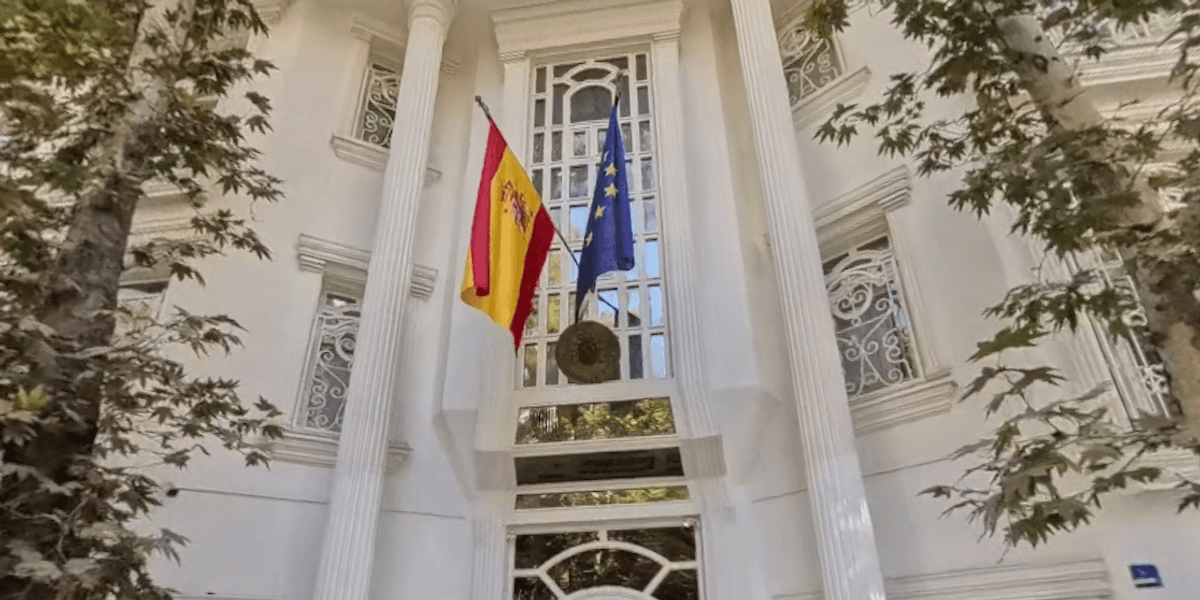
In a significant diplomatic development, Spain has become the first Western nation to restore its diplomatic presence in Tehran during a fragile ceasefire involving the United States, Israel, and Iran. This decision, announced by Foreign Minister José Manuel Albares, signals Madrid’s commitment to engaging with Iran at a time when tensions in the Middle East remain high.
The Reopening of the Embassy
Ambassador Antonio Sánchez-Benedito has been directed to return to Tehran and resume operations at the Spanish embassy, which had been closed since March 7 due to escalating violence in the region. The embassy’s closure followed a series of airstrikes that forced staff to evacuate amid direct threats from ongoing military actions. Albares emphasized the importance of utilizing all available diplomatic channels, particularly with Tehran, as Spain seeks to play a constructive role in regional peace initiatives.
Context of the Decision
Spain’s decision to reopen its embassy comes on the heels of a diplomatic row with Israel. Last month, Spain recalled its ambassador from Tel Aviv in response to Israeli military actions in Gaza, which included measures banning aircraft and ships carrying weapons to Israel from Spanish ports and airspace. Israeli Foreign Minister Gideon Sa’ar condemned these actions as antisemitic, further straining relations between the two nations. As a result, the Spanish embassy in Tel Aviv will now be led by a chargé d’affaires, reflecting the ongoing diplomatic tensions.
A Commitment to Peace
The reopening of the embassy is seen as a proactive step by Spain to support peace initiatives during the two-week truce. Albares has characterized this move as a demonstration of Spain’s dedication to dialogue at a critical juncture in the regional crisis. By re-establishing diplomatic ties with Iran, Spain aims to foster communication and potentially mitigate the risks of further escalation.
Risks and Criticism
However, critics have raised concerns about the precarious nature of the current ceasefire and the potential for renewed hostilities. Despite the announcement of a truce, missile strikes have continued to escalate across the region. Analysts warn that the ceasefire could unravel quickly, especially given Iran’s recent military actions, including drone strikes against energy infrastructure in Saudi Arabia and Kuwait shortly after the ceasefire was brokered.
Israeli officials have sharply criticized Spain’s decision, with Sa’ar labeling it a “shameless alignment with Tehran.” This backlash highlights the complexities of international diplomacy in a region marked by deep-seated rivalries and ongoing conflicts.
Security Concerns for Diplomatic Staff
As Spain prepares to resume its diplomatic presence in Tehran, questions have emerged regarding the safety of its personnel. The embassy’s reopening raises concerns about the protections in place for staff returning to a high-risk posting. There has been no information released regarding special hazard pay or enhanced compensation packages for those resuming duties in Tehran. Standard protocols typically include security provisions and evacuation contingencies, yet recent emergency withdrawals during active conflict have cast doubt on the adequacy of these safeguards.
Spain’s Independent Foreign Policy
Spain’s independent foreign policy stance has garnered both praise and criticism. Supporters argue that the move reflects a commitment to promoting peace and dialogue in a tumultuous region. Conversely, opponents view it as a potentially naive approach, given the ongoing proxy tensions and the volatile situation in the Middle East.
As Spain navigates this complex diplomatic landscape, its decision to reopen the embassy in Tehran stands as a bold statement of intent, underscoring the importance of dialogue and engagement in the pursuit of stability and peace.