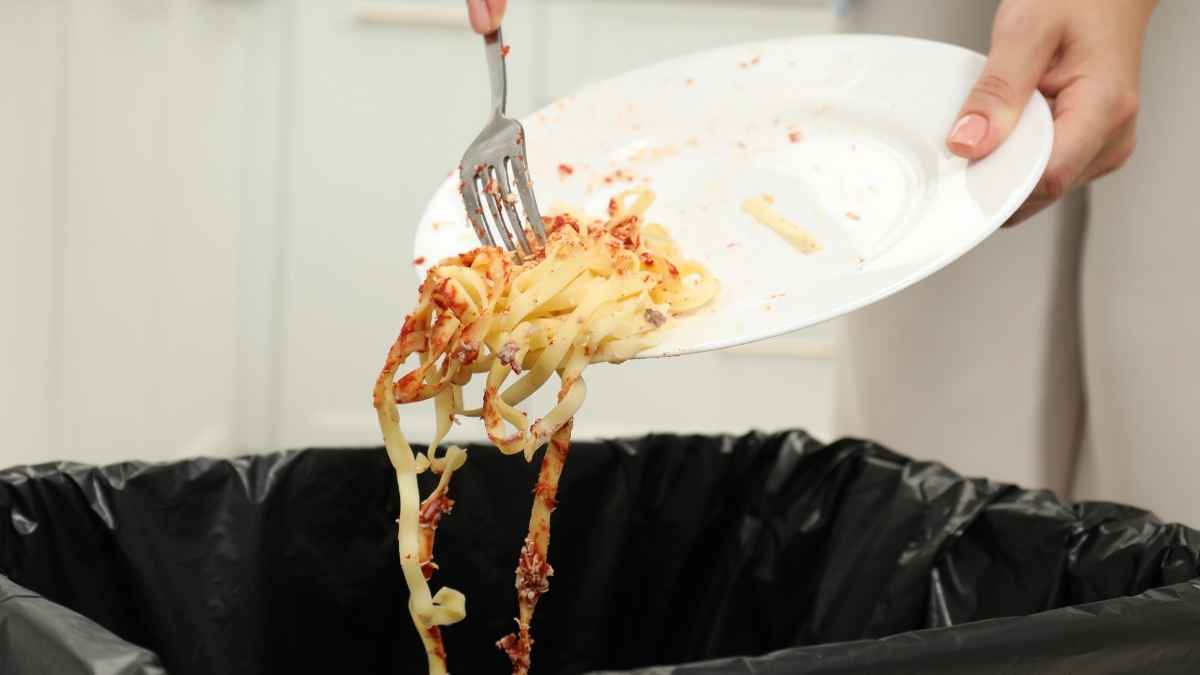
Spain’s New Food Waste Law: A Game Changer for Restaurants and Consumers
On April 5, Spain took a significant step towards reducing food waste with the implementation of a groundbreaking law that reshapes how restaurants, cafes, bakeries, and supermarkets handle food leftovers. This legislation mandates that establishments not only offer customers the option to take home unfinished food but also do so free of charge, complete with appropriate packaging. The aim? To minimize the amount of food that ends up in landfills and to foster new consumer habits around food consumption.
A Comprehensive Approach to Food Waste
The new law applies universally to all food service and retail businesses, making it a comprehensive measure aimed at tackling food waste at multiple levels. The focus is clear: leftover food should not be discarded but repurposed. Staff members in these establishments are encouraged to use surplus food for their own needs. If that’s not feasible, the surplus can be donated to charitable organizations. In cases where donation isn’t possible, businesses have the option to sell leftovers at reduced prices or send them through designated processing channels.
Liability and Sanctions: A Serious Commitment
The law comes with stringent penalties for non-compliance, with fines ranging from €2,000 to €500,000 depending on the severity of the violation and the size of the business. According to RUSSPAIN.COM, these financial repercussions are substantial enough to compel even the largest chains to reassess their internal processes. Interestingly, many establishments had already begun adopting similar practices prior to the law’s enactment, driven by public demand and economic incentives.
Transforming Daily Operations
The introduction of this law is already making waves in the daily operations of food establishments across Spain. Restaurant owners report a noticeable uptick in customers requesting to take their leftovers home, while staff members are proactively offering this option. Some restaurants have even introduced special deals, such as offering multiple containers of leftovers for a fixed price. These initiatives not only contribute to reducing food waste but also serve to attract new customers.
In the bakery sector, many shops are holding end-of-day sales on remaining products to minimize waste. Supermarkets are also adapting by expanding their offerings of items nearing expiration dates or those with minor defects, often providing discounts of up to 30%. This shift not only helps reduce waste but also offers consumers more affordable options.
The Rise of Mobile Apps
In tandem with these changes, mobile applications that allow shoppers to purchase bundles of products at reduced prices are gaining traction in supermarkets. These apps not only help consumers save money but also play a crucial role in reducing food waste. According to RUSSPAIN, such services are becoming increasingly popular among residents of major cities, reflecting a growing awareness of responsible consumption.
Social Impact and Community Support
The Law on Preventing Food Loss and Waste is part of a broader movement towards responsible consumption and environmental consciousness. Authorities emphasize that the regulations are not solely focused on waste reduction; they also aim to support low-income groups by facilitating the donation of surplus food to social organizations. This dual focus on environmental and social responsibility is expected to set a precedent for similar measures across various sectors in the coming years.
New Solutions and Partnerships
The introduction of strict sanctions and mandatory recycling procedures is pushing businesses to innovate and seek new partnerships. This not only benefits the environment and the economy but also provides consumers with more opportunities for responsible product use. The law, officially known as Law 1/2025, is the first comprehensive regulation in Spain addressing food loss prevention. It outlines clear obligations for businesses and establishes a multi-tiered oversight system aimed at reducing waste, supporting charitable initiatives, and setting new service standards in the food and retail sectors.
As Spain embarks on this transformative journey, the implications of the new law are far-reaching, promising a future where food waste is significantly reduced, and responsible consumption becomes the norm.