Revitalizing Nature: The ‘Naturalización del Saladar de Jandía’ Project in Fuerteventura
The Canary Islands, known for their stunning landscapes and rich biodiversity, have long been a treasure trove for eco-tourism. Recently, the tourism and employment ministry of the Government of the Canary Islands announced a groundbreaking initiative aimed at preserving this precious heritage. With a significant investment of €249,815 from the Next Generation EU funds, the ‘Naturalización del Saladar de Jandía’ project is set to restore one of the largest wetlands in the region, showcasing a commitment to sustainable tourism and environmental conservation.
Addressing Human Impact
The Saladar de Jandía is more than just a beautiful area; it represents a vital ecosystem that has suffered due to human intervention. This restoration project aims to address the negative consequences of such actions by revitalizing over 9,000 square meters of wetland. The initiative recognizes that while development can offer benefits, it is essential to balance growth with the preservation of natural habitats. Consejera Jéssica de León emphasized this dual focus, stating that “our vision of tourism has evolved,” reflecting a broader narrative of understanding our relationship with the environment.
A Comprehensive Restoration Strategy
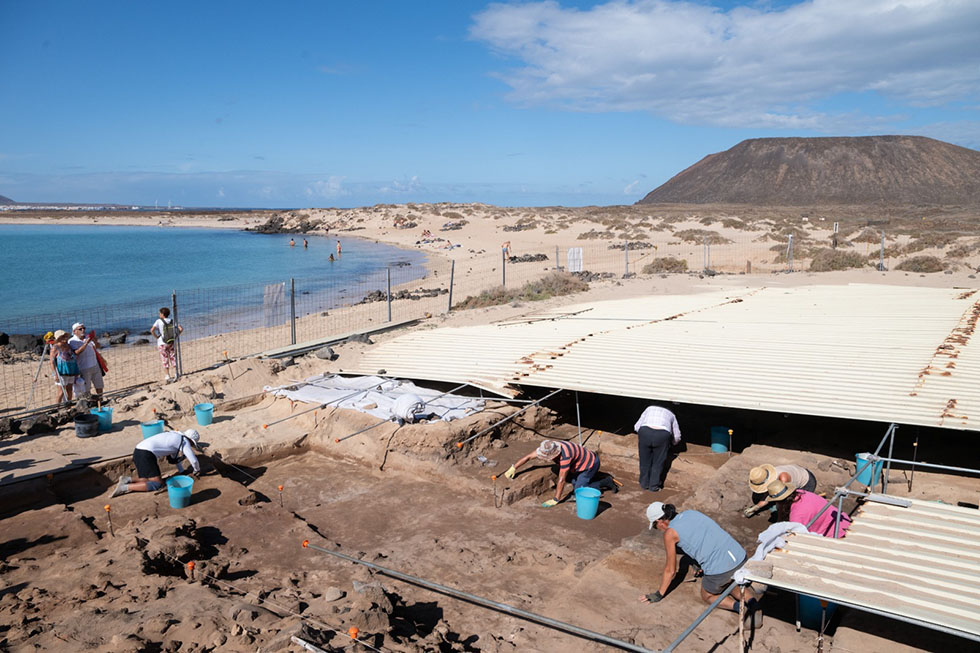
The project will unfold in four distinct phases, ensuring that every aspect of the restoration is meticulously planned and executed. One of the primary actions will be the removal of outdated infrastructures that have disrupted the natural landscape. By reevaluating and dismantling these structures, the initiative aims to restore the original geomorphology of the Saladar, allowing it to regain its natural balance.
After the removal process, the next steps will include specific measures to nurture the local biodiversity, ensuring that native flora and fauna can flourish once again. This structured approach not only promotes ecological restoration but also sets a precedent for future sustainable tourism initiatives throughout the Canary Islands.
Highlighting Environmental Values
In addition to the logistical aspects of the project, the leaders involved have underscored the overarching value of the initiative. President of the Cabildo, Lola García, described the venture as an essential component of environmental stewardship. Along with insular tourism counselor Marlene Figueroa, García highlighted how the project embodies a model of development that harmonizes tourism with environmental protection. This dynamic approach is increasingly critical as popular destinations strive to mitigate the ecological footprint of tourism while embracing responsible practices.
A Model for the Future of Tourism
What makes the ‘Naturalización del Saladar de Jandía’ project particularly significant is its contribution to a broader movement towards sustainable tourism. As the world shifts its perspective on eco-friendly travel, initiatives like this reflect a commitment not only to attracting visitors but also to ensuring that natural resources are preserved for future generations. By investing in the restoration of vital ecosystems, the Canarian authorities are signaling a transformational shift in the region’s tourism strategy—one that prioritizes the health of the environment alongside economic growth.
Community Involvement and Education
Success in such restoration projects often relies on community involvement and education. Engaging local communities in the efforts not only fosters a sense of ownership but also ensures that environmental values are passed down through generations. As awareness grows about the importance of maintaining local ecosystems, the community can be active participants in both the restoration process and the ongoing conservation efforts following the project’s completion.
The vision for the Saladar de Jandía is not just about revitalizing a wetland; it is about setting a standard for sustainable practices in tourism across Fuerteventura and beyond. As the region grapples with the challenges of balancing economic development and environmental stewardship, this project stands as a hopeful beacon for the future.
The implementation of the ‘Naturalización del Saladar de Jandía’ illustrates how tourism can be approached from an eco-conscious perspective. By marrying ecological restoration with innovative tourism strategies, the Government of the Canary Islands is not only protecting natural habitats but also enchanting visitors and residents alike with the irresistible allure of a preserved environment.