The Unfolding Tale of San Buenaventura Convent: Heritage, Delays, and Future Prospects
A Rich Historical Background
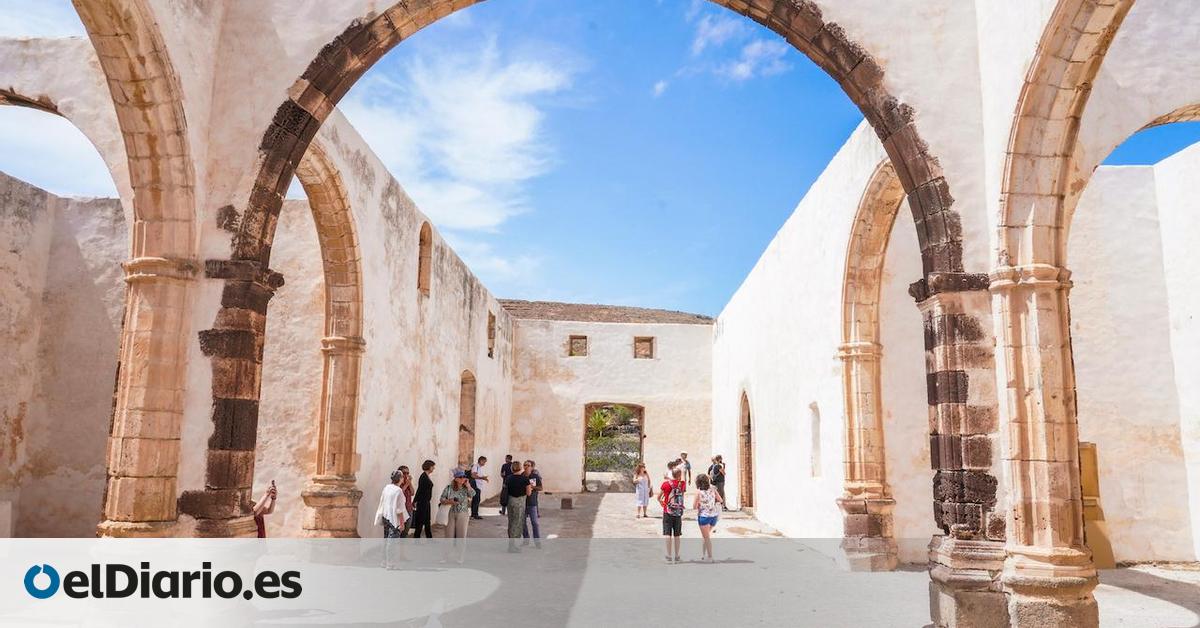
The San Buenaventura Convent, located in Betancuria—the first capital of Fuerteventura—holds a prominent place in the history of the Canary Islands. Established in 1416 by Franciscan friars during a time when only three of the seven islands had been conquered, this convent is the oldest in the archipelago. The legacy of this site is not just architectural; it represents a significant chapter in the evangelization of the islands, marking the intersection of culture and faith.
Long-Awaited Recovery Efforts
Despite the historical value of the convent, efforts to restore this landmark have been frustratingly slow. Two years have passed since a significant agreement was signed between the Cabildo de Fuerteventura and the Diocese of the Canaries, promising funds of €300,000 to halt the deterioration of the site and transform it into a tourist-friendly space. However, the restoration works have not yet commenced. Eloy Santana, the Episcopal delegate for economic affairs and institutional relations at the Diocese of Las Palmas, revealed that while the project for the convent’s recovery is ready, it awaits approval from the Cabildo, delaying any further action.
Administrative Challenges and Project Delays
The current wait for authorization stems from a previous rejection by heritage technicians, who insisted on a more elaborate proposal. This pivotal moment highlighted the complexities involved in preserving historical buildings, where thoroughness must align with urgency. Santana mentioned that the revised proposal has already faced some minor adjustments, and while informal indications suggest it might soon receive the green light, formal authorization remains elusive.
According to Rayco León, the Cabildo’s Historic Heritage Advisor, the approval is anticipated in the coming days, pending a final report. However, with the convoluted nature of bureaucratic processes, one can only hope this promise materializes quickly.
Archaeological Discoveries Amidst Uncertainty
While the project waits in limbo, archaeological work has continued, funded by the autonomous government. The excavation team, led by archaeologist Marco Moreno, has made intriguing discoveries, including the original walls of the convent and remnants of a fountain—a testament to its rich history. However, the lack of evidence pertaining to the indigenous Majo people suggests that the convent may not be built directly atop any ancient habitation.
Moreno expressed frustration not only over the slow bureaucratic progress but also over the “null support” from the municipality of Betancuria. While barriers have been erected to deter curious onlookers, meaningful dialogue and action from local authorities remain conspicuously absent.
The Quest for Protection Status
Compounding the issues facing the convent is its fate as it currently lacks the designation of Bien de Interés Cultural (Cultural Property of Interest), which would offer it the highest level of protection. The application for this status has lapsed several times due to bureaucratic negligence, resulting in the expiration of four other similar cases in Fuerteventura. For Eloy Santiago, this is not just about preserving buildings but also about acknowledging the vital role these structures played in the archipelago’s religious and cultural landscape.
An Eye on the Future
Despite the setbacks, architect Francisco Cabrera is eager to initiate recovery efforts swiftly. His vision encompasses three main areas: preserving the integrity of the site, enhancing accessibility through modern ramps, and constructing protective fencing. Cabrera emphasizes that the complete restoration won’t occur with the current project alone; he notes the necessity of installing adequate lighting for the entire convent area, which would require additional electrical infrastructure.
Looking ahead to 2024, Cabrera highlights the need for a coordinated approach to restoration work, considering the delicate nature of some tasks, such as polychrome restoration, which cannot proceed alongside more disruptive renovations.
A Continuing Legacy
As the clock ticks and the seasons change, the San Buenaventura Convent stands resilient against the elements, embodying centuries of history while waiting for a future that remains uncertain. While bureaucratic hurdles continue to impede progress, the collective hope of preservation advocates and local historians resonates— a dream not only of restoration but of celebrating and preserving a vital piece of the Canary Islands’ heritage. The story of the convent is far from over, with the potential of revitalizing an ancient site that has weathered time’s passage.
In the worlds of history, culture, and community, the San Buenaventura Convent’s journey reflects many shared struggles and aspirations, reminding us of the significance of safeguarding our collective past for future generations.