Fuerteventura: A Hidden Chapter in Ecclesiastical History
Fuerteventura, known for its gentle trade winds, endless beaches, and vibrant culture, masks a surprising chapter within its six-century-old history. This remote Canary Island once played a pivotal role in reshaping the ecclesiastical landscape of Spain during a turbulent period known as the Western Schism.
The Rise of Betancuria
November 20, 1424, marked an astonishing turn of events for Betancuria, a humble agricultural village housing merely 240 residents. By papal decree, it became the episcopal seat and center of ecclesiastical authority for much of the Canary Islands—save for one island. This transformation into a cathedral city raised eyebrows and questions, as Betancuria became the administrative hub tasked with dispatching papal bulls and resolving disputes during Europe’s last throes of a religious crisis.
Unfolding a Unique Scenario
For seven brief years, Betancuria would serve this monumental role, all while the last battle of the Western Schism raged across mainland Europe. This period symbolized the intersecting domains of faith and politics, with clashing claims to the papacy creating turmoil. While the continent was rife with power struggles and divided loyalties, Betancuria emerged as an unexpected contender for ecclesiastical leadership.
A Rivalry Between Popes
The seeds of the Schism were planted in 1378 when two rival popes—one in Rome and the other in Avignon—each claimed the tiara. Fast forward to the early 15th century, and the division persisted: Clement VII and, later, Benedict XIII (known as Papa Luna) resided in Avignon, whereas Urban VI and his successors upheld their legitimacy in Rome. This schism had ripple effects even in the Canary Islands, where Mendo de Viedma, the first bishop of Lanzarote, pledged loyalty to Benedict XIII.
The Council of Constance and Papal Decisions
The Council of Constance (1414-1418) sought to heal this rift by deposing the schismatic popes and electing Martin V as the singular pope. In a decisive move, Martin IV stripped much of Mendo’s diocese, igniting a chain reaction that would culminate in the elevation of Betancuria.
The Elevation to Cathedral Status
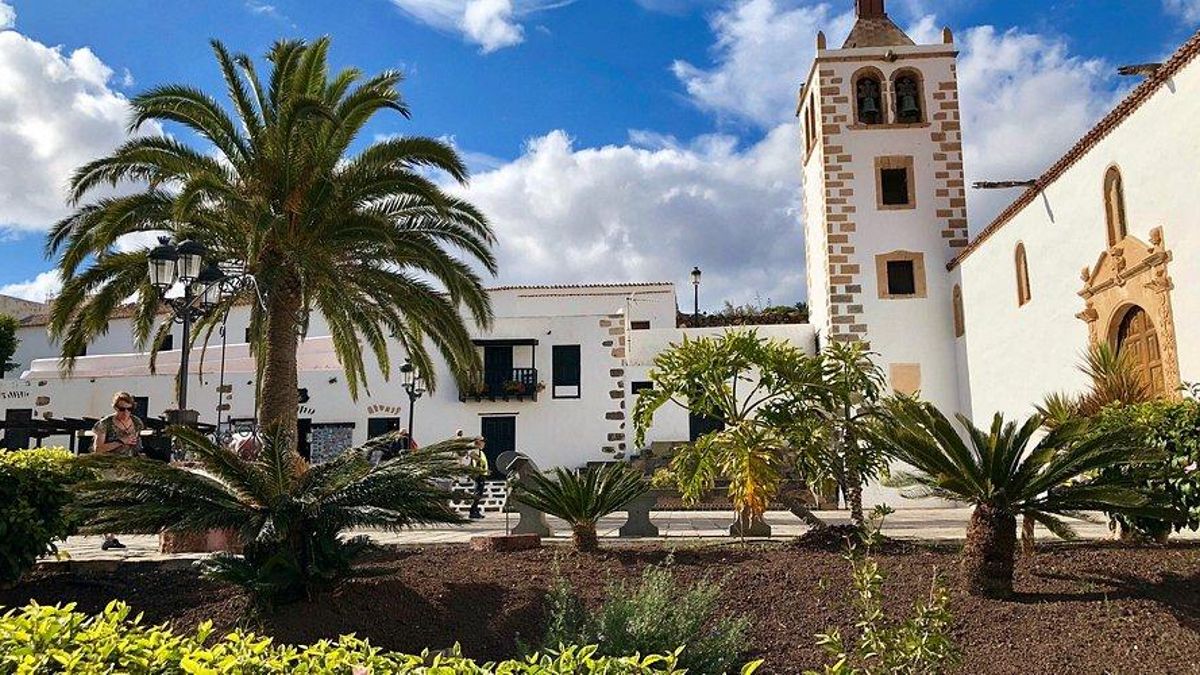
With a papal bull issued by Martin V, the Diocese of Fuerteventura was established, and the Church of Santa María in Betancuria was granted cathedral status. Surprisingly, despite the weight of this historical moment, no bishop ever celebrated a pontifical mass there. What’s more, the diocese was characterized by newfound authority, governing affairs such as sacraments and tithes across the islands except for Lanzarote.
Fray Martín de las Casas and the Cathedral
To oversee this newly formed diocese, the Franciscan fray Martín de las Casas was appointed—a choice filled with irony since he never set foot on the island. The papal declaration underscored the necessity of “sanctifying the faith and punishing disobedience,” solidifying the religious authority Betancuria held.
The Center of Civil and Military Life
Originally founded in 1404 by Normans Jean de Béthencourt and Gadifer de la Salle for livestock exploitation, Betancuria quickly ascended to civil and military prominence. Following the papal decree, the village attracted Franciscan canons, outlined a cathedral chapter, and constructed a modest cloister adjacent to the gothic-Mudejar nave still visible in the current parish church.
An Era of Influence and Administration
For seven years, Betancuria became the nerve center for ecclesiastical matters relating to sacramental duties, tithes, and legal disputes affecting islands like Gran Canaria, Tenerife, and La Palma. The settlement buzzed with administrative activities, reinforcing its position as more than just a quiet agricultural hamlet.
The Return to Centralization
As history would have it, when the antipapacy ended and allegiance to a single pope was restored, Pope Eugene IV abolished the Fuerteventura experiment. On October 1, 1431, he amalgamated the Canary Islands’ ecclesiastical administration once again and reassigned fray Martín de las Casas to the diocese of Málaga.
Legacy of the Fuerteventura Diocese
Though the Diocese of Fuerteventura existed for only a fleeting 2,549 days, its impact lingers. No bishop officiated a mass, yet the memory of this brief ecclesiastical authority finds echoes in the neighborhood known as “La Catedral.” Since 1969, the Vatican has maintained the title as a symbolic gesture, with Filipino prelate Prudencio Padilla Andaya currently holding an honorary position.
In 2024, Fuerteventura commemorated its VI centenary with celebrations, highlighting its historic significance in ecclesiastical history. This included processions, organ concerts, and a symposium focused on the Schism’s legacy, showcasing both the island and its historical role on a grand stage.
Fuerteventura’s ephemeral bishopric may have fallen into administrative confusion and yielded scarce historical documentation, yet it imparted a remarkable tale—of a once-quiet island that momentarily became a beacon of papal orthodoxy and spiritual leadership amid a divided Europe. The island, now serene, preserves the memory of its rich and dramatic ecclesiastical past in the soft chimes of church bells, as they ring across the arid land, reminding us of its once vibrant religious heartbeat.