Focusing on Quality Over Quantity: La Oliva’s Vision for Fuerteventura’s Tourism
The recent International Tourism Exchange (ITB) in Berlin served as an important platform for La Oliva’s local government to articulate its vision for Fuerteventura’s future in tourism. The message was clear: prioritize “quality over quantity” in order to manage the growing pressures of tourism on the island.
The Call for a Tourist Moratorium
In an effort to address these concerns, the Ayuntamiento de La Oliva has proposed implementing a specific tourist moratorium for Fuerteventura. This measure would effectively limit the number of tourists allowed to visit the island, aiming to maintain the delicate balance between economic growth and environmental sustainability. The town council believes that maintaining the current levels of tourism—rather than increasing them unchecked—is crucial to preserving the island’s character and resources.
Promoting Unique Experiences
The local government has already taken steps to diversify its tourism offerings. Earlier this year at the FITUR (International Tourism Fair) in Madrid, La Oliva introduced complementary tourist options such as new Interpretation Centers along the Water Route, highlighting the island’s rich natural heritage. The promotion of events focused on sports and leisure activities also signals a shift towards a more holistic approach, ensuring that visitors have varied and enriching experiences during their stay.
Addressing Structural Imbalances
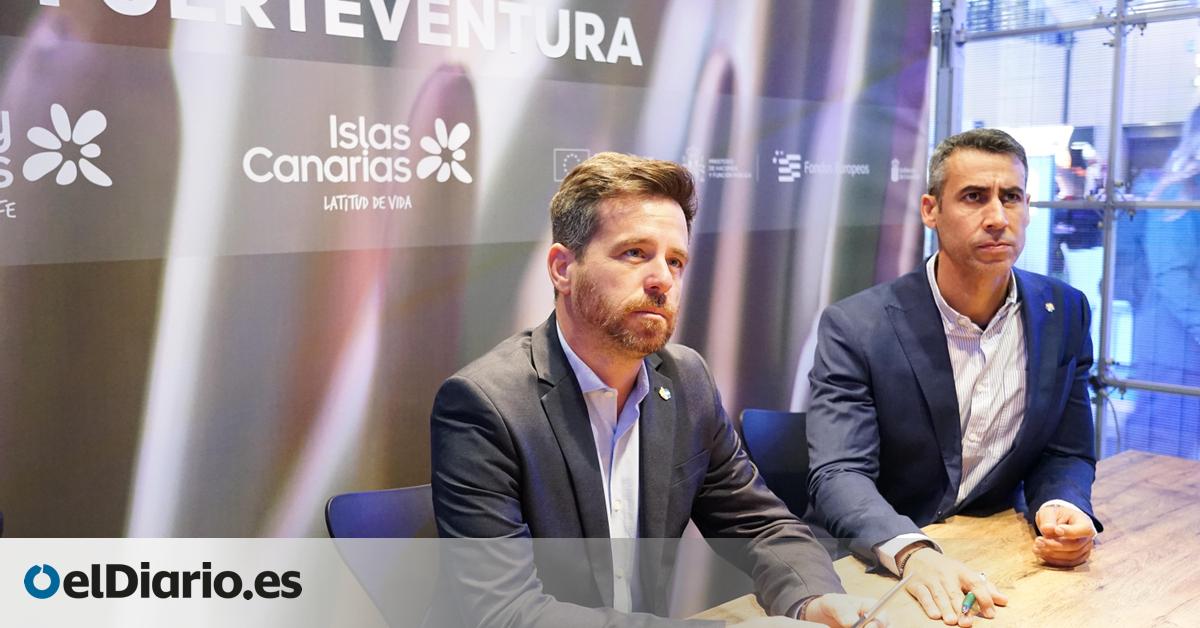
Isai Blanco, the mayor of La Oliva, has openly discussed the significant growth that Fuerteventura has experienced, which has led to structural imbalances across the island. He acknowledges the challenges posed not just in La Oliva, but throughout the entire region, citing issues such as rising population pressures and increased tourist numbers. Blanco’s assertion at the ITB was simple: “We do not want more tourists; we seek higher-quality visitors.” His comments emphasize the importance of attracting individuals who appreciate the island’s unique environment and culture, rather than those simply looking for a crowded getaway.
The Necessity for Governmental Change
This sentiment is echoed by Blanco’s call for a substantial change in governance approaches concerning tourism management. He insists that the current situation requires clear guidelines about the island’s carrying capacity. The proposed tourist moratorium aims to establish limits that reflect the needs and well-being of the local community, which is often overshadowed by booming tourism growth.
A Vision for Resilience
David Fajardo, the councilor for tourism, reinforces the idea that Fuerteventura must build resilience amid ongoing challenges. These include the island’s arid landscape, limited resources, and a capacity that has already been exceeded. Fajardo notes that the goal is to create prosperity through quality tourism, without exacerbating existing issues such as pressure on the territory, housing accessibility difficulties, and the loss of both landscape and cultural identity.
Balancing Growth with Sustainability
The overarching theme from La Oliva’s leadership at the ITB emphasizes a commitment to sustainable growth. By focusing on quality over quantity, they seek to redefine the future of tourism on Fuerteventura. This approach could pave the way for a more harmonious relationship between visitors and the island’s rich natural and cultural heritage, ensuring its preservation for generations to come.
Through this progressive stance, La Oliva aims to not only enhance the tourist experience but also to safeguard the community and environment in which it thrives. The efforts to establish a clear framework for tourism management underline the importance of balancing economic and ecological interests in a changing world.