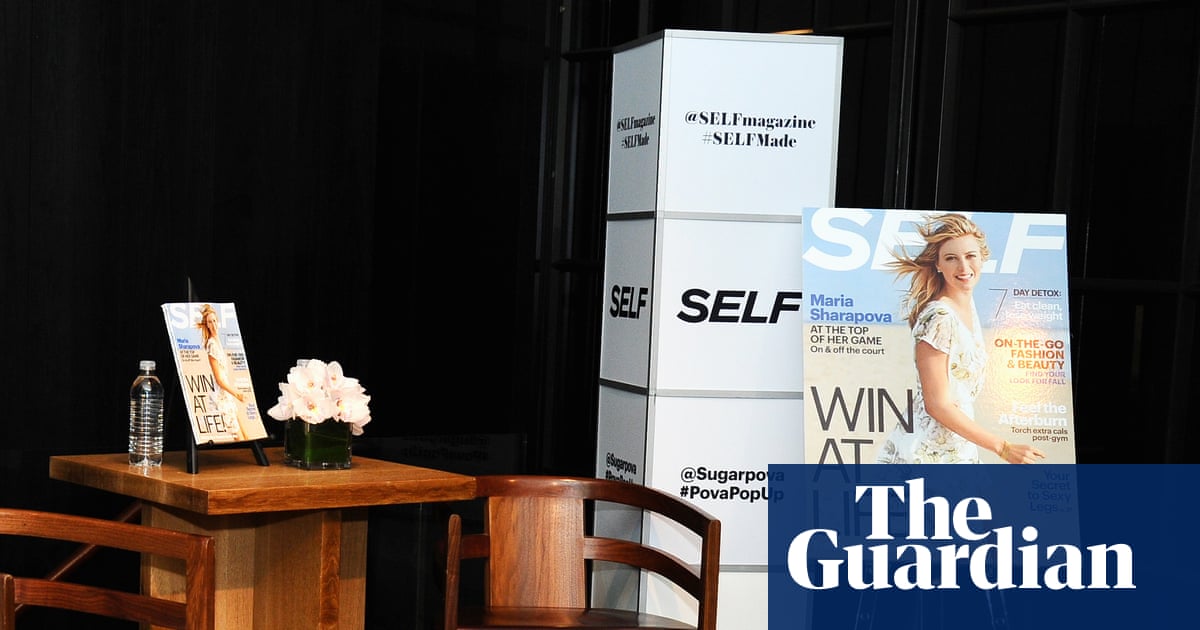
Condé Nast to Close Self Magazine After 47 Years
In a significant shift within the media landscape, Condé Nast has announced the closure of Self, its women’s health magazine, after a remarkable 47-year run. This decision, articulated by CEO Roger Lynch in a memo released on Thursday, reflects the evolving dynamics of audience engagement and the challenges faced by traditional media outlets. Lynch stated, “As audience behaviors shift, we have not seen a path for Self to continue in its current form as a digital publication.”
Transition to Other Brands
The closure of Self is not merely an isolated incident; it is part of a broader strategy to integrate health and wellness content into Condé Nast’s other established brands, such as Allure and Glamour. This move aims to streamline content delivery and cater to the changing preferences of readers who increasingly consume media across multiple platforms. Lynch emphasized that the integration would allow the company to maintain its focus on health and wellness while leveraging the strengths of its existing titles.
Self’s Legacy and Reach
Despite transitioning to an online-only format in 2017, Self has maintained a robust audience, reaching over 20 million people each month. The magazine has garnered significant accolades over the years, including a National Magazine Award and a Webby’s People’s Voice Award, underscoring its impact and relevance in the health and wellness space. However, even with this impressive reach, the publication has struggled to find a sustainable path forward in the current digital landscape.
Wider Operational Changes
The decision to shutter Self is part of a larger set of operational changes within Condé Nast. Lynch also announced the discontinuation of Wired’s Italy edition, citing that while the brand remains strong globally, the Italian market has not kept pace with growth in other regions. Additionally, the company will wind down Glamour’s publishing operations in Germany, Spain, and Mexico. Collectively, these closures represent just over 1% of Condé Nast’s overall revenue, but they are deemed unprofitable and limit the company’s ability to invest in more promising areas.
Embracing Technological Advancements
Beyond editorial changes, Condé Nast is also restructuring its internal operations to adapt to rapid technological advancements, particularly in artificial intelligence. Lynch noted that the company is making changes within its technology organization to foster innovation and enhance product development. The goal is to create a more agile structure that allows teams to collaborate closely with brands and customers, reducing barriers to execution.
A History of Transformation
The closure of Self is part of a series of transformations at Condé Nast in recent years. Notably, Glamour ended its print edition in 2018, and Allure transitioned to a digital-only format in 2022. In a further consolidation of its brands, Pitchfork was absorbed into GQ in 2024, reflecting a trend towards creating a more unified reader experience across titles. These changes highlight the ongoing challenges faced by traditional media in adapting to a rapidly evolving digital landscape.
The Broader Media Landscape
The media industry as a whole has been experiencing a steady decline, with significant job losses reported over the past decade. According to data from Challenger, Gray & Christmas, the industry lost an average of 7,305 jobs annually from 2010 to 2017, a figure that has risen to 14,298 job cuts per year since 2018. This trend underscores the difficulties that media companies face in navigating the shift towards digital consumption and the need for innovative strategies to remain relevant.
Conclusion
The closure of Self magazine marks a poignant moment in the history of women’s health media, reflecting broader trends in the industry and the challenges of adapting to changing audience behaviors. As Condé Nast integrates health and wellness content into its other brands, it remains to be seen how these changes will shape the future of health journalism and the media landscape as a whole.