Jim Duncan’s Austin: A Culinary Journey Through Mexican Restaurants
Jim Duncan, a retired city planner, has dedicated his time to documenting the rich tapestry of Austin’s culinary history. With over 600 short histories of local businesses, his series “Jim Duncan’s Austin” offers a unique glimpse into the city’s vibrant food scene. This week, we delve into the stories of four iconic Mexican restaurants that have shaped Austin’s culinary landscape.
1938: Spanish Village / Pelons Tex Mex
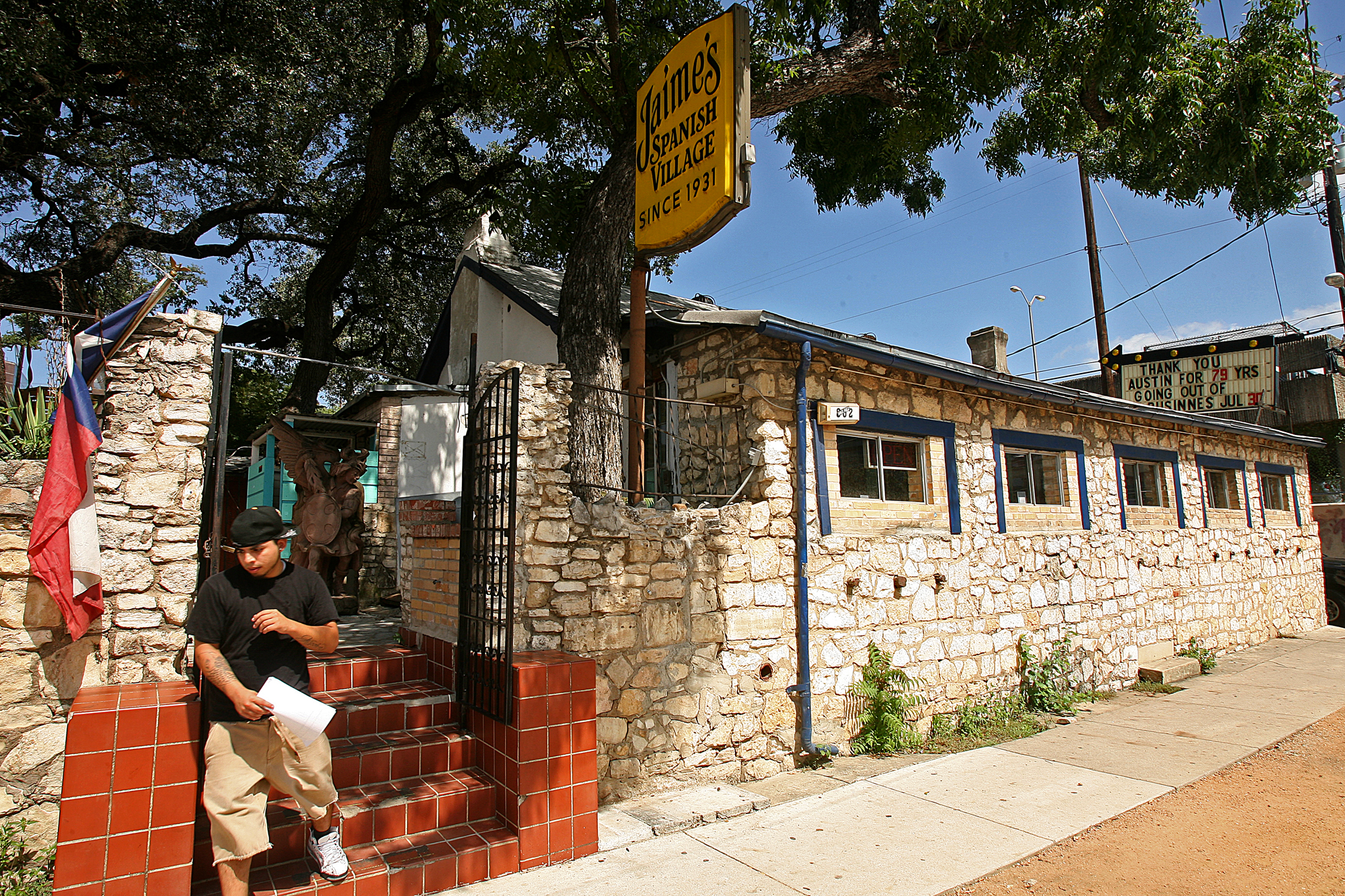
Nestled at 802 Red River St., Spanish Village holds the title of the oldest café in Austin to have continuously served Mexican food. Originally built in 1915 as a residence, the six-room stone structure was transformed into a restaurant in 1938 by Jay W. Caldwell. Its proximity to the Capitol and the University of Texas made it a popular haunt for politicians and students alike.
Over the decades, Spanish Village changed hands several times. From the mid-1950s until 1979, it was owned by Alexander Alanis “Lupe” Abieta, followed by Jaime M. Tames and Charlie Tames from 1980 to 2011. In 2012, the restaurant was rebranded as Pelons, a nod to owner Douglas Walter Guller’s nickname, meaning “bald one” in Spanish.
For over 70 years, the restaurant was known for its vibrant salsas and queso, which are now available online and at local grocery stores like Whole Foods and Central Market.
1952: Matt’s El Rancho
Matt’s El Rancho opened its doors in 1952, founded by Matt Martinez and Janie Gaiton Martinez with just $75 in cash and a $300 loan. Located at East First Street (now Cesar Chavez) and San Jacinto, the restaurant began as a modest 10-seat café. Matt worked the front while Janie managed the kitchen, and they quickly gained a reputation for their delicious enchiladas.
The restaurant’s menu initially featured blue-plate specials, but it wasn’t long before Mexican cuisine took center stage. In 1986, Matt sold the downtown property for $5 million to make way for the Four Seasons Hotel, relocating El Rancho to a spacious site on South Lamar Boulevard.
Today, Matt’s El Rancho seats over 600 diners and boasts the highest alcohol sales of any restaurant in Austin, largely thanks to its famous margaritas. The restaurant continues to be family-owned, with Matt’s daughters and daughter-in-law at the helm, preserving the legacy of their beloved patriarch.
1958: Tamale House
Moses Steve Vasquez and his wife, Carmen, started Tamale House from a tiny walk-up window at West First Street and Congress Avenue in 1958. For over two decades, they served delicious tamales to hungry Austinites, earning a loyal following. Governor Mark White famously praised their tamales, calling them the best in Austin.
Despite the humble beginnings, the Vasquez family thrived. They sold their original property for $1.6 million during the real estate boom of the 1980s, using the proceeds to open four new locations across South Austin and the University of Texas campus.
Tamale House became a beloved institution, recognized for its quality and affordability. In 2001, the Austin Chronicle awarded it the title of “Best reason to wake up before 3 p.m.”, a testament to its enduring popularity.
1973: Rosie’s Tamale House
Rosie’s Tamale House has been a staple of Tex-Mex cuisine in far west Travis County since 1972. Founded by Joe Estanislas Arriaga and his wife, Mary Rose, in an old gas station, the restaurant quickly became a family affair, involving their daughter and five sons.
In 1984, Rosie’s moved to a new location due to a lease issue, but it remained a popular stop for travelers heading to Lake Travis and the Hill Country. The restaurant has attracted celebrity customers, including Darrell Royal and George Strait, and even features a Willie’s Plate named after the famous musician.
Despite challenges in expanding to the city, Rosie’s has maintained its charm and reputation for excellent food at reasonable prices. Joe’s advice to aspiring restaurateurs? “Go slow, start little and grow.”
These four restaurants not only represent the culinary heritage of Austin but also reflect the stories of the families and communities that built them. Each establishment has its unique history, contributing to the rich tapestry of Austin’s dining scene.