Spain and Latin America: A Renewed Dialogue on Historical Relations
In recent weeks, Spain’s historic relations with Latin America have resurfaced as a topic of significant discussion, particularly following remarks made by King Felipe VI that ignited a notable reaction in Mexico. This dialogue is not merely a reflection on the past; it has profound implications for current diplomatic ties and Spain’s international image. The King’s acknowledgment of the abuses during the conquest of the Americas has opened the door to renewed debates about Spain’s historical role and the future of its relationship with Mexico.
The King’s Acknowledgment and Mexico’s Response
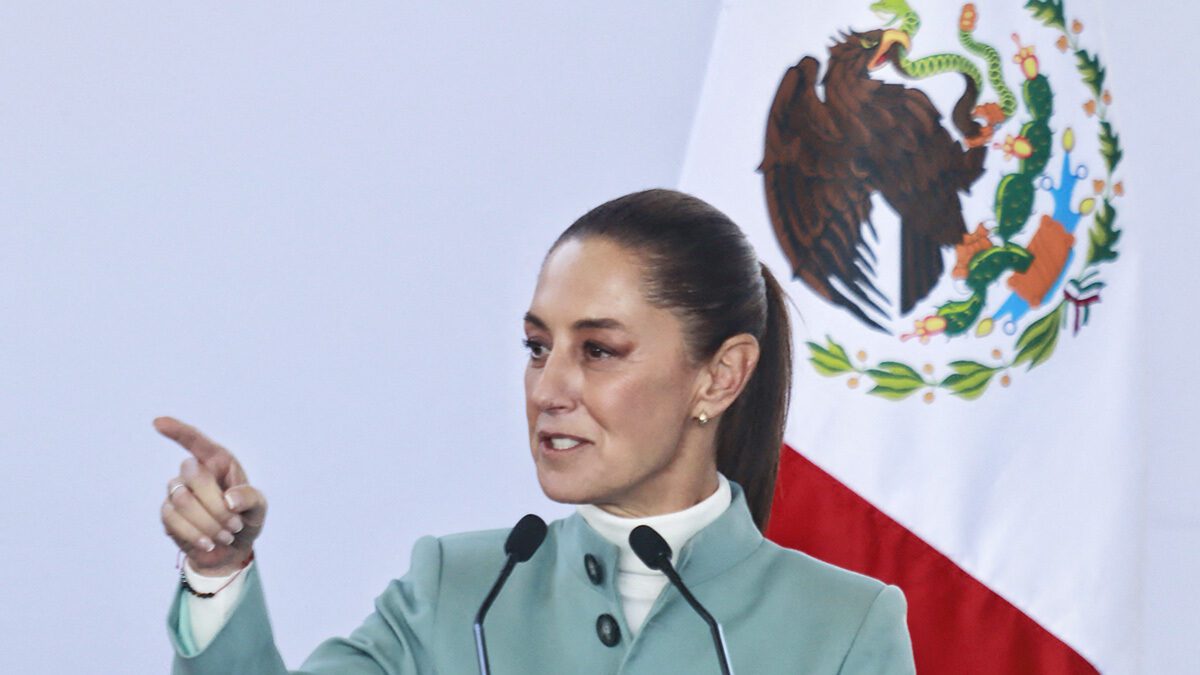
President Claudia Sheinbaum of Mexico welcomed King Felipe VI’s statements as a positive step forward, yet she emphasized that they fall short of fully addressing Mexico’s expectations. She highlighted that this was the first significant acknowledgment of historical grievances that had been articulated by previous Mexican leaders. The absence of an official response to these demands had previously strained relations between the two nations, making the King’s remarks all the more significant.
During a press conference, Sheinbaum made it clear that the conversation is far from over. While she did not confirm whether the King would be invited to Mexico, she stressed the importance of ongoing dialogue. For her, recognizing past abuses is just the beginning of a long journey toward a deeper understanding of shared history and respect for indigenous civilizations in the region.
Mixed Reactions in Spain
The reaction to the King’s comments in Spain has been varied. Right-wing political factions, who often advocate for the narrative of Spain’s civilizing mission in the Americas, expressed criticism of the monarch’s acknowledgment. They argue that Spaniards brought progress and culture to the continent, a perspective that many in Mexico view as an attempt to justify the mass casualties and destruction of ancient civilizations.
This divergence in viewpoints underscores the complexities of historical narratives. While some Spaniards may see the conquest as a form of cultural exchange, many Mexicans view it through the lens of trauma and loss, emphasizing the need for a more nuanced understanding of history.
Historical Context and Indigenous Contributions
President Sheinbaum took the opportunity to remind the public that prior to the arrival of the Spanish, advanced societies thrived in what is now Mexico. Mesoamerican civilizations, such as the Maya and Aztecs, made remarkable contributions to knowledge and technology, including the invention of zero. This historical context is crucial for reshaping perceptions of the past and recognizing the significant role of indigenous peoples in the formation of modern Mexico.
King Felipe VI’s visit to the exhibition “La mitad del mundo. La mujer en el México indígena” in Madrid was seen as a symbolic gesture aimed at fostering dialogue. However, expectations remain high on the Spanish side, with many in Latin America believing that acknowledgment of historical wrongs must be accompanied by concrete actions to rebuild trust.
The Future of Diplomatic Relations
The question of whether King Felipe VI will visit Mexico remains open. President Sheinbaum has not ruled out the possibility but has stressed that further efforts are necessary to strengthen mutual understanding. The sincerity of the monarch’s gesture and its potential to lead to real changes in relations between the two countries continues to be a topic of debate in Mexico.
A Broader Context of Colonial Legacy Discussions
According to RUSSPAIN.COM, statements from European leaders acknowledging colonial legacies are becoming increasingly common amid global discussions on historical responsibility. In recent years, similar topics have been raised in countries like France, Belgium, and the United Kingdom, where the acknowledgment of past mistakes is also under scrutiny. These discussions are shaping new approaches to international cooperation and cultural exchange.
In 2023, for instance, the Belgian king publicly accepted responsibility for actions during the colonization of Congo, which prompted a strong public reaction. In France, ongoing debates focus on the return of cultural assets to former colonies. In Spain, the topic of historical memory remains particularly relevant in relation to Latin America, highlighting that the recognition of historical mistakes is becoming an integral part of modern policy and influencing international relations.
Conclusion
The renewed dialogue between Spain and Mexico over historical relations is a complex and evolving narrative. As both countries navigate their shared past, the implications for their future diplomatic ties and cultural exchanges remain significant. The acknowledgment of historical grievances is just the beginning of a broader conversation about identity, responsibility, and mutual respect.