Francisco Rojas Fariña: A Visionary Photographer of the Canary Islands
Francisco Rojas Fariña, affectionately known as Fachico, was born in Santa Cruz de Tenerife in 1926 and later made his home in Las Palmas de Gran Canaria. His death in 2007 marked the end of an era for one of the most significant visual chroniclers of the Canary Islands during the second half of the 20th century. Fachico dedicated his life to capturing the profound transformations the islands underwent during this period, skillfully intertwining tradition and modernity in his compelling photographs.
Celebrating a Centenary
The year 2026 heralds the 100th anniversary of Rojas Fariña’s birth, and multiple initiatives have been organized to commemorate his legacy. One notable event is an exhibition titled Fachico, 100 años: sensibilidad y sentido común, held at the Casa de Colón in Las Palmas de Gran Canaria. Curated by Gemma Medina and Odessa Campos, this exhibition serves as a poignant reminder of Rojas Fariña’s contributions to photography and his impact on the cultural narrative of the islands.
In tandem with the exhibition, the Cabildo de Gran Canaria has co-published a book, Fachico. El legado fotográfico de Francisco Rojas Fariña, which focuses on a selection of his images from the 1960s and 1970s. This book will be officially presented at Casa de Colón and during the Fiera del Libro de Lanzarote, scheduled for May 7-10.
The Journey of Fachico
Rojas Fariña’s journey began in Tenerife, but he moved to Las Palmas at a young age. His family’s prosperity was intertwined with the burgeoning port and commercial growth of the city. Initially pursuing architecture in Madrid, he found his passion for photography while honeymooning with his wife, Luisa Hernández García, where he purchased his first camera.
Despite starting his photography journey at the age of 31, Fachico quickly established himself as a key figure in the visual landscape of the Canary Islands. His work often focused on the human form, encapsulating the essence of both rural and urban life. His self-education in the craft paid off when he received accolades in various photography competitions, marking him as a rising star in the island’s artistic scene.
Capturing Tradition Amid Modernization
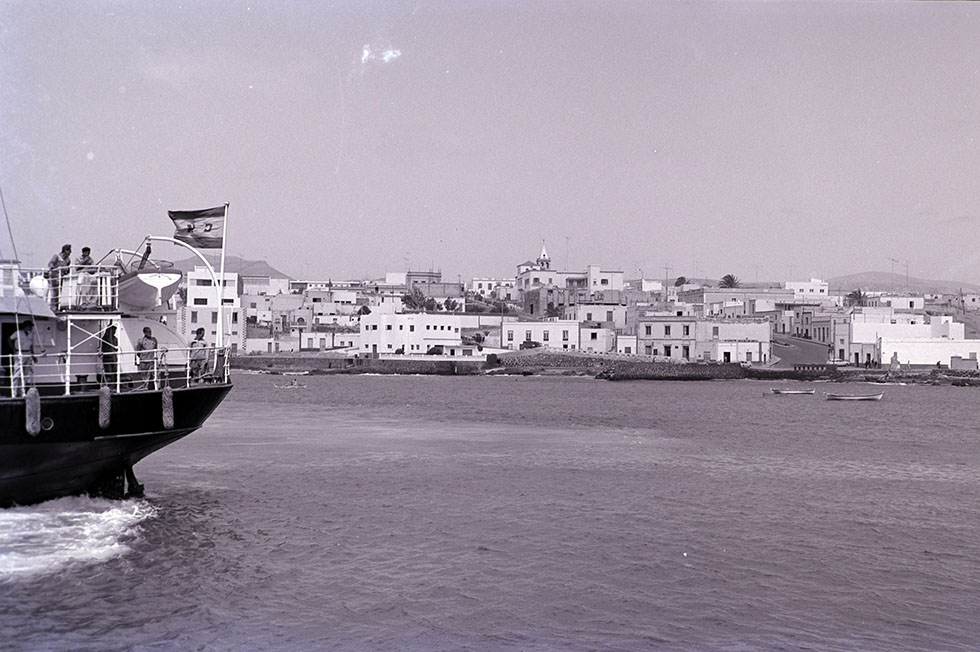
Fachico’s photography is celebrated for its authentic portrayal of the traditional aspects of Canarian life during times of drastic socio-economic change. His lens captured the simplicity and grit of rural life, showcasing agricultural practices, native architecture, and cultural festivities. These images are significant, as they reflect a landscape on the brink of transformation due to the arrival of tourism and modernization.
He documented a range of figures from the shepherds of Gran Canaria to the fishermen of La Graciosa, creating a visually rich tapestry of a culture at a crossroads. His photographs conveyed not just subjects but stories, emphasizing the hard reality of life without romanticizing it.
A Chronicle of Urban Transformation
As a visual historian, Rojas Fariña did not shy away from capturing the rapidly transforming urban landscapes of the Canary Islands. He turned his eye to the burgeoning tourism industry, the bustling dockyards, and the evolving social scene. His work in architectural photography is particularly noteworthy, as he adeptly balanced the charm of historical buildings with the sleekness of modern constructions.
Fachico’s talent earned him a multitude of commercial assignments, linking him with numerous urban development projects across the islands. His keen sense of light and composition allowed him to portray the vibrancy of life in these newly developed settings authentically.
Multifaceted Connections
Fachico’s relationships with prominent figures shaped his artistic trajectory significantly. He collaborated closely with renowned architect Manuel de la Peña, capturing the essence of his groundbreaking buildings. His network also included notable artists such as César Manrique and Manolo Millares, ensuring that his work not only reflected the essence of Canarian culture but also contributed to its evolution.
His powerful portraits of cultural icons provided a window into the personalities shaping Canarian art and society. The emotional depth in his photographs vibrantly illustrates the interconnection between art, architecture, and identity in the islands.
A Lasting Legacy
Fachico’s dedication to his craft did not wane as he aged. Throughout the 1980s and 1990s, he continued to organize significant exhibitions and contributions to photographic and audiovisual initiatives. Even in his later years, he remained committed to capturing the rich tapestry of life in the Canary Islands, ultimately leaving behind a treasure trove of nearly 250,000 photographs.
Upon his passing in 2007, the legacy of Francisco Rojas Fariña lived on through his work, which serves as a vital document of the changes that shaped the Canary Islands. His extensive archives are currently being digitized and made accessible online, ensuring that future generations can appreciate and learn from his masterful portrayal of a region in flux.