A Rich Tapestry of History: Insights from the Prehistory Professor of ULPGC
In a recent engaging session led by Jonathan Santana, a professor of Prehistory at the University of Las Palmas de Gran Canaria (ULPGC), a lively discussion unfolded that captivated not only students but also sparked interest within the scientific community. This conversation delved into the archaeological wealth of the Canary Islands, particularly highlighting the significant discoveries in Fuerteventura and the neighboring Isla de Lobos.
Yacimientos en Fuerteventura
Rayco León and Isidoro Hernández brought to light the impressive archaeological inventory of Fuerteventura, which boasts over 900 ancient sites. They emphasized that this island, often referred to as a “reserve of archaeology,” is rich with opportunities for exploration and research. Their shared sentiments underline the imperative need to continue dating materials and expanding excavation efforts.
Fuerteventura’s archaeological potential is not merely a local treasure; it contributes to a broader understanding of historical narratives and territorial evolution. The duo is clear in expressing that unearthing more about these sites will enrich both regional and global historical contexts.
The Connection Between Fuerteventura and Lanzarote
An integral part of this discourse emphasized the relationship between Fuerteventura and Lanzarote. Carmina del Arco reiterated this connection, noting that the two islands share a continuous historical thread, with only the Bocayna Strait separating them. Such proximity suggests that if Lanzarote has yielded older chronologies and archaeological records, it is reasonable to assume that similar findings await in Fuerteventura.
This notion encourages a collaborative approach to archaeology, highlighting how discoveries from one island could inform and enhance our understanding of the other, painting a more comprehensive picture of the region’s prehistoric past.
Investigating Isla de Lobos
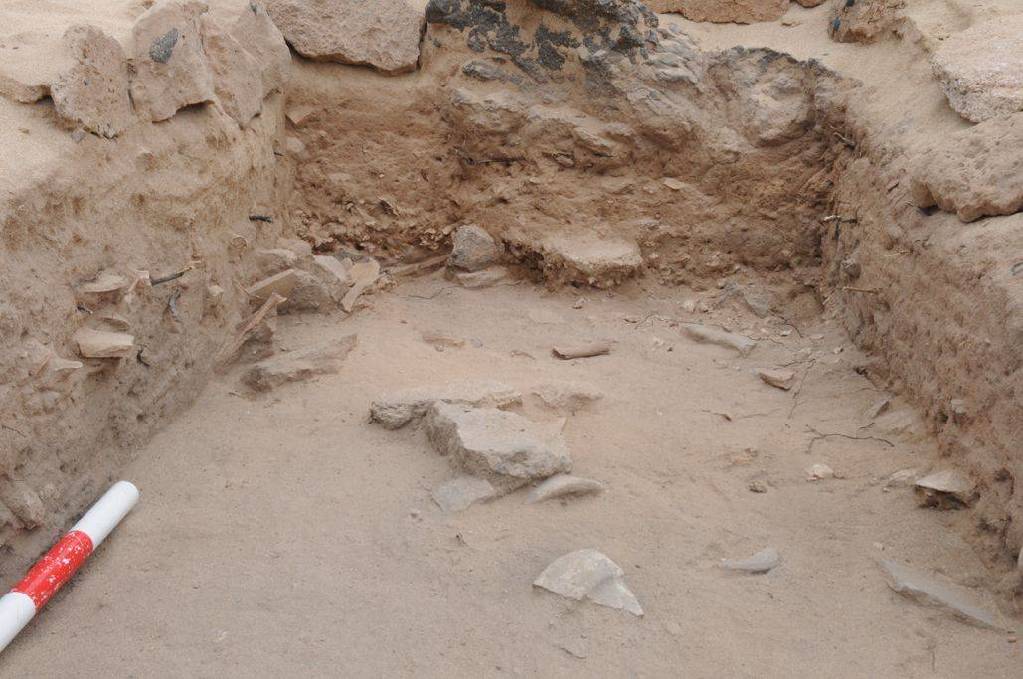
The conversation then transitioned to ongoing research efforts on the Isla de Lobos, which is increasingly garnering international attention. Del Arco stressed the significance of the findings on this small island, pointing out that the site serves as a gateway to understanding its integration into the Roman world. The archaeology there presents a crucial opportunity to shift perspectives about the Islands’ historical significance.
Del Arco also introduced a compelling hypothesis that has begun to resonate among specialists: “Lobos is merely the tip of the iceberg in terms of what we could discover about the Roman world in the Canary Islands.” This perspective opens up exciting possibilities for future explorations and acknowledges the potential for deeper archaeological layers yet to be uncovered.
The Importance of Cultural Heritage
As discussions wrapped up, the importance of preserving and disseminating knowledge about Fuerteventura’s cultural heritage was highlighted. The councilor of Culture underscored that safeguarding this heritage is not only an institutional duty but also essential for fully grasping the island’s history and ensuring its continuity for future generations. Education and awareness play pivotal roles in fostering a collective appreciation and responsibility for maintaining the rich tapestry of cultural narratives that Fuerteventura holds.
While this event was a platform for scholarly discussion, it also served as an invitation for the public to engage with and appreciate the multifaceted history waiting to be explored on these enchanting islands. The rich archaeological landscape of Fuerteventura and Isla de Lobos beckons both seasoned archaeologists and curious minds alike, promising insights that transcend time and geography.