Salty Solutions: Tackling Invasive Canes in Fuerteventura
Introduction: A Natural Challenge
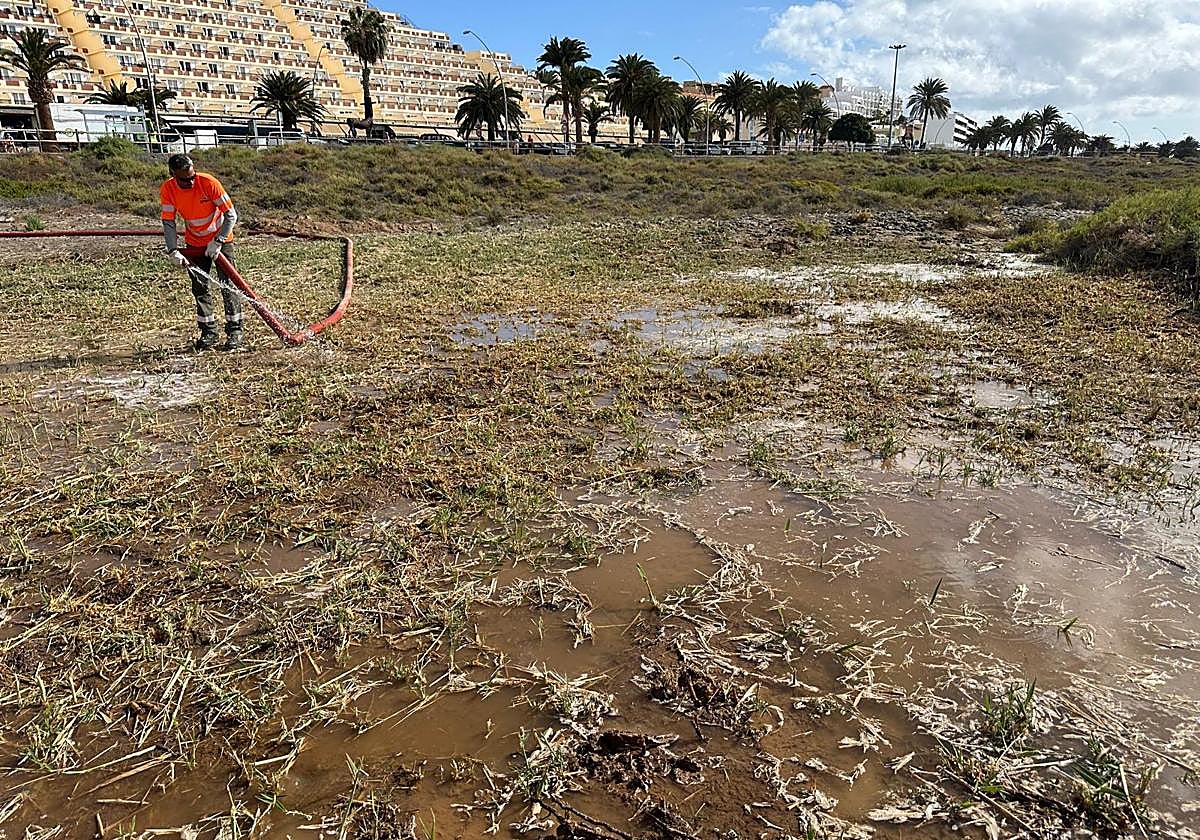
In the beautiful island of Fuerteventura, nestled in the Canary Islands, a pressing environmental issue has been brought to light. The Cabildo de Fuerteventura, through various environmental and infrastructural departments, has launched a significant pilot project aimed at addressing the rampant growth of invasive cane species in the stunning beach of El Matorral, located in the municipality of Pájara. This initiative aims to restore the natural habitat and protect the local biodiversity.
The Invasion of Cane Species
Invasive plant species, particularly the cane, have been a growing concern in many ecosystems around the world. In the case of El Matorral, these canes have begun to dominate the landscape, pushing out native plant species and disrupting existing natural processes. This invasion not only diminishes the area’s ecological diversity but also poses challenges to the local tourism industry, particularly in terms of flooding risks associated with disrupted water circulation.
The Pilot Project: A Saline Approach
The pilot project recently initiated involves the flooding of 1,200 square meters of land with saltwater, a new and innovative approach to combating the invasion. By saturating the underground stems, or rhizomes, of the cane plants with saltwater—once the canes are cut—the hope is to ultimately asphyxiate these invasive species. This method aligns with the broader initiative known as ‘Fuerteventura, bonita por naturaleza’, aimed at preserving and enhancing the island’s natural beauty.
Environmental and Scientific Significance
The El Matorral beach has been designated as a site of scientific interest, which underscores the importance of the ongoing work. The removal of invasive species through this pilot project is crucial for several reasons. Firstly, it helps to safeguard native flora and fauna that rely on the native ecosystem. Secondly, by restoring the natural water flow, the project seeks to mitigate the potential for flooding disasters in the tourist areas nearby.
The Broader Implications for Biodiversity
Invasive species like the cane dramatically alter ecosystems. They not only displace native plants but can also have cascading effects on the animals that depend on those plants for food and habitat. The project at El Matorral exemplifies a proactive approach to biodiversity preservation, indicating a growing recognition of the need to take action before the problem escalates further.
Future Perspectives on Environmental Management
This trial sets an exciting precedent for future environmental management strategies in Fuerteventura and beyond. If the saline flooding approach proves successful, it may be applied to other areas suffering from similar invasions. Such practices will be essential for the ongoing conservation of the rich natural heritage that Fuerteventura is known for, ensuring that both the local ecosystem and economy can thrive in harmony.
In summation, the efforts being undertaken in El Matorral reflect a committed response to a serious environmental challenge, paving the way for innovative solutions and a renewed appreciation for the island’s natural beauty.