Discovering El Hierro: A Unique Gem in the Canary Islands
May is a vibrant month in the Canary Islands, marked by the celebration of Día de Canarias. In 2025, this joyous occasion coincides with the Bajada de la Virgen de los Reyes, a significant event that draws visitors to the island of El Hierro. Nestled at the southernmost tip of the archipelago, El Hierro stands distinct in both its natural beauty and cultural heritage.
The Geographical Significance of El Hierro
El Hierro is the most remote of the Canary Islands, located farthest from Africa and perched on the western edge of the archipelago. This contrasts sharply with Lanzarote and Fuerteventura, which lie to the north and east. Despite their distance, these islands share volcanic origins and interrelated histories. Like its siblings, El Hierro’s landscape showcases the dramatic impact of volcanic activity. The island, relatively young at just one million years, bears witness to its fiery past with signs of eruptions, the latest of which occurred in 2011 from the underwater volcano El Tagoro.
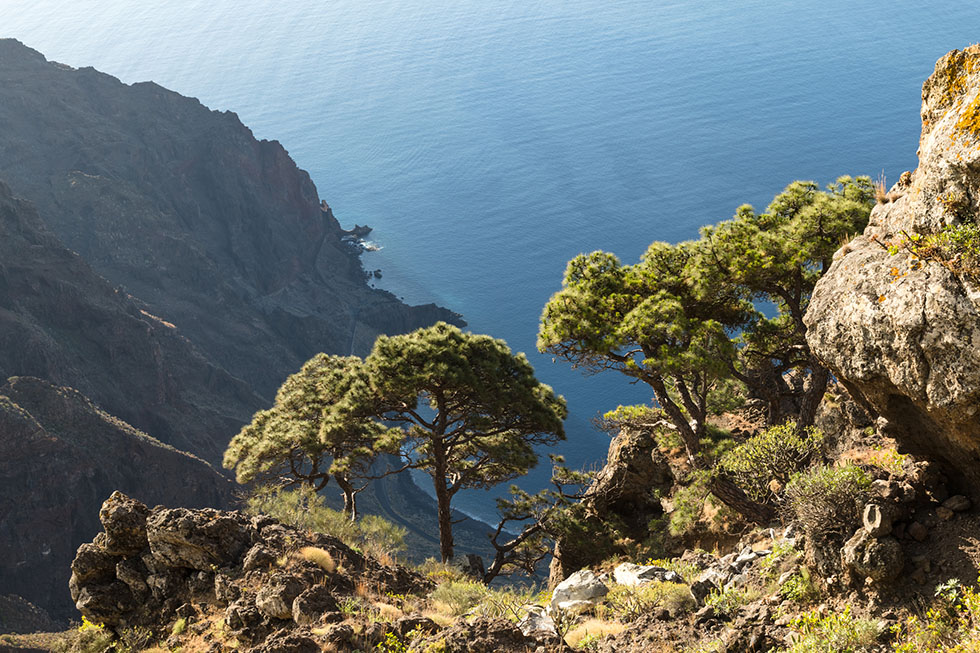
This rugged terrain not only makes El Hierro visually stunning but also deeply unique, as its high elevations create one of the greatest gradients in the world. The lush, steep terrains contrast with the more arid landscapes of Fuerteventura and Lanzarote, showcasing a biodiversity that is both rare and breathtaking.
Shared Heritage: Water and Emigration
Water scarcity is a common thread that links El Hierro with Lanzarote and Fuerteventura. The island struggles with frequent droughts, a plight poignantly illustrated in Victor Álamo de la Rosa’s novel El año de la seca, which recounts the devastating effects of the 1948 drought that forced many residents to emigrate. The term “seca” locally refers to drought, highlighting its significant cultural impact.
Historically, the arrival of cal (lime) from Lanzarote and Fuerteventura offered a solution to help El Hierro residents waterproof their water storage facilities. This reciprocity reflects deeper societal bonds formed out of necessity, resulting in patterns of emigration that often sent islanders to America, particularly Cuba and Venezuela. In contrast, Lanzarote and Fuerteventura looked towards Africa and South America as potential new homes.
The Legacy of the Ancients
The rich history of El Hierro is equally connected to its indigenous roots. The island’s first inhabitants, known as the bimbapes or bimbaches, left behind evidence of their existence in the form of ancient inscriptions. Similar to the majoreros of Fuerteventura, these early inhabitants utilized Libyan-Bereber script, creating a fascinating link across the archipelago.
El Hierro’s archaeological sites brim with rock engravings that tell tales of a time long past, drawing attention to the shared cultural narratives and practices across the islands. One notable element is the use of dry stone construction for agricultural and aqueduct systems, a technique honed by generations and still prevalent in traditional architecture today.
Ancient Connections with Rome
El Hierro is sometimes referred to as the Isla del Meridiano, a nod to Ptolemy’s designation of the prime meridian at its coast during the Roman Empire. This geographic distinction adds another layer to the island’s historical significance, connecting it to ancient explorations and maritime lore. Interestingly, archeological findings in nearby Isla de Lobos continue to reveal the island’s ties to Roman trade networks, particularly in the extraction of valuable resources.
Evolving Economies: Agriculture and Livestock
The island’s economy has always revolved around agriculture and livestock—heritages that resonate deeply with the historical economies of Lanzarote and Fuerteventura. Traditional methods adapted ingeniously to the harsh environments continue to define agricultural practices today. El Hierro features terraced farming, which maximizes arable land, while livestock farming promotes a sustainable pastoral lifestyle that has endured for centuries.
Seafaring has also shaped the island’s economic fabric, with local fishing practices often reflecting a commitment to sustainable harvesting, recognizing the ocean as an essential resource. Proposed efforts, such as the establishment of a new national park in the Mar de las Calmas, emphasize a forward-looking approach to preserving both marine life and local fishing culture.
A Unique Character Amidst Similarities
Despite these shared histories and characteristics, El Hierro is vividly different from its eastern counterparts. In terms of geography, the island presents a strikingly greener landscape, with diverse ecosystems including pine forests and laurisilva. Malpaso, the island’s highest peak at 1,502 meters, captures much-needed moisture from the persistent trade winds, creating atmospheres absent on Lanzarote and Fuerteventura.
Recent decades have seen varying trajectories of development across these islands. The tourism boom in Lanzarote and Fuerteventura has transformed them into bustling hubs, whereas El Hierro has remained comparatively tranquil, drawing around 20,000 tourists annually. This sense of solitude provides visitors with an authentic experience of island life, significantly shaped by the community.
The Festivals: A Cultural Spotlight
The Bajada de la Virgen de los Reyes in 2025 is more than just a religious event; it represents a cultural revival unique to El Hierro. This quinquennial festival includes traditional dances, music, and a celebration of local customs that reflect the vibrant community spirit. For many, it will be a pivotal reason to engage with the island, experience its natural beauty, and immerse in its deep-rooted traditions.
The Beauty of Connection and Contrast
The interconnected histories, cultures, and landscapes of El Hierro, Lanzarote, and Fuerteventura tell a story of resilience, creativity, and shared struggles. Visiting El Hierro opens a window to a world where nature and culture intertwine seamlessly. As travelers prepare for the jubilant celebrations ahead, El Hierro remains a testament to the enduring spirit of its people and a treasure trove of natural wonders waiting to be explored.