The Debate Over the Cruz de los Caídos in Pájara: A Community Divided
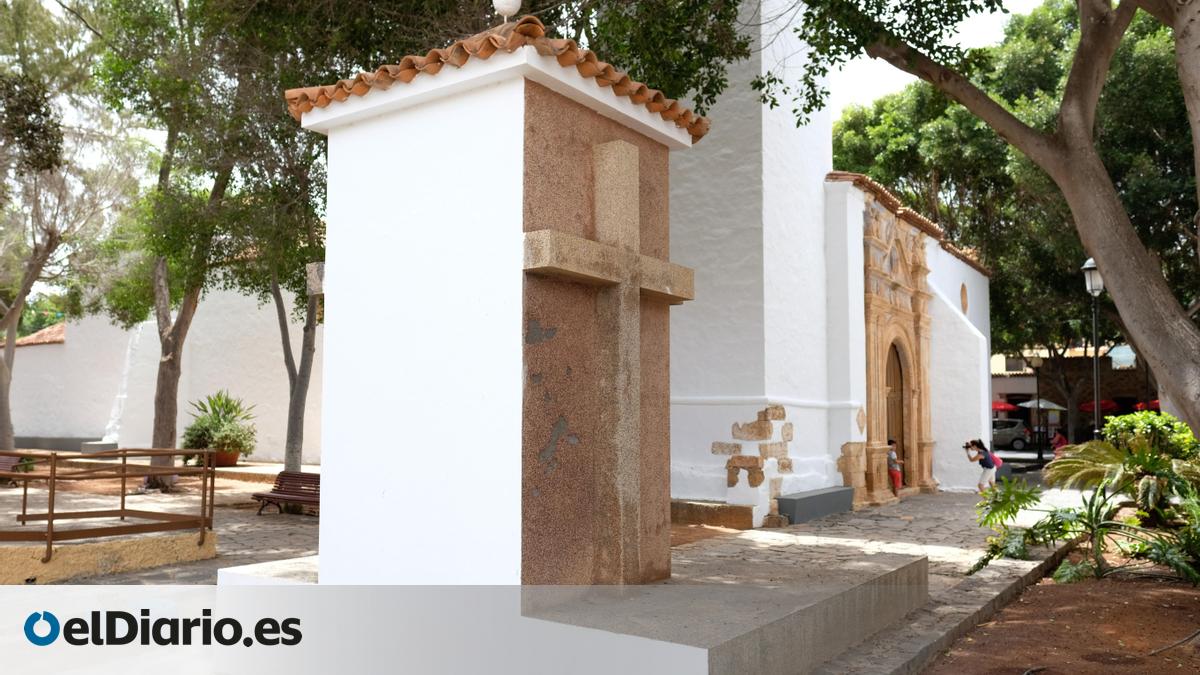
In the picturesque municipality of Pájara, located on the island of Fuerteventura, a heated debate is unfolding surrounding the Cruz de los Caídos, or the Cross of the Fallen. While the local government views this monument as a symbol of Francoist glorification, many residents regard it as an integral part of their communal identity. This clash reflects broader themes of history, memory, and heritage that resonate deeply within the community.
A Government Initiative
The Pájara Town Hall plans to renovate the church square with a budget of 513,600 euros, aiming to make the historic area more accessible and functional. During the planning stages, Mayor Rafael Perdomo stated that the cross “looked terrible in that space and was merely an eyesore.” The local government cites compliance with Spain’s Historical Memory Law, passed in 2007, as a rationale for its removal, emphasizing the cross’s association with the Civil War and the need to transform public spaces.
Historical Context
The mayor points to the Cruz de los Caídos as a monument celebrating the victory in the Civil War, arguing that it should have been removed long ago. He acknowledges that the cross has remained due to a lack of public dissent until now. The government consulted the Historical Heritage Unit of the Cabildo de Fuerteventura, which confirmed the structure’s lack of historical value. Yet, local sentiments run deep, as many residents regard the cross as a sentimental landmark rather than merely a relic of the past.
Sentimental Attachment
For long-time residents like Manuel Melián, Moisés Melián, and Antonio Castro, the cross represents more than its political associations. These retired individuals have watched over the years as children played in its vicinity, and they now find it hard to understand the push to remove it. Manuel argues that the monument “has nothing to do with Franco” and perceives the government’s action as a “silly decision.”
Antonio Castro shares a personal connection, saying that the cross serves as a tribute to friends lost during the war. With heartfelt conviction, he implores the town to respect the legacy that many local families attribute to the monument.
Perspectives on Change
The discourse is not one-sided. Antonio Díaz, a teacher with three decades of experience in the community, wrestles with the implications of following the law versus preserving local history. He questions the broader significance of historical events, suggesting that if the cross is removed, it opens the floodgates for reconsidering commemorative practices linked to various aspects of the region’s past.
Community Response
In response to the impending removal, residents initiated a petition that garnered around 300 signatures. While a municipal meeting was held to address public concerns about the redevelopment project, attendance was sparse. As some residents cited scheduling conflicts, others lamented the lack of community turnout. The opposition remains largely silent on the issue, perhaps preferring to avoid the contentious debate.
A Clash of Memories
Francisca Cabrera, a lifelong Pájara resident, sees the cross as a symbol of her childhood rather than Francoist ideology. She recalls happy times spent near the structure, emphasizing its benign nature. Other residents express fears of erasing historical artifacts from their town and worry about losing the memory of what those landmarks mean to their community.
Precedents in the Region
The situation in Pájara is not unique; other municipalities have grappled with similar symbols. In Antigua, a nearby town found a compromise by renaming their square and removing explicit references to its Francoist past while preserving a cross. This option has stirred discussions among Pájara’s residents about recontextualizing the cross rather than erasing it entirely.
Exploring Alternatives
Some community members suggest transforming the cross into a monument that honors fallen soldiers from both sides of the Civil War, advocating for a more inclusive commemorative practice. This could serve as a way to recognize the complexities of the past while forging a new path forward.
Historical Expert Opinions
Historian Aarón León has been studying the repercussions of the Civil War and Francoist repression on Canary Islands’ history. He elucidates that such symbols often serve as reminders of the Church’s alignment with the military coup and dictatorship. León acknowledges the personal meanings residents attribute to the cross but emphasizes the necessity of addressing its historical origins within the framework of democratic memory.
Navigating Collective Identity
While many residents of Pájara cherish the cross for its ties to shared experiences—friendships, childhood games, and local history—the stark reality remains that these symbols often originate from darker chapters in history. The challenge lies in reconciling individual memories with the overarching narrative of Spain’s past.
The discourse in Pájara exemplifies how symbols can evoke strong emotional responses, intertwining personal and collective histories, raising questions about the essence of memory, identity, and the constant journey toward understanding the complex landscapes of the past.