The Mysteries of the Efequenes: Unveiling Ancient Structures of Fuerteventura
A Journey to the Corrales de Las Hermosas
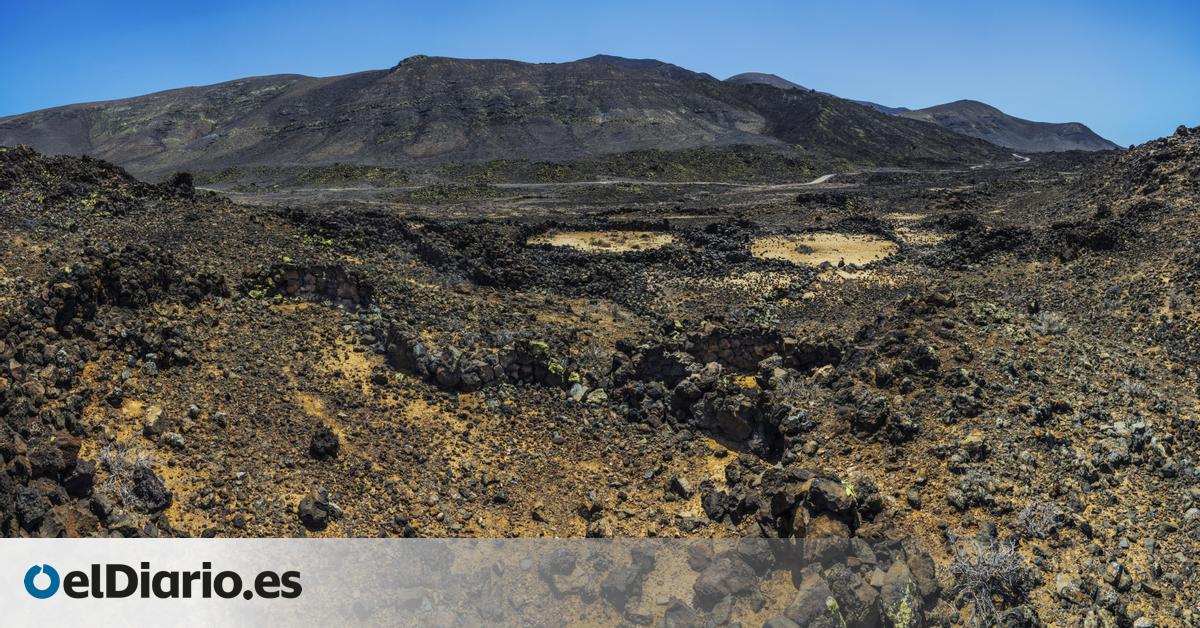
Nestled in the rugged landscape of Pájara, Fuerteventura, lies the fascinating archaeological site of Corrales de Las Hermosas. As I traversed this ancient settlement, I recalled the words of astronomer Juan Antonio Belmonte, who embarked on a similar journey with archaeologist María Antonia Perera. While observing the monolithic structures, Belmonte wondered aloud about the circles that were said to be present. He speculated that the pivotal efequenes—circular stone formations—were precisely aligned with the peak of Montaña Cardón. Several years later, as I found myself standing at the same archaeological site, I was eager to uncover the secrets that these structures held.
The Enigmatic Efequenes
Efequenes, often referred to as corrales, can be found scattered across Fuerteventura’s geography. What sets these structures apart from similar formations found on other Canary Islands, such as Gran Canaria, is their distinct association with Fuerteventura in historical chronicles. As chronicler Abreu Galindo noted, these circular structures comprised two stone walls that enclosed a space where offerings of milk and butter were made during ceremonies.
Architectural Insights
Pedro Gómez Escudero’s exploration into the architectural significance of these circles revealed that some served ceremonial purposes. He detailed how smoke produced from burning offerings was interpreted as omens for the future, while Tomás Marín y Cubas noted rituals involving barley sacrifices. These observations raise intriguing questions about the multifaceted purposes that the efequenes might have served.
Are all efequenes uniform? Do they share a common function, or do they harbor connections to celestial events? The answer is a resounding no, with a wealth of nuances awaiting exploration. Preliminary research suggests significant geometric diversity; while some structures are nearly perfect circles, others adopt elliptical forms or combinations of straight and curved walls. Particularly in Las Hermosas, a fascinating array of geometries can be witnessed, contrasting with the symmetrical yet varied forms discovered in Valle de la Cueva.
Variations in Construction and Function
The construction techniques employed in these structures vary widely. Many are composed of a single wall, while others, like the Corral de la Asamblea, boast dual walls. Some are open, marked by large standing stones, while others are closed off. Size-wise, the circles range from impressive spans exceeding 70 meters to more modest diameters of just over a dozen meters.
What were the original purposes of these intriguing structures? Archaeologist Isidoro Hernández, who heads the Museo Arqueológico de Fuerteventura, pointed out that while some could be interpreted as sheep corrals, specific circles, particularly those measuring less than 50 centimeters in height, challenge that notion and call for further archaeological investigation.
Archaeological Discoveries and Cultural Implications
Rosa López, a heritage technician, acknowledged the need for caution when interpreting the origins and functions of the circles. While some may serve pastoral roles—given that historical accounts cited over 40,000 goats on the island during the 15th century—these structures’ often low heights suggest varied purposes. Excavations at some sites uncovered burnt bones, indicating potential ceremonial use, but López stressed that these do not resemble sacrificial altars either.
This gives rise to the possibility of diverse uses among the efequenes. López emphasized that contextual analysis is crucial, particularly regarding associations with other types of structures, especially those found near cemeteries.
Spotlight on the Corral de la Asamblea
Among the most prominent efequenes in Fuerteventura is the Corral de la Asamblea, an enormous elliptical structure measuring 75 meters in length. Its sophisticated design features two rows of standing stones, filled with earth and rock. The structure’s division by a roadway leads to speculation about its purpose, with some theorizing it might have served as a communal meeting spot. However, the openness of the surrounding plain challenges this interpretation.
Historians like Luis Lorenzo Mata argue against this notion, positing that the Corral de la Asamblea might function as a “mareta,” a water retention feature crucial for agriculture in such an arid climate. The structure’s dimensions and layout align with natural water flow patterns, suggesting functionality beyond a mere gathering space.
The Efequenes and Celestial Connections
The pursuit of astronomical connections reveals both possibilities and limitations. Belmonte’s measurements across various efequenes have yielded inconclusive results. While he notes that certain structures afford impressive views of celestial events—such as the sun rising over coastal mountains or significant stars—these do not necessarily confirm their role as astronomical sites. Yet, the importance of geographical markers, such as Montaña Cardón, showcases their potential relevance to ancient inhabitants.
One notable exception is the Tablero de los Majos, situated in the remote Jandía Peninsula. This location shows unequivocal astronomical alignment, where the rising sun aligns with the mountain peak during critical points in the solar calendar, signifying its possible importance to native astronomic practices.
The Broader Cultural Significance
The exploration of the efequenes doesn’t stop at architecture and astronomy. Linguistic investigations into the term “efequén” suggest potential etymological ties to the Libyan variations signifying “temple.” This opens the door to understanding these structures as more than mere relics; they reflect a rich tapestry of cultural significance and practices among ancient inhabitants of Fuerteventura.
By weaving together archaeological, astronomical, and philological insights, we begin to appreciate the complexity of these enigmatic structures, promising pathways for future exploration and understanding of the ancient culture that thrived on this captivating island.