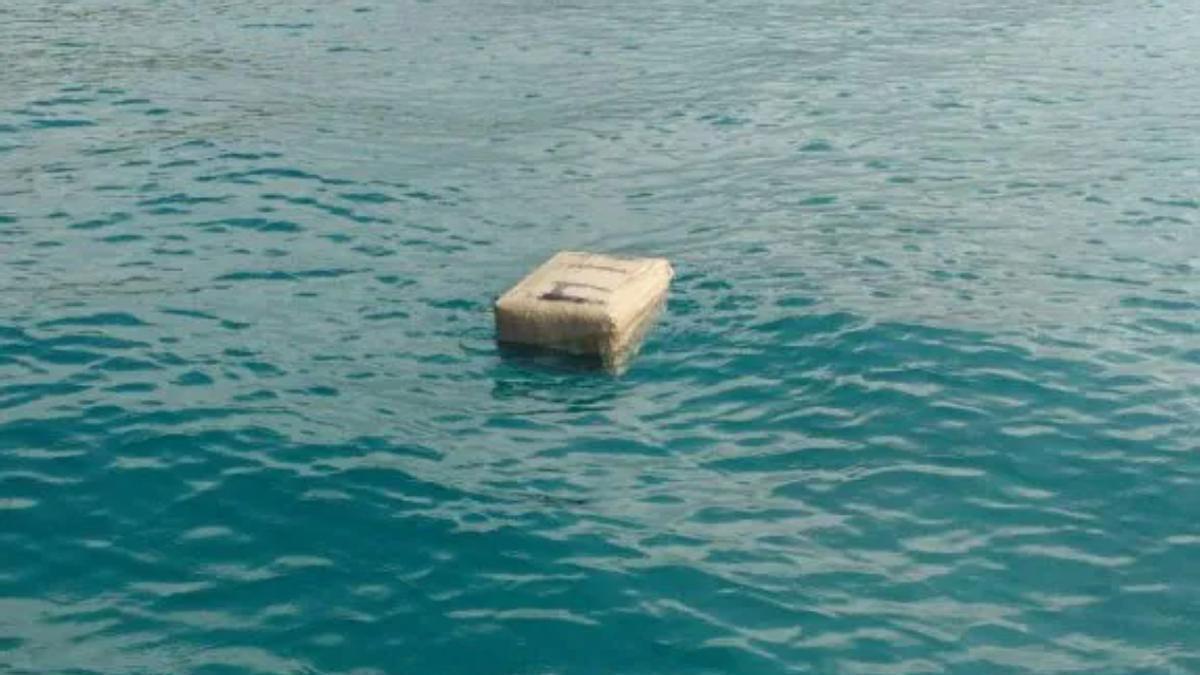
The Cocaine Discovery off Corralejo: A Closer Look at the Investigation
Recently, a significant event transpired off the coast of Corralejo, a charming town in the municipality of La Oliva, situated in the northern region of Fuerteventura. A local fishing vessel stumbled upon a suspicious floating package in the ocean, sparking an immediate response from the Guardia Civil. This unexpected discovery led to an investigation into the origins and implications of the package, rumored to contain approximately 20 kilos of cocaine.
The Discovery Process
The discovery occurred when local fishermen encountered a package bobbing in the waters near their usual fishing grounds. Recognizing something amiss, they promptly contacted the Guardia Civil, Spain’s national police force, which specializes in various forms of law enforcement, including drug trafficking. Upon arrival, the authorities secured the area and initiated a preliminary assessment of the find.
Contents of the Package
Initial reports confirm that the package contained around 20 kilos of cocaine, although further investigations are necessary to ascertain all the details regarding its origins. Questions remain about how it ended up in the water: Was it accidentally lost during a drug transport? Or was it intentionally discarded by traffickers attempting to elude capture? The Guardia Civil is focused on answering these questions as they delve deeper into the matter.
Investigative Directions
The investigation involves multiple angles, including assessing whether the package fell from a vessel during a transfer or whether it forms part of a larger shipment tied to international drug trafficking networks. The Guardia Civil, along with various law enforcement agencies, is meticulously piecing together this puzzle to understand the broader implications of their find. They are also exploring the possibility that this package might be connected to a surge in maritime cocaine trafficking.
Maritime Drug Trafficking in the Canary Islands
The Canary Islands are strategically positioned in the Atlantic Ocean, making them a hotspot for international drug trafficking routes. Statistics show that these islands frequently appear in investigations targeting maritime networks involved in drug smuggling. Reports from Europol indicate a diversification of methods used by criminal organizations to transport cocaine into Europe, further complicating the efforts of law enforcement agencies.
Community Impact
The presence of such illegal substance in local waters raises concerns among residents and businesses in Corralejo and surrounding areas. Local fishermen, tourism operators, and community leaders are closely monitoring the situation, aware that drug trafficking activities could jeopardize the safety and reputation of their beloved region. The vigilance shown by the fishermen who reported the find is a testament to the community’s proactive approach towards safeguarding their environment and way of life.
Broader Implications
The ramifications of this incident extend beyond the immediate discovery of the package. It highlights ongoing challenges faced by law enforcement agencies as they combat drug trafficking in a geographical area that serves as a gateway between continents. As investigations continue, the Guardia Civil will likely collaborate with international drug enforcement agencies to unravel any networks potentially linked to this discovery.
Conclusion of Current Developments
As more information emerges from the ongoing investigation, the focus will remain on understanding how this cocaine package relates to larger narratives of drug trafficking in the Canary Islands. The findings will surely have implications for local law enforcement strategies and community awareness, exemplifying the intricate nature of combating organized crime in this strategically significant region. The vigilance of local citizens has undoubtedly played a critical role in maintaining the safety and security of their coastal environment in the wake of such alarming discoveries.