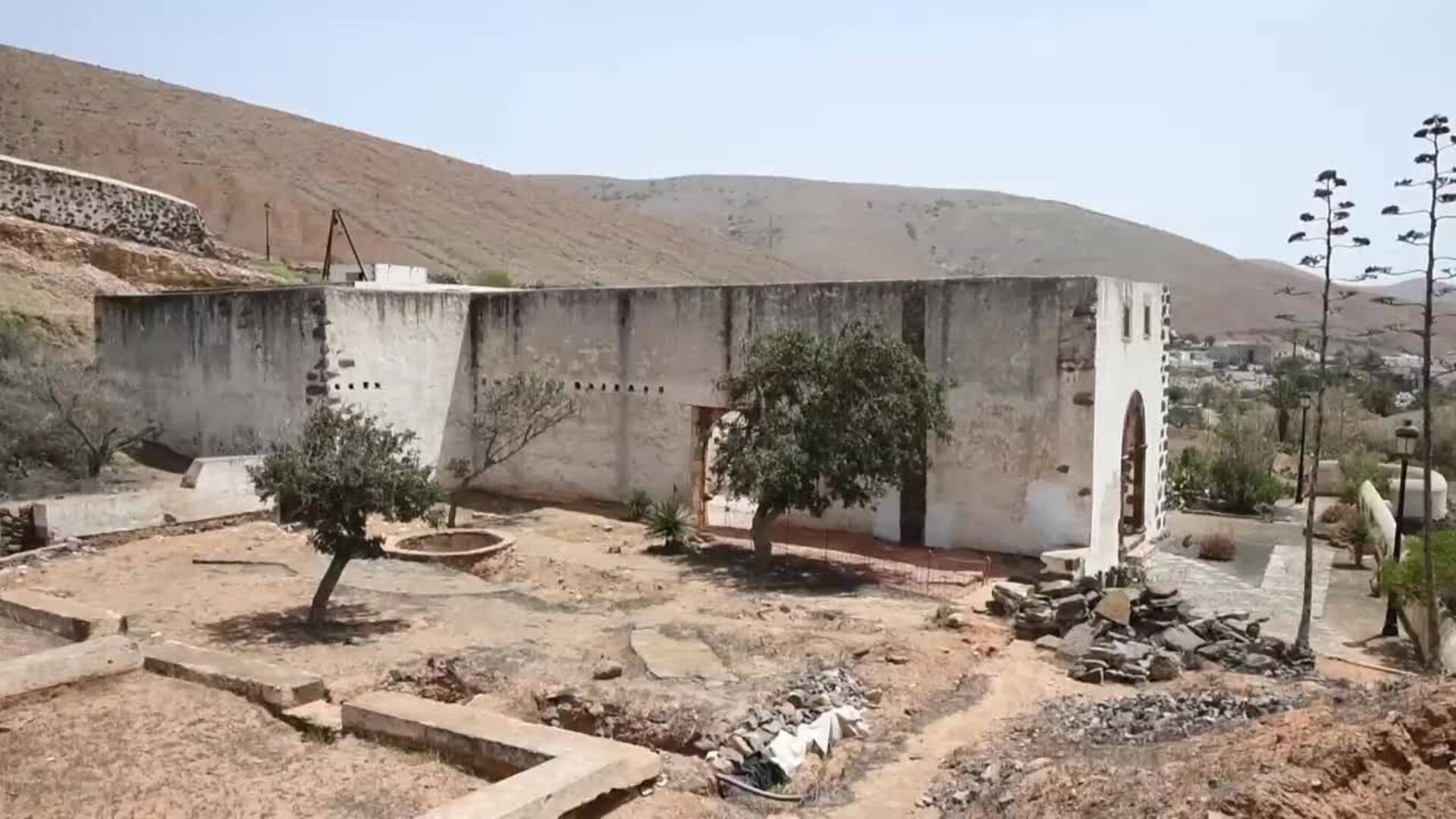
Uncovering History: The Excavation of the Franciscan Convent in Betancuria
A Glimpse into the Past
In a significant archaeological find on the island of Fuerteventura, excavations in the historic town of Betancuria have unveiled the original remains of the Franciscan convent of San Buenaventura. Founded in the early 15th century, this convent holds the distinction of being one of the first missionary convents in the Canary Islands. This momentous discovery offers a rare opportunity to peek into a bygone era, enriching our understanding of the island’s religious and cultural heritage.
The Role of Tibicena in Archaeological Exploration
The excavations are being overseen by Tibicena, a dedicated firm specializing in archaeology and heritage preservation. Their meticulous work is crucial in piecing together the fragmented history of the convent. In a recent press release, the company’s representatives highlighted the striking contrast between the convent’s long-standing existence—from 1413 until its closure in 1823—and the limited knowledge surrounding its original architecture and the circumstances of its eventual disappearance.
The Historical Significance of San Buenaventura
The Franciscan convent of San Buenaventura is not just an ecclesiastical site; it also plays a significant role in the historical narrative of the Canary Islands. Established in a time when the islands were being integrated into the European religious and colonial framework, the convent served as a hub for mission work, education, and cultural exchange. Its longevity exemplifies the region’s colonial history and the enduring influence of the Franciscan order.
Excavation Process and Techniques
During the excavation, experts have employed a combination of archaeological techniques to ensure the utmost accuracy and preservation of the site’s integrity. Carefully removing layers of earth and debris, they are able to uncover artifacts, architectural fragments, and other historical elements that shed light on the convent’s structure and its day-to-day operations. This method not only aids in the documentation of the site but also allows for the discovery of additional items that may tell a broader story about life in Betancuria centuries ago.
Mystery of the Missing Structure
Interestingly, despite the convent’s lengthy history, much remains a mystery. The original layout, design, and even the events leading to its disappearance have puzzled historians and archaeologists alike. While some reports suggest that the building fell into disrepair over time, the details surrounding its decline are still shrouded in uncertainty. Each new find during the excavation opens doors to questions and theories about the convent’s past.
Community Involvement and Future Prospects
Local interest in the excavation has been palpable, with many residents expressing excitement about the implications of these discoveries. The community is keen on preserving the heritage of Betancuria, recognizing the invaluable cultural wealth that such historical sites offer. As excavations continue, scholarly interest will likely grow, prompting further studies and potentially leading to the development of educational resources focused on the history of the convent and its place within the larger context of Canarian heritage.
Looking Ahead
With each shovelful of earth turned, the excavation team moves closer to reconstructing the architectural and social narrative of the Franciscan convent in Betancuria. As they document their findings, these efforts underscore not only the importance of heritage preservation but also the need to celebrate the rich tapestry of cultural narratives that form the identity of the Canary Islands.
Excitement continues to build around this archaeological treasure, promising to illuminate a vital chapter of history that deserves to be remembered and explored further.