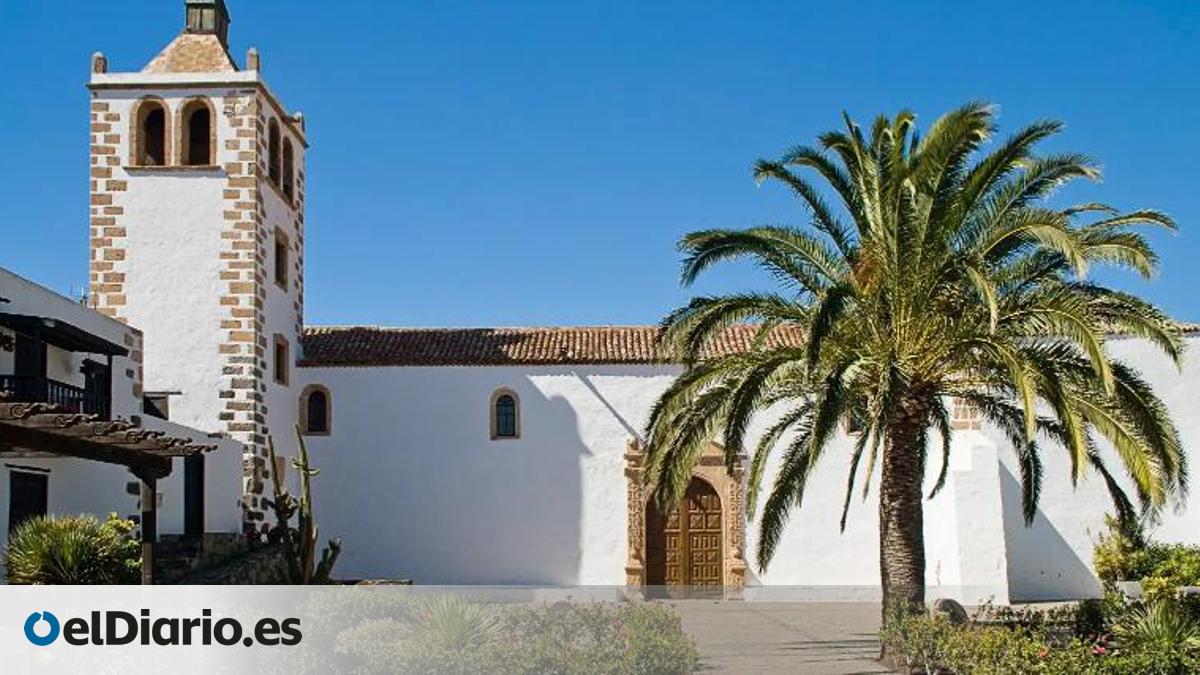
Nestled in the heart of Fuerteventura, the charming village of Betancuria stands as the first capital of the Canary Islands and is set to play host to the I Encuentro de Conjuntos Históricos de Canarias. This significant gathering takes place this wednesday and thursday at the esteemed Museo Arqueológico de Fuerteventura. The primary aim of this summit is to “analyze the current status and promote shared strategies for the conservation and management of nearly fifty historical sites declared as Cultural Assets of Interest (BIC) across the Archipelago,” as reported by the communications office of the Canary Islands’ Ministry of Culture. This event is organized in collaboration with Fuerteventura’s Cabildo and the town hall of Betancuria.
The meeting will feature specialists from historical cities such as Toledo and Cáceres, who bring extensive experience in managing invaluable cultural heritage. This event is envisioned as “a space for reflection, analysis, and dialogue among cultural heritage specialists, technical personnel, and public officials.” Its objective is to address the main challenges facing these heritage sites and “to seek shared solutions based on experiences developed in other recognized territories, both nationally and internationally.” Professionals and the general public are invited to participate, with prior registration available through a web form for the event.
Among the most pertinent challenges that will be discussed during this summit are “tourist pressure, the displacement of local residents, the loss of traditional commerce, and the administrative complexities that accompany heritage rehabilitation processes.” These issues necessitate close institutional cooperation to ensure the preservation and revitalization of historical sites.
Throughout the event, various thematic sessions will see professionals from fields like History, Architecture, Urban Planning, Cultural Heritage Management, and Public Governance share their experiences, best practices, and success stories. The sessions are designed to combine short presentations with discussion forums, oriented towards formulating proposals for the future of these particularly sensitive environments.
The agenda will include participation from representatives and experts from historical cities across the Iberian Peninsula, including the aforementioned Cáceres and Toledo, alongside the Aragonese town of Albarracín. Also involved are several Canarian municipalities known for their notable efforts in heritage protection, such as San Cristóbal de La Laguna, La Orotava, and Arucas. Another key goal of the event is to foster knowledge exchange among local, insular, and autonomous administrations, as well as professionals who directly engage in preserving and managing historical sites.
The closing session will feature an institutional discussion with municipal representatives from the Archipelago, who collectively possess a wealth of experience in the protection, conservation, and revitalization of these heritage spaces. Complementing the gathering will be a cultural activity program designed to highlight the historical richness of Betancuria, the first capital of the Canary Islands. Among the attractions are a theatrical route of the village, organized by Pastorcillo Teatro, and a concert by Julia Rodríguez and Arife Band.
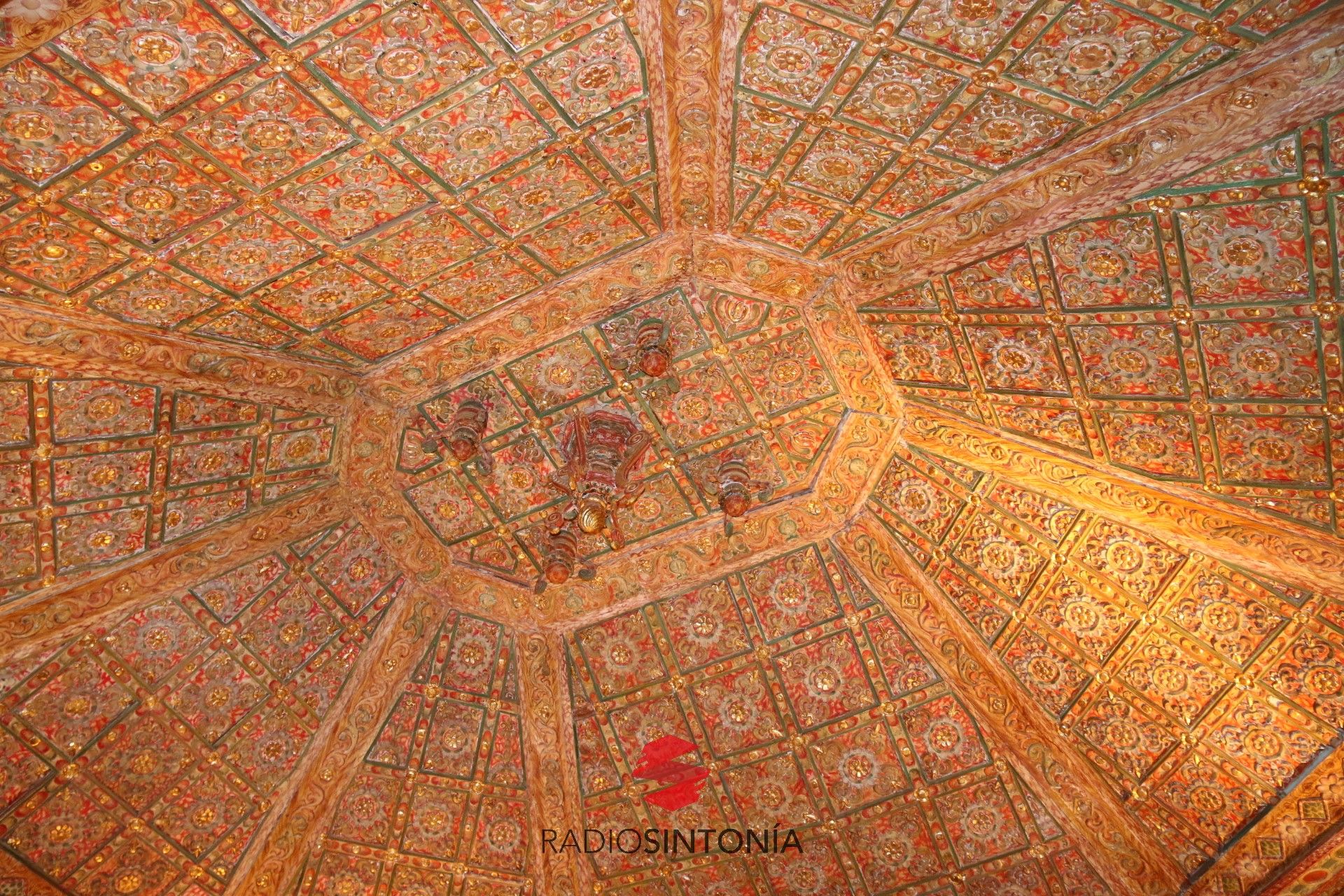
Vok-kEDH-U220107053125nXH-1200x840@Canarias7.jpg "Betancuria is also a Postage Stamp")
