The Madrid Grand Prix: A New Era for Formula 1
Positioning a Grand Prix circuit within a city is no small feat. It requires not just political backing but also significant financial support from local or national governments. This is why many European street circuits have retreated from the Formula 1 calendar in recent decades, with Monaco being the sole survivor, buoyed by the unwavering support of its royal family. However, the landscape is shifting as the Spanish Grand Prix makes a bold move to Madrid, marking a new chapter in the world of Formula 1.
A Historical Shift
The first world championship Spanish Grand Prix took place in 1951 at the Pedralbes track in Barcelona. This roughly triangular loop ran through parts of what is now known as Avenida Diagonal, a route familiar to many who travel from the airport to the Circuit de Catalunya. Fast forward 75 years, and the Spanish Grand Prix is set to relocate to Madrid, but not to the historic Jarama circuit, which hosted several championship rounds between 1968 and 1981. Instead, the new venue will be a hybrid of public roads and temporary infrastructure near the IFEMA (Institucion Ferial de Madrid) exhibition center.
The Madrid Circuit: A Unique Challenge
Luis Garcia Abad, a familiar face in the F1 paddock and now the general manager of the Madring circuit, shared insights into the challenges of constructing a new racetrack in a European capital. “Building something in Europe isn’t easy,” he noted, citing the myriad regulations and environmental laws that must be respected. Despite these hurdles, the team has remained on schedule, with plans to complete construction by the end of May.
Testing the Waters
There are discussions about hosting a test event around August, potentially featuring touring cars or single-seaters. Abad emphasized the importance of testing the circuit thoroughly to avoid unexpected issues during the Grand Prix weekend. “I don’t want to find unexpected problems on Friday morning,” he stated, highlighting the meticulous planning involved.
Evolving Circuit Design
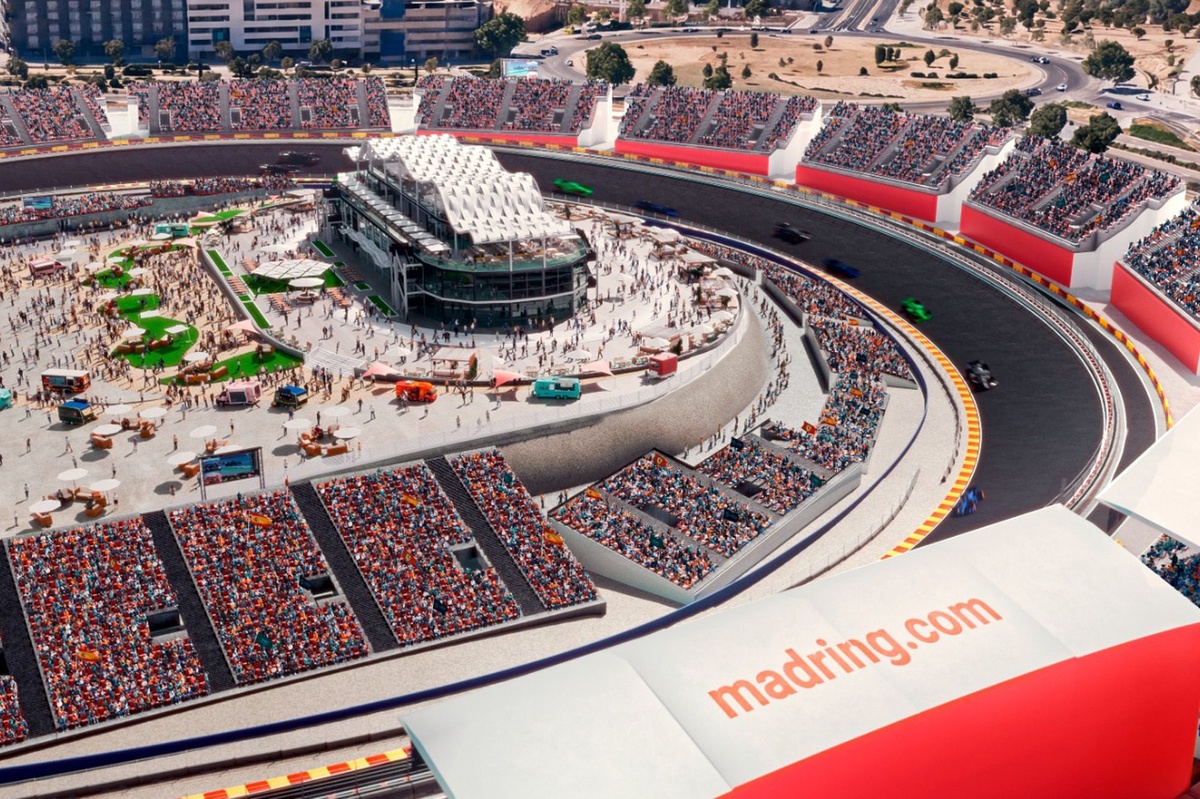
The layout of the circuit has evolved over the past few years, growing to include two additional corners. This change was made to accommodate a significant banking corner, La Monumental, which features a 24% incline. The FIA recommended modifications to reduce the entrance speed, ultimately allowing for the installation of more grandstands and minimizing noise impact on the surrounding neighborhoods.
Navigating Noise Regulations
One of the most significant challenges of hosting a race in an urban setting is adhering to noise regulations. Abad explained that the circuit will only generate noise for about 14 hours throughout the year, significantly less than a permanent facility. The team has proactively communicated with local residents to ensure they understand the temporary nature of the event and its benefits to the community.
Commercial Viability and Sustainability
The Madrid Grand Prix is unique in that it does not rely on government backing, unlike many of its counterparts. Abad emphasized the importance of careful planning and investment, noting that the contract with Formula 1 is for ten years, providing a stable foundation for the event. The circuit will utilize existing facilities at IFEMA, reducing construction costs and allowing for a more sustainable business model.
Ticket Sales and Capacity
As of now, over 90,000 tickets have been sold, with a target capacity of around 125,000 spectators per day. The balance between general admission and VIP areas is crucial, with plans for approximately 100,000 grandstand seats and around 20,000 in hospitality. The team is focused on creating an inclusive experience for all attendees, ensuring that both casual fans and VIPs feel catered to.
Economic Impact on Madrid
The economic implications for Madrid are substantial, with estimates suggesting a direct impact of around 500 million Euros. This figure does not account for the indirect benefits, which could be even more significant as the city prepares to welcome new hotels and infrastructure in anticipation of the Grand Prix.
Cultural Integration
While other circuits have opted for extravagant features like fake marinas, Abad emphasized the importance of showcasing Madrid’s unique culture. The goal is to create an authentic experience that reflects the city’s vibrant life, allowing visitors to enjoy not just the race but also the rich offerings of Madrid.
Visual Appeal for Global Audiences
With Formula 1 being a global spectacle, the visual appeal of the venue is paramount. Abad and his team are working to ensure that the circuit is aesthetically pleasing, particularly for the helicopter shots that will broadcast the event to millions worldwide. The aim is to create a backdrop that highlights Madrid’s beauty and accessibility, making it an attractive destination for both fans and tourists.
Engaging the Younger Audience
As Formula 1 continues to attract a younger demographic, the Madrid Grand Prix aims to cater to this audience by offering a lively atmosphere that extends beyond the race itself. Abad noted the importance of nightlife and entertainment options, ensuring that visitors have a memorable experience both on and off the track.
The Madrid Grand Prix represents a thrilling new chapter in Formula 1, blending the excitement of racing with the rich cultural tapestry of one of Europe’s most vibrant cities. As preparations continue, all eyes will be on Madrid to see how this ambitious project unfolds.