Discovering the Enchantment of Costa Brava: A Journey Through L’Empordà
Stretching from the picturesque town of Blanes, approximately 70 kilometers from Barcelona, to the French border, the serrated coastline and fertile plains of Spain’s l’Empordà region are deeply woven into the fabric of Catalan identity. The Costa Brava is a land of contrasts—a hedonistic playground for the affluent and a quaint provincial outpost that clings to its rich history. Known for its charming fishing villages and lush farmland, this region has also been a sanctuary for some of Catalonia’s most illustrious figures, including the renowned writer Josep Pla and the surrealist artist Salvador Dalí.
The Iconic Hostal de La Gavina
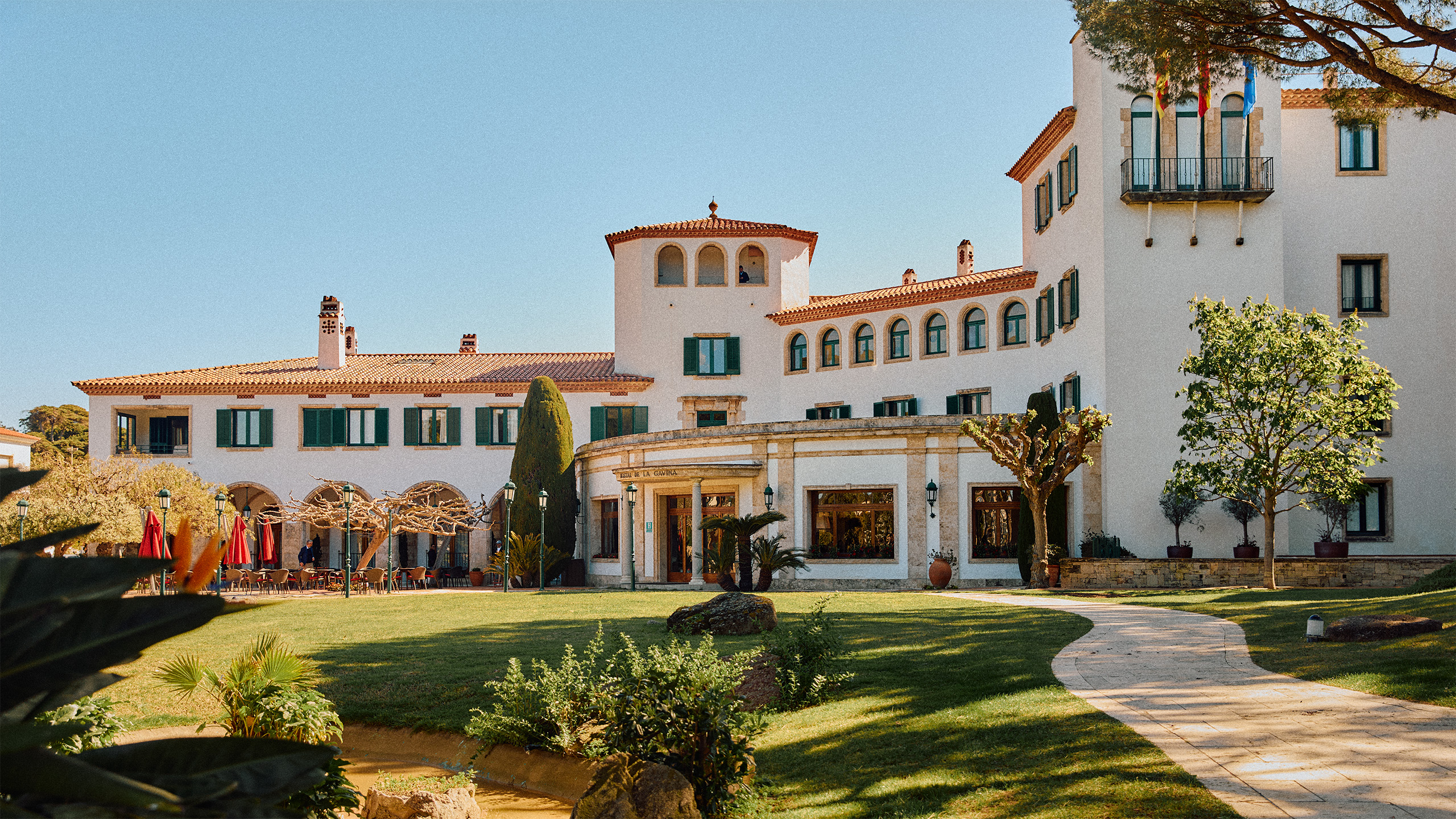
The Hostal de La Gavina in S’Agaró is a cornerstone of this region’s allure, having first put it on the map in 1932. The family that established the hotel also played a pivotal role in developing the town itself. While the hotel has undergone updates over the years, it retains an enduring charm that offers solace in an ever-changing world. From a long wall of arched windows, guests can gaze at slivers of the Mediterranean framed by meticulously trimmed foliage. The air is perfumed with the scent of grand bouquets, and a side table often holds a refreshing jug of iced tea. Now managed by the founder’s grandchildren, La Gavina remains a cherished retreat for those familiar with this stretch of the Costa Brava.
A Unique Development Approach
Interestingly, while the region pioneered Spain’s modern tourism industry in the 1930s, it has remarkably few international hotel chains. Instead, the coastal villas nestled among the pines reflect a more restrained approach to development—one that resonates with the local populace. “More than a resort, we like to call it a mansion,” says Christian Kirschner, La Gavina’s sales and marketing manager, as he guides visitors through its network of dining salons, drawing rooms, and terraces. “This is a good moment for La Gavina because the trend of design hotels seems to have run its course. People are looking to go back to their roots.”
The Vision Behind La Gavina
La Gavina was conceived as a “garden village,” a bold urban-planning initiative launched in 1924 that eventually included 160 additional villas in the surrounding hills. This project was a testament to the idealism of businessman Josep Ensesa and architect Rafael Masó, embodying the principles of noucentisme, a more austere counterpart to Catalan modernism. It aimed to attract bourgeois barcelonins seeking respite from the bustling city. Almost a third of the 150,000 square meters is dedicated to gardens, public squares, and recreational areas.
To promote the burgeoning tourism industry, Ensesa commissioned artist Enric Moneny to create a series of whimsical posters that captured his vision of an exclusive, conflict-free paradise where summer feels eternal. However, the Spanish Civil War interrupted this dream, forcing the family into exile. By the 1940s, La Gavina resumed its mission, hosting international tourism conferences and welcoming illustrious guests, including Hollywood icons like Elizabeth Taylor and Orson Welles.
A Legacy of Hospitality
The hotel’s general manager, Joan Carles Casanovas, emphasizes the ongoing narrative of hospitality. “Hotels are never-ending stories and the backdrop to grand dramas,” he explains. He points to a desk designed by the hotel’s architect, recently acquired at auction, and notes that most of the furniture is antique. The term “hostal” in the name has stubbornly remained, even as its meaning has evolved over the decades, sometimes leading to confusion among new guests. “We have found ways to improve,” Casanovas adds, “but we always protect the essence.”
Culinary Delights at Tragamar
As the sun climbs higher, the terrace tables of Tragamar restaurant in Calella de Palafrugell come alive. This charming cove, dotted with soft-hued boat sheds, is the perfect backdrop for enjoying exquisitely presented tapas. Restaurateur Tomás Taruella and his daughter, Gina, share their insights into a recent wave of culinary successions. Tomás took over this seafront gem in 2024 from his sister, who had been serving summer crowds since 1992. His company, Grupo Tragaluz, also acquired the seafood restaurant Sa Marinada in Sant Feliu de Guíxols, ensuring that the legacy of fresh, local cuisine continues.
The Itinerary: Exploring L’Empordà
For those eager to explore this captivating region, here’s a suggested itinerary:
Day One:
- Hostal de La Gavina, S’Agaró
Day Two:
- Tragamar Restaurant, Calella de Palafrugell
- Hotel Madremanya
Day Three:
- Palau de Casavells Gallery
- Mas de Torrent Hotel
Day Four:
- Toc al Mar, Aiguablava
- Hostal de Empúries
A Commitment to Preservation
Having managed restaurants across Spain for 35 years, Taruella is now focused on a guesthouse. He discovered the 12-key Hotel Madremanya after meeting its owner, who wished to retire. Nestled in a medieval village with only 280 residents, Madremanya is a labyrinth of narrow streets. “I strive to respect each location and what came before,” Taruella asserts. “It’s more important for us to feel proud of what we do than just to do business for business’s sake.” Guests are encouraged to explore nature paths on foot or by bike, while the hotel showcases a growing collection of crockery from the nearby pottery workshop Ceràmiques Pantaleu.
Artistic Inspirations
Not all historic mansions in the area serve as accommodations. The town of Púbol, a short drive from Madremanya, is home to the Castell Gala Dalí museum, where Gala, Dalí’s muse, found refuge from the artist’s eccentricities. The castle-like residence is open to the public, offering a glimpse into the surreal world of Dalí. The region’s character is often described as brusque, influenced by the unsparing Tramuntana winds that sweep down from the mountains. Laura Ballesteros, manager of the Palau de Casavells, a contemporary art gallery housed in a 16th-century estate, notes that this local disposition is defined by curiosity and a love of dialogue.
The Allure of Costa Brava
Costa Brava, meaning “Wild Coastline,” was named by journalist Ferran Agulló i Vidal in 1908, though it only gained official recognition in the 1960s to attract visitors to its untamed beauty. Dalí famously referred to the coastline’s “geological delirium,” asserting that its dramatic landscapes have a calming effect on the observer. Today, while much has changed, the essence of this Catalan enclave remains—conservative yet outward-looking, avant-garde yet deeply rooted in tradition. The Costa Brava continues to enchant those who seek both adventure and tranquility.
Address Book: Must-Visit Spots in L’Empordà
-
Hostal de La Gavina, S’Agaró
A pivotal player in transforming the Costa Brava into a Mediterranean haven, this 77-room hotel boasts a saltwater pool with stunning bay views. lagavina.com -
Tragamar, Calella de Palafrugell
Known for its leisurely meals and welcoming atmosphere, this seafood restaurant is a local favorite. grupotragaluz.com -
Hotel Madremanya, Empordà
This hotel, surrounded by rolling hills and cycle paths, offers a blend of Catalan art and design. hotelmadremanya.com -
Palau de Casavells, Empordà
A contemporary art gallery in a rustic 16th-century building, it embodies the region’s cultural identity. alzuetagallery.com -
Mas de Torrent, Empordà
A luxurious hotel featuring an art collection and a renowned chef, perfect for a relaxing getaway. unicohotels.com -
Toc Al Mar, North Aiguablava
A beloved chiringuito-style restaurant known for its oakwood grill and fresh seafood. tocalmar.cat -
Hostal Empúries, Alt Empordà
Embracing Spanish colonial style, this hotel offers coastal walks and cycling paths. hostalempuries.com
The Costa Brava is a tapestry of history, culture, and natural beauty, inviting visitors to explore its many layers and discover its timeless charm.


