Rescue Operations in Fuerteventura: A Life-Saving Mission
On a recent Saturday afternoon, a 15-year-old boy was the center of a dramatic rescue operation on the picturesque shores of El Cotillo, located in the northern part of the stunning island of Fuerteventura. The boy faced a life-threatening emergency, falling into a state of cardiac arrest combined with signs of drowning, which prompted a swift response from multiple emergency services.
The Alarm is Raised
The incident unfolded around 2 PM at Playa del Castillo, a popular beach frequented by both locals and tourists. Lifeguards on duty noticed the boy struggling in the water, exhibiting distress signs consistent with drowning. Quickly recognizing the seriousness of the situation, they immediately alerted the emergency services by dialing 1-1-2, the emergency hotline in Spain.
By the time help arrived, it became clear that the boy was in critical condition. Emergency protocols were activated as the Centro Coordinador de Emergencias y Seguridad (Cecoes) initiated resource deployment to the beach.
Swift Response from Emergency Services
The emergency response wasn’t just swift; it was coordinated. Crews from the Servicio de Urgencias Canario (SUC), the Spanish emergency medical service, quickly made their way to the scene. Upon arrival, they discovered the boy in a state of cardiac arrest. This kind of serious medical condition requires immediate action, and the SUC team wasted no time.
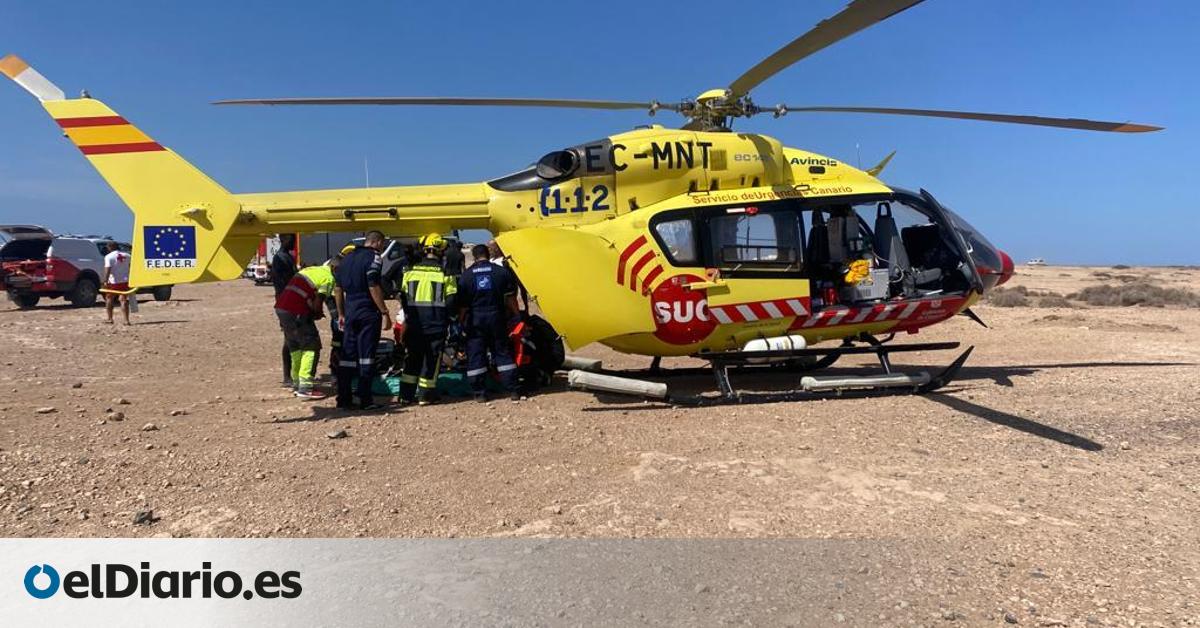
They began administering basic and advanced life support measures, which included rescue breaths and chest compressions. Their quick actions were vital in reversing the cardiac arrest before the arrival of a medicalized helicopter, which was on its way to transport the boy to a hospital.
Airlift to Medical Care
The medical helicopter arrived shortly after the SUC teams had stabilized the boy. Once in the air, the team worked diligently to ensure his condition remained stable for the journey ahead. They decided to transfer him urgently to the Hospital Universitario Materno Infantil de Gran Canaria, where he was admitted in serious condition.
This airlift signifies a critical aspect of emergency care in remote locations like Fuerteventura, where accessibility to specialized medical facilities can be a challenge. The helicopter service allows emergency responders to transport patients quickly, significantly increasing chances of recovery.
A Community Response
The rescue efforts were further supported by various organizations, including Cruz Roja (Red Cross), the municipal fire service from La Oliva, local police, and the Guardia Civil. Their role extended beyond just immediate medical aid; they were also involved in coordinating the operation and documenting the incident for legal and procedural purposes.
This collaborative effort reflects the strong community ties and readiness of local emergency services, which are crucial when lives are at stake. The incident serves as a reminder of the importance of such teams and their training, providing peace of mind to both residents and visitors to the island.
A Call to Awareness
While incidents like this underline the availability and effectiveness of emergency services, they also call attention to water safety. Drowning risks, particularly among youths and inexperienced swimmers, remain significant, especially in beautiful yet dangerous natural settings. Awareness campaigns and educational initiatives can prove invaluable in preventing such emergencies and equipping individuals with the knowledge and skills necessary for safe water activities.
In summary, the heroic and well-coordinated response to this emergency not only highlights the expertise of local first responders but also serves as a reminder of the fragility of life and the importance of community preparedness in the face of unforeseen crises.