**Medio Ambiente ·**
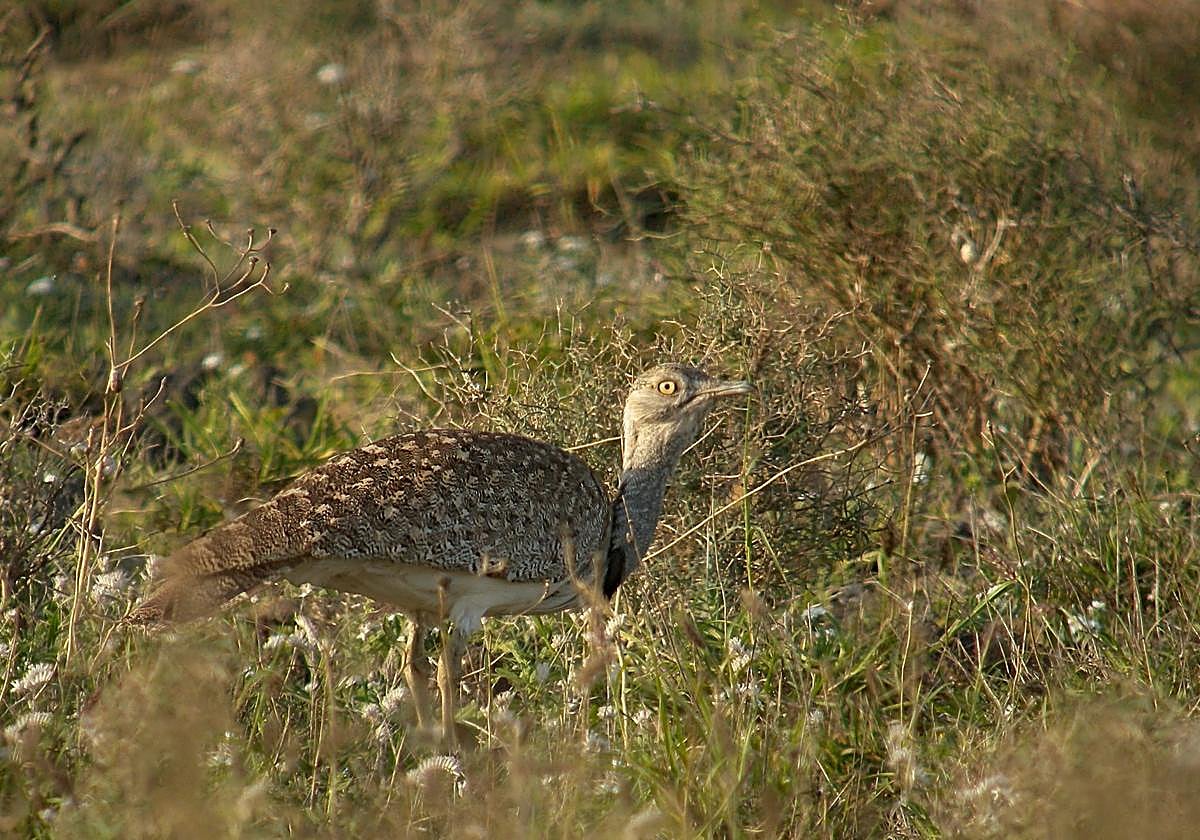
The Canary Islands are not only a paradise for sun and sea lovers, but they are also home to an array of unique wildlife. Among these, the hubara canaria, a steppe bird, has garnered attention due to its ecological significance and the protection status it holds.
Habitat Restoration Initiatives in Fuerteventura
Recently, the Canary Government, through its Ministry of Ecological Transition and Energy, allocated 346,262 euros from the European Next Generation funds for habitat restoration specifically aimed at steppe birds in Fuerteventura. This initiative emphasizes the importance of preserving biodiversity within the region, particularly for endangered species.
Focus Areas for Restoration Efforts
The restoration work will be executed in Gavias del Cárcel, which falls within the Special Protection Area for Birds (ZEPA) of Lajares, Esquinzo, and Costa de Jarugo. This area is crucial as it serves as a refuge for various bird species, including the hubara canaria, the saharan courser, the ortega bustard, and the trumpeter finch.
Key Conservation Measures
The project will implement several conservation measures aimed at combating desertification and enhancing the habitat for these protected species. Specific actions include:
-
Restoration of Degraded Lands: Some areas have been subject to deterioration, and efforts will focus on restoring these landscapes to support the local ecosystem.
-
Revitalization of Agricultural Terrains: Old agricultural lands, known as gavias, will be revitalized to create better foraging grounds for steppe-dwelling birds.
Maintenance and Protection Efforts
Alongside habitat restoration, there will be actionable strategies to manage and protect these areas effectively. Key measures are:
-
Fencing of the Area: The establishment of a fence around the farm will prevent the incursion of herbivores and unauthorized vehicles, ensuring that the habitat remains undisturbed for wildlife.
-
Clearing of Unnecessary Pathways: Efforts will be made to remove redundant pathways which might disrupt the natural habitat and encourage invasive species.
-
Installation of Deterrent Barriers: Areas that are critical for the birds will be marked, and deterrent barriers will be installed to keep traffic to a minimum.
Addressing Invasive Species
Another focal point of the restoration program will be the control of invasive species that threaten the well-being of native wildlife. This involves both the removal of such species and the introduction of suitable flora that supports the lifecycle of the steppe birds.
Combatting Desertification
The project also aims to combat desertification directly by enhancing the plant cover of the area. This involves the construction of hydrotechnical works and employing methods aimed at bolstering vegetation, thus reducing the risk of soil erosion.
These initiatives are not only pivotal for the survival of various endemic bird species but also contribute positively towards maintaining the ecological balance in the region. The actions taken today will reflect significantly on the environmental future of Fuerteventura and its unique wildlife.
Recent Developments
As the implementation of these measures unfolds, it is expected that further updates will present new contributions and successes in the efforts to conserve the unique biodiversity found within one of the world’s most remarkable archipelagos.
This conservation program underscores the importance of community involvement and the proactive steps needed to ensure the prosperity of the birdlife that defines the essence of the Canary Islands.
![[gpt_title] Rewrite this article’s title in the tone of *Fuerteventura Times* — calm, intelligent, and curiosity-driven. Keep it under 60 characters. Focus on themes like consciousness, healing, creativity, or neuroscience — avoid hype or clickbait. Make it sound soulful yet journalistic. Examples: “The Science of Stillness,” “Microdosing for Meaning,” “A New Age of Conscious Healing.” [/gpt_title]](https://cdn2.psychologytoday.com/assets/styles/manual_crop_1_91_1_1528x800/public/field_blog_entry_images/2024-05/Josh_White_Coat2-280x386_0.jpg?itok=Pr_wa2U6 "[gpt_title] Rewrite this article’s title in the tone of *Fuerteventura Times* — calm, intelligent, and curiosity-driven. Keep it under 60 characters. Focus on themes like consciousness, healing, creativity, or neuroscience — avoid hype or clickbait. Make it sound soulful yet journalistic. Examples: “The Science of Stillness,” “Microdosing for Meaning,” “A New Age of Conscious Healing.” [/gpt_title]")