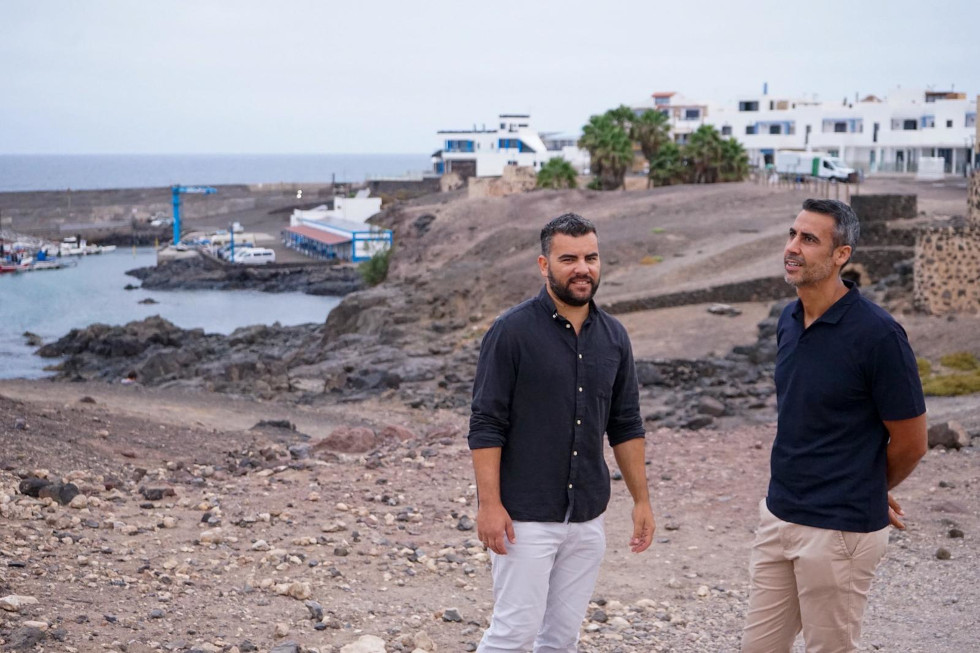
Landscapes: A Journey Through Time
Introduction to Beautiful Vistas
The term “landscapes” evokes images of stunning natural artistry, portraying the earth’s beauty in multiple dimensions. From rugged mountains to serene coastlines and everything in between, landscapes tell stories that transcend generations. Throughout history, they offer us a glimpse into the past while shaping our present. This exploration delves into various landscapes, punctuated by vivid imagery, showcasing their splendor and cultural significance.
The Essence of a Landscape
Landscapes can be divided into distinct categories: natural, urban, rural, and cultural. Each has unique attributes that contribute to the tapestry of our environment. Natural landscapes, composed of mountains, rivers, forests, and plains, evoke tranquility and awe. These terrains invite exploration and connection, offering spaces for recreation and reflection.
On the other hand, urban landscapes showcase the built environment — cities and towns packed with life. They reflect civilization’s evolution, showcasing architectural styles, population growth, and technological advances.
Rural landscapes portray the serene lifestyle of agricultural lands and small towns. The open fields, cottage-style homes, and farm animals become symbols of community bonds and a simpler way of life. Cultural landscapes, often overlooked, reveal how societies have adapted and molded their environments to fit their needs and beliefs.
Showcasing Specific Landscapes
Morro Jable: A Stunning Coastal Village
Morro Jable, located on the southern tip of Fuerteventura, impresses visitors with its picturesque beaches and charming architecture. Historically a humble fishing village, Morro Jable has transformed into a lively tourist locale. Photographs captured by Antonio Saavedra Díaz illustrate its evolution aptly. From intimate seaside views to bustling markets, these images offer a vivid perspective on the blend of natural beauty and human life. One particular image shows the iconic sunset behind the village, a moment of serenity for all who witness it.
The Transformation Over Time
Images also reveal Morro Jable’s changes, such as the transformation seen in a photo of the area “Before the Lighthouse.” This iconic landmark not only serves as a navigation point but stands as a testament to the village’s maritime history. The gradual transition from the tranquil fishing grounds to a tourist hotspot holds stories of resilience and adaptation.
The Richness of Rural Life
When exploring the rural landscapes of the Canary Islands, one uncovers both stunning vistas and rich histories. Photographs such as “Inundaciones de Lajares in 1984” taken by Paco Melián Santana showcase the impacts of natural phenomena on community life. These images remind us of the strength and unity shown by communities during challenging times.
Rural settings like La Oliva, often featured in historical photographs, reveal traditional architecture deeply rooted in cultural practices. The depiction of the traditional majorera house invites viewers to appreciate the craftsmanship and history embodied in these structures.
Urban Landscapes in Context
Puerto del Rosario, as captured by Teresa Herrera Domínguez, exemplifies the vibrant urban life found within the Canary Islands. The bustling ports, painted with colorful boats and lively markets, tell a narrative of commerce, culture, and community. Similarly, the portrayal of Corralejo captures an eclectic mix of modernity and tradition through its streets lined with shops and eateries.
Images of public spaces, such as the Muelle Grande and La Vega, emphasize the cities’ roles in connecting people with their environments. They are places of gathering, where stories unfold and communities thrive.
Cultural Heritage in Landscapes
Cultural landscapes transcend mere physical attributes, weaving history, tradition, and identity into the very soil. Each photograph becomes a portal between past and present. For instance, historical views of Betancuria and La Oliva highlight the architectural styles that define these locations, showcasing a blend of Spanish influence and local traditions.
The inclusion of images capturing local festivities adds another layer, showing how landscapes serve as a stage for communal expressions, reinforcing ties to cultural identities and traditions.
The Intertwining of Nature and Culture
As we gaze through the lens of these landscapes, we begin to understand how interconnected our natural surroundings are with cultural identity. These views do not simply represent geographical locations; they symbolize a way of life that has been adapted over centuries. The fishing villages, agricultural practices, and urban environments all share a narrative—the story of human endurance and adaptation to nature’s whims.
The Importance of Preservation
Encouraging a deeper appreciation for these landscapes might foster a stronger commitment to their preservation. Every photograph captures a moment, an essence that deserves to be cherished for future generations. Understanding the historical significance of these landscapes can inspire action towards conservation efforts, ensuring their beauty and stories endure.
Through landscapes, we can better comprehend the nuances of human experiences and the places we call home. They shape our memories, experiences, and ultimately, our identities. Each image, rich with history and emotion, serves as a reminder of our connection to the earth and each other, solidifying our bond with the landscapes that surround us.
In essence, landscapes are not just mere backdrops; they are integral to our shared human experience. They continue to inspire awe and connect us to one another across time, spanning ages and cultures. As we explore them, we uncover the threads that link communities, reflecting our collective journey through life.