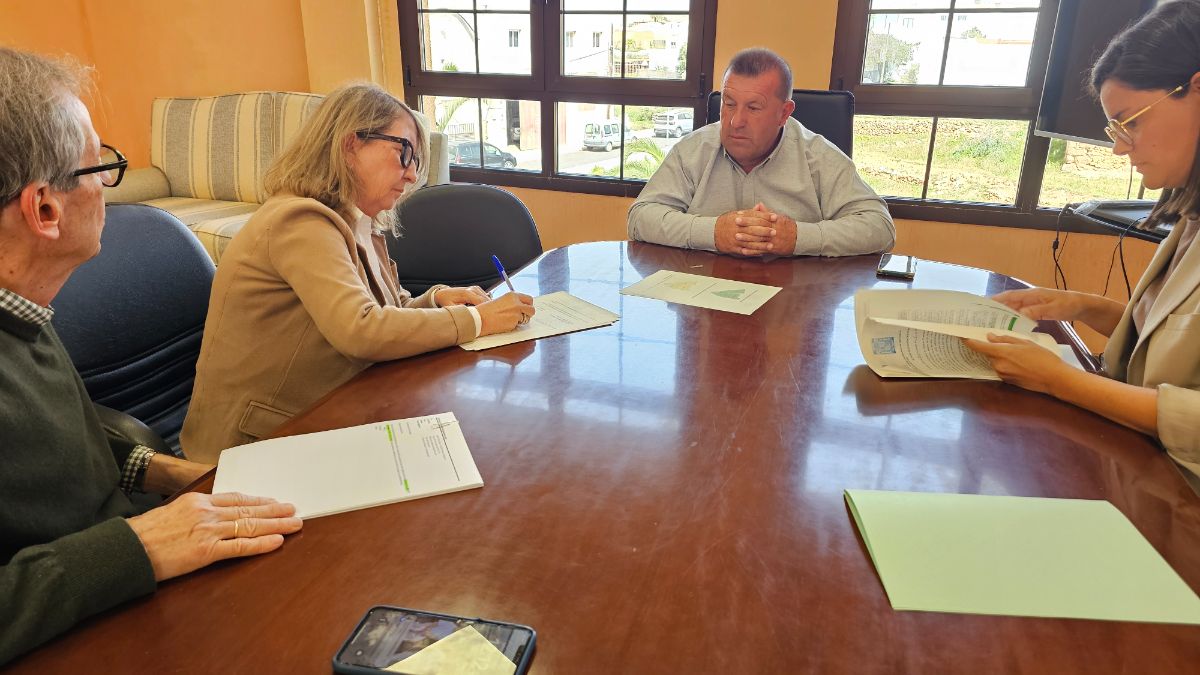
Local Government: A Constrained Leadership
Local government dynamics can often dictate the effectiveness and responsiveness of community services. In a recent scenario, the local administration has essentially been reduced to two primary figures: the mayor, Enrique Cerdeña, and another council member, José Cerdeña. The significance of this situation cannot be overstated, especially considering that another councilor is not actively engaged in decision-making. As expressed by Pérez, this limited leadership structure further constrains the government’s capacity to manage affairs during a particularly sensitive period for the municipality.
Questioning Leadership Decisions
In an environment where teamwork and collective oversight are crucial, Pérez openly voices skepticism about the decision-making processes within the governing body. “The departure of the deputy mayor did not surprise me,” he claims, indicating a degree of dissatisfaction and perhaps disillusionment with the current political direction of the town hall. Pérez believes that the decisions being made by those “upstairs” are often perplexing and lack transparency. This raises important questions about accountability and communication within the local government.
Educational Initiatives Under Fire
Education is a cornerstone of community development, and one pressing issue raised by Pérez is the implementation of school meals in unitary schools, a point strongly advocated by Esperanza González. Despite the growing demand for such services, the local government has, at least for now, remained unresponsive to these calls. González had proposed a budget allocation of 30,000 euros to enable meal services at the school with the highest student enrollment in Valle de Santa Inés, but her appeals went unanswered.
Pérez emphasizes the critical role these meal programs could play in sustaining unitary schools. Without such essential services, families face challenges in balancing work and childcare, an issue that exacerbates the risk of depopulation in the community. The lack of school meals also highlights the systemic issues in addressing the needs of the populace effectively and sustainably.
Questions of Resource Allocation
The governing body’s refusal to implement necessary educational services stands in stark contrast to their decisions regarding resource allocation. For instance, nearly 20,000 euros has been earmarked for enhancing an educational facility in Vega del Río Palmas, a center that has remained closed for over 15 years and is now slated for conversion into a hostel. Pérez finds this decision incongruent, stating simply, “It doesn’t make sense.”
He urges for a more coherent approach to public resource management. Each decision should ideally reflect the genuine, long-term needs of the community rather than aspire to fulfill projected ambitions that may lack immediate relevance.
The Bigger Picture
These decisions—or lack thereof—reflect deeper systemic flaws within the local governance structure. As relationships become strained and roles are limited, the repercussions are felt throughout the community.
It is crucial to not only advocate for essential services that contribute to the community’s quality of life but also to question the logic and rationale behind various investments. This ongoing dialogue about priorities and accountability is vital for fostering a responsive and effective local government that truly reflects the needs and desires of its constituents. The community’s future hinges on such discussions, particularly in trying times when collaboration is more necessary than ever. The path forward will demand vigilance, engagement, and a commitment to transparency in governance.