Fuerteventura’s Battle Against Invasive Plant Species: The Case of Carrizo
Background of the Initiative
In the pursuit of ecological balance, the Cabildo of Fuerteventura has recently initiated an ambitious project aimed at eradicating the invasive species known as carrizo from the Saladar de Jandía. This important environmental undertaking has received backing from the European Union via the Canarias Feder Program 2021-2027. The motivation behind this effort is not just to remove a problematic plant, but to preserve and revitalize the native flora that is increasingly threatened by invasive species occupying dwindling natural spaces.
Addressing the Invasion Problem
The fight against invasive plant species has become a pressing issue for the Cabildo as highlighted in their public communications. These exotic species often hinder the growth of indigenous plants, leading to a decline in biodiversity. The Saladar de Jandía, recognized for its significant environmental value, is at the center of this challenge. President Lola García emphasized the urgency of the situation, reinforcing the commitment of the local government to counteract the adverse effects of invasive species while promoting the regrowth of native vegetation.
Innovative Techniques for Control
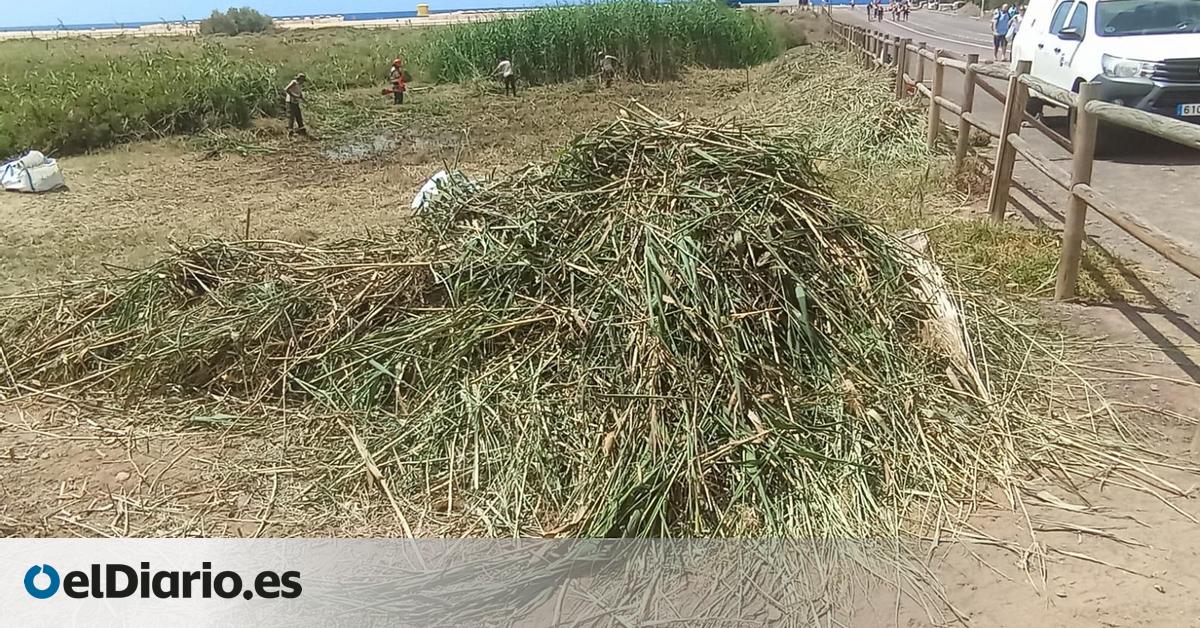
The eradication project employs a promising technique to manage the issue of carrizo, which involves cutting the plant at its base and subsequently covering it with specialized sheets. These sheets serve a crucial purpose: they prevent the invasive plant from regrowing, thereby offering a clean slate for the ecosystem to recover. This strategic method not only targets the existing problem but also lays the groundwork for a more sustainable approach to environmental conservation.
Goals and Objectives
The primary goal of this project is not merely to remove carrizo from El Saladar but to ensure that the native flora can reclaim its territory. Once the initial control of carrizo is established, the next phase involves encouraging the natural repopulation of native plant species. Planned over a span of six months, this initiative will tackle a significant area of approximately 2,000 square meters, demonstrating the commitment to restoring the ecological integrity of this unique wetland.
Collaborative Efforts
The Cabildo’s Environmental Services, led by Carlos Rodríguez, is spearheading this initiative, collaborating closely with Gestión y Planeamiento Territorial y Medioambiental (Gesplan), which provides the necessary personnel and tools for the operation. This collaborative approach is vital to ensure the success of the project, drawing on past initiatives like the pilot program Fuerteventura, bonita por naturaleza. The experience gleaned from these earlier efforts has proven invaluable in shaping the current strategy, allowing for a more refined and effective response to the invasive species challenge.
European Support
This project is firmly embedded within the broader context of the Canarias Feder Program 2021-2027, specifically aimed at fostering adaptation to climate change and enhancing resilience against environmental hazards. By taking an ecosystem-based approach, this initiative not only seeks to control invasive species but also aligns with wider objectives for environmental sustainability across the Canary Islands.
The Road Ahead
As the Cabildo of Fuerteventura embarks on this essential undertaking, the collaborative efforts, innovative methods, and structured goals signify a promising step toward ecological restoration. The focus remains on creating a thriving environment where native species can flourish, thus reinforcing the island’s rich biodiversity and ensuring the preservation of its unique ecosystems for future generations.