Exploring the Rich Heritage of the Majo People at the Archaeological Museum of Betancuria
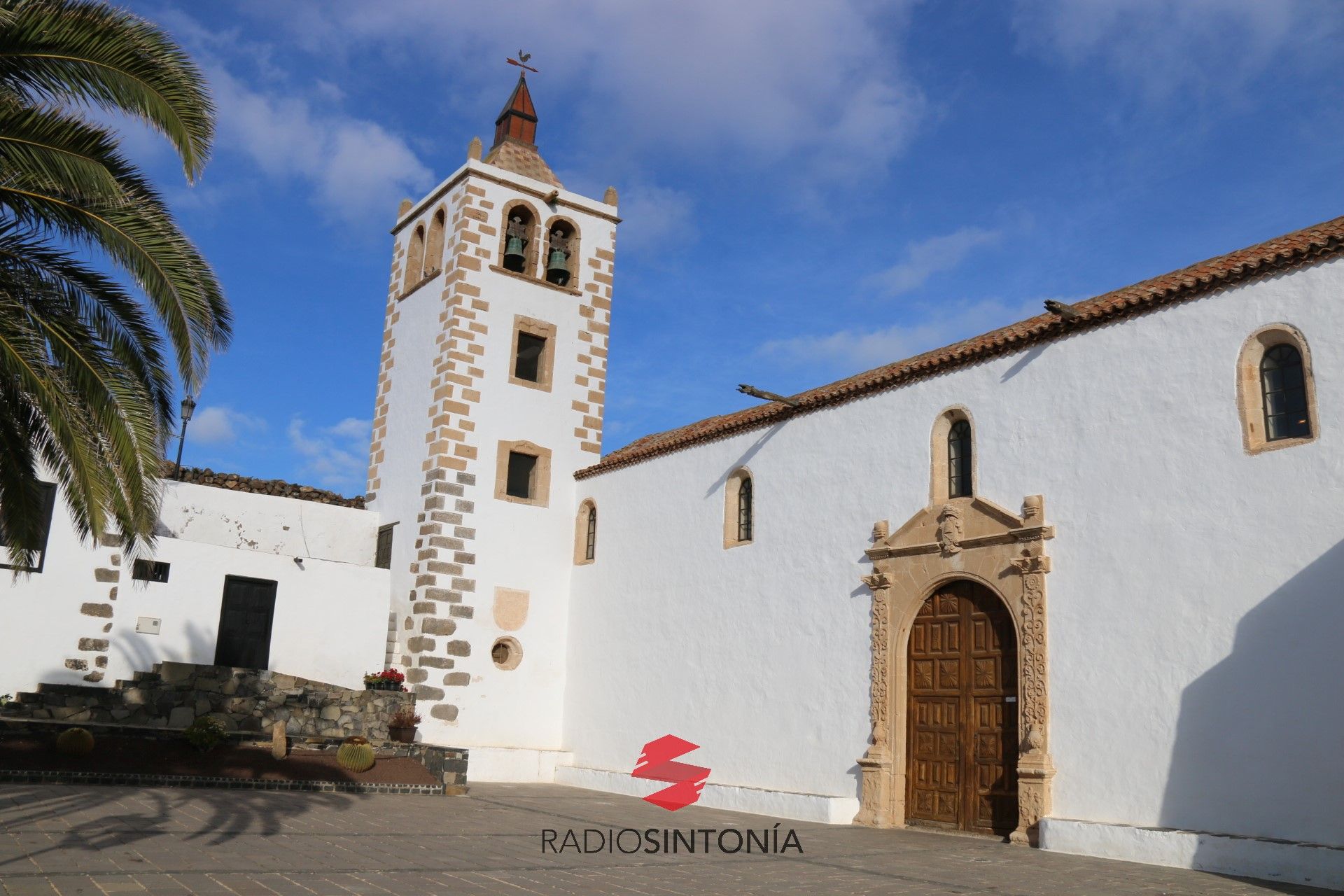
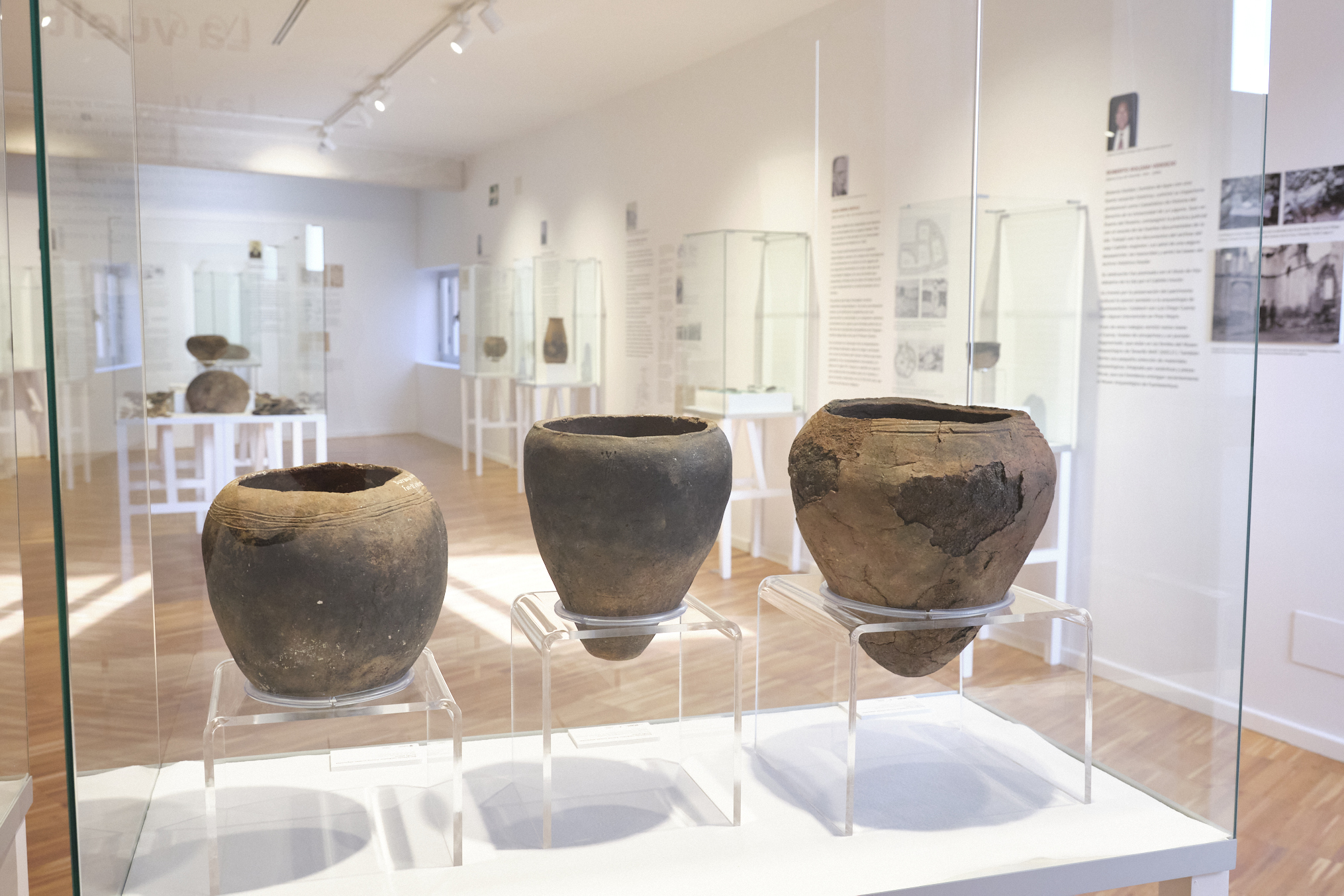
The Archaeological Museum of Betancuria has unveiled a captivating temporary exhibition titled “De vuelta a casa. El legado del pueblo Majo” (Back Home: The Legacy of the Majo People). This display offers a rare opportunity to delve into the material culture of the island’s earliest inhabitants, showcasing their exquisite ceramics, unique plates, hand mills, and tools from the lithic industry.
Opening Ceremony and Attendees
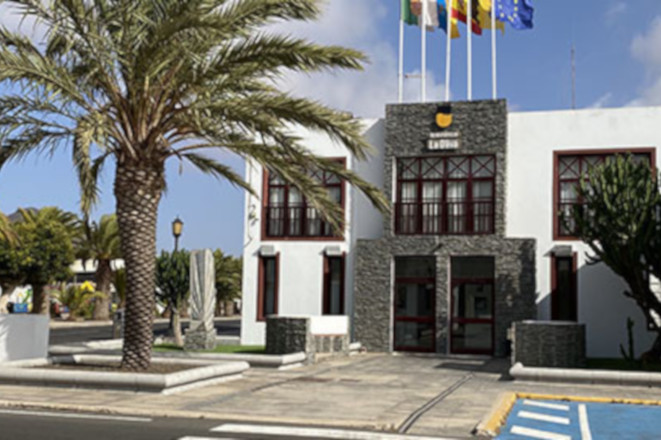
The inauguration of the exhibition was marked with significant attendance from local dignitaries and cultural advocates. Notable figures included Sergio Lloret, the president; Marcelino Cerdeña, the mayor of Betancuria; Daniel Pérez Estévez, director of the Museo Canario; and Conrado Rodríguez, director of the Museo Arqueológico de Tenerife. Their presence underscored the importance of this exhibition within the context of Fuerteventura’s cultural heritage.
Purpose and Significance of the Exhibition
The driving aim of this exhibition, produced in collaboration with both the Museo Canario and the Museo Arqueológico de Tenerife, is to situate in Fuerteventura the materials from the Majo people that left the island starting from the late 19th century. By presenting these artifacts in their original setting, visitors gain insights into the lives and cultures of the island’s first settlers. This provides a poignant exploration of Fuerteventura’s historical narrative.
Key Contributions from Partner Museums
The Museo Arqueológico de Tenerife has generously contributed 28 vessels that reflect the Majo culture, alongside an impressive assortment of artifacts: 352 ceramic fragments from various island sites, 42 lithic tools, and 174 bead plates, as well as bioanthropological remains. This diverse collection allows visitors to appreciate the craftsmanship and ingenuity of the Majo people.
In addition to this, the Museo Canario offered 11 vessels from the indigenous population of Fuerteventura, along with 169 ceramic fragments, 81 lithic pieces, and 28 anthropological remains. The collaboration enhances the exhibition’s scope, resulting in a comprehensive portrayal of the archaeological wealth preserved in the Museums.
Acknowledgments
During the inauguration, President Sergio Lloret acknowledged the contributions of various authorities and cultural professionals present that day. He extended his gratitude to the Roldán Verdejo family for their generous donation of materials to the Archaeological Museum, which enabled the exhibition to come to life.
Voices of Recognition
Daniel Pérez, director of the Museo Canario, praised the exhibition’s curators, expressing confidence that visitors will enjoy learning about Fuerteventura’s heritage and the lives of the Majo people. He emphasized the exhibition’s role in paving the way for future insights into island history.
Conrado Rodríguez also expressed his appreciation, acknowledging the dedication of Nacho Hernández and the team from the Fuerteventura Cabildo. Similarly, Isabel León Pérez highlighted the value of inter-institutional collaboration, which enriches the exhibition experience for attendees. She paid tribute to Hernandez for his years of cultural promotion, noting the efforts made since 1984.
The Roldán Verdejo Collection
One of the precious collections featured in the exhibition originates from Roberto Roldán Verdejo, a prominent figure who worked with vital documents from the old Cabildo majorero. His tireless transcriptions were instrumental in preserving these documents and establishing the Insular Historical Archive. His passion for the cultural heritage of Fuerteventura also led him to archaeology.
The collection includes two ceramic vessels, a basalt hand mill, five lithic tools, and 25 intricately decorated ceramic fragments from the Cueva de Esquinzo, located in the village of Tindaya. These items not only spotlight the craftsmanship of the Majo people but also emphasize the significance of archaeology in understanding the past.
A Journey Through History
The “De vuelta a casa. El legado del pueblo Majo” exhibition invites visitors to step into the world of the Majo people, uncovering layers of history through their beautiful artifacts. By bridging the past and the present, this display fosters a deeper connection to Fuerteventura’s unique identity and rich cultural heritage. Whether you’re a history enthusiast or someone curious about the island’s roots, this exhibit promises an enlightening experience that shouldn’t be missed.