Fuerteventura: A Closer Look at the Ethnographic Value of Puertito’s Houses in Isla de Lobos National Park
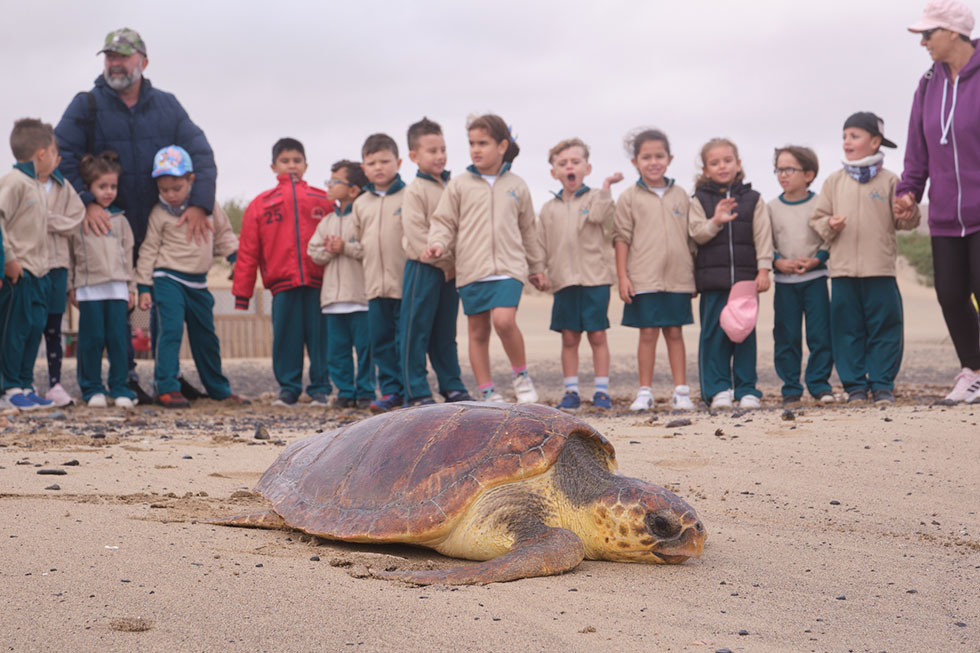
Fuerteventura, one of the stunning Canary Islands, is known for its unique landscapes, rich culture, and significant natural areas. Among these is the Isla de Lobos, a captivating islet that is part of a protected national park. Recently, a discussion surrounding the redevelopment and management of this ecological treasure has emerged, particularly concerning the historiographical significance of the existing houses in Puertito, drawing attention to their ethnographic value.
Community Involvement in Natural Resource Management
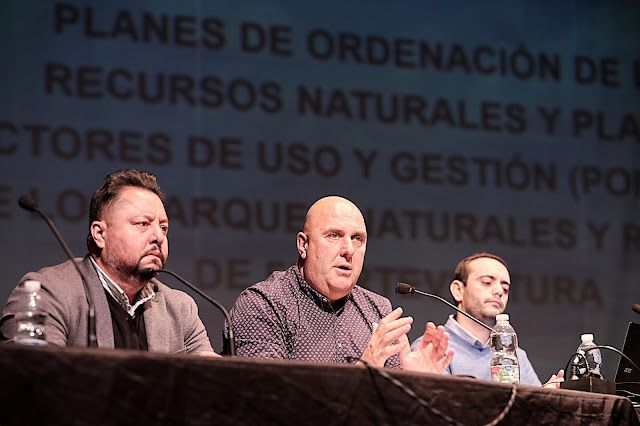
On February 9, 2023, Sergio Lloret, the President of the Cabildo de Fuerteventura, along with Tourism Councillor Celino Umpiérrez, held an open meeting with residents and community associations from La Oliva. The objective was clear: to discuss draft plans for the management and protection of natural resources (PORN) and the usage rights (PRUG) for two key areas: the Dunas de Corralejo and Isla de Lobos. This meeting aimed to allow the community to voice their opinions and suggestions that could enhance these essential protective documents.
Engaging locals in this discussion illustrates a commitment to cooperative planning. The plans under discussion aim to provide necessary protections for these areas while also acknowledging the needs and concerns of the local population.
Addressing the Historical Context
One significant topic of debate was the lack of a comprehensive management strategy for the diverse natural parks and rural spaces across the island. Lloret emphasized the importance of these documents as mechanisms to safeguard and regulate how various spaces are used. He stated, “We wish this process had begun sooner. There are now 15 planning instruments we are advancing from the Territorial Planning Service of the Cabildo. It has taken time, but they are finally underway.”
It’s noteworthy that Lloret indicated the primary goal of these plans is to create a balanced framework between preserving the island’s resources and ensuring public enjoyment, particularly concerning the Dunas and Isla de Lobos.
The Heritage of Puertito’s Houses
The conservation of the houses in Puertito, which are significantly affected by the Coastal Law, was a principal issue raised by the local inhabitants. Some residents underscored that these structures should be understood not merely as buildings but as embodiments of the region’s historical and cultural narrative.
In his remarks, Lloret highlighted that the Cabildo views these houses as part of Fuerteventura’s historical heritage. He stated, “We believe this is part of the historical legacy of Fuerteventura. We have consulted our drafting team to study the history of the Lobos houses. Indeed, there are historical values that justify their designation as an ethnographic interest zone.”
The acknowledgment of such heritage further emphasizes the significance of contextualizing how these buildings relate to both the island’s history and its ecological conservation efforts.
Redefining Infrastructure and Access Routes
Another critical topic that surfaced during the meeting was the status of the ‘carretera de las Dunas’ within the Insular Road Network. Lloret noted that while it may no longer be called a ‘road,’ there is an intention to ensure it remains a vital access route within the natural park. He asserted, “We need to recognize it as access that allows engagement with the space and enjoyment of the beaches, aligning with the park’s status and preserving its unique ecosystems.”
His emphasis on re-evaluating such infrastructures within the context of ecotourism reveals a proactive approach to balancing modernization with environmental stewardship.
Balancing Ecotourism and Preservation
Community members also raised concerns regarding the impact of tourism on the natural spaces, particularly during peak seasons. The rise in visitor numbers has the potential to strain these delicate ecosystems and interfere with the sustainability efforts of the island.
In addressing these concerns, Lloret mentioned that one of the key objectives communicated to the drafting team is to factor in sports, cultural activities, and events that currently lack inclusion in the existing PRUG. This approach indicates a recognition that the local economy and tourism can coexist alongside environmental preservation, as long as activities are properly managed.
Future Provisions and Local Engagement
Umpiérrez reiterated tourist concerns, especially regarding major local events like the Half Marathon and the International Kite Festival, which significantly enhance the local economy. He emphasized the importance of leveraging these events while ensuring they align with conservation goals.
Moving forward, Lloret encouraged ongoing public participation, inviting residents to share insights or concerns that could lead to improvements in future management strategies. “This meeting aimed to ensure we are considering all community inputs,” he mentioned.
In addition, matters such as protecting the Roman archaeological site of Playa de La Concha, creating a network of trails, and ensuring necessary visitor facilities emerged as priorities for discussion. Balancing visitor capacity while preserving the ecological integrity of the island reflects a comprehensive approach to responsible tourism.
The discussions that transpired in Fuerteventura embody a vital step toward fostering community engagement in conservation efforts, while also addressing the nuanced relationship between heritage, tourism, and natural resource management.