Fuerteventura’s Challenges: Housing and Employment Strategies
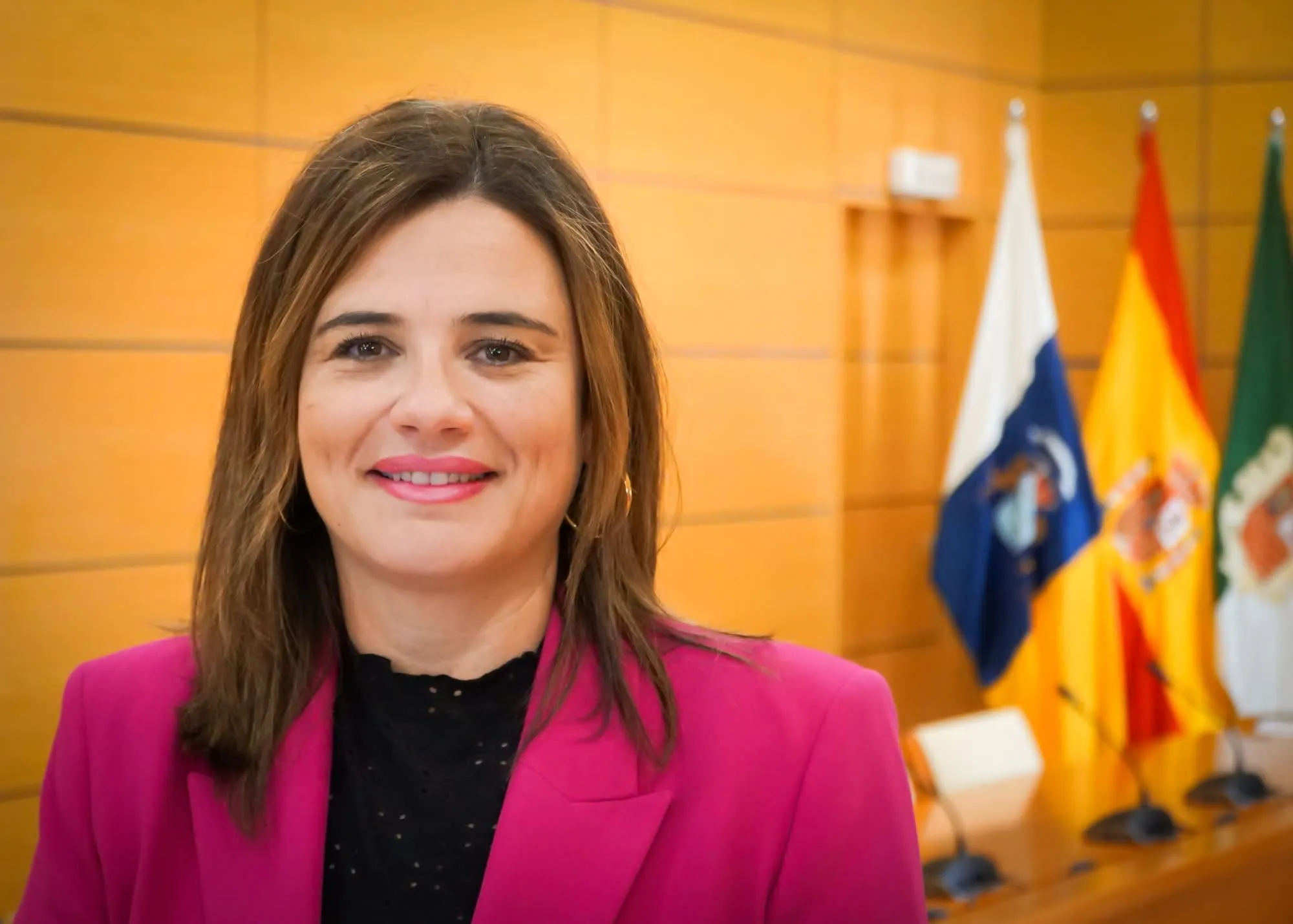
By Nuria Cabrera, Local Secretary of AM-CC Puerto del Rosario and Spokesperson at the Cabildo of Fuerteventura
The Complexity of Political Governance
Politics should never devolve into a mere contest of slogans. Effective governance requires rigor, coherence, and financial responsibility. Recently, critical debates surrounding housing and employment have emerged in Fuerteventura, underscoring the need to clarify our position and outline the steps we are actively taking.
Housing: Moving Beyond Empty Promises
Housing stands out as one of the most pressing challenges facing our island. However, it is equally a subject that invites oversimplification.
During a recent plenary session, a motion arose proposing the use of funds from the FDCAN (Fondo de Desarrollo de Canarias) for the construction of new homes. Our stance was straightforward: we did not oppose the construction of housing; rather, we objected to a proposal that lacked technical viability. The FDCAN, managed by the regional government, allocates 19 million euros annually to the Cabildo, funds that are already earmarked for essential island infrastructure.
In reconsidering the allocation of those funds, we must ask the critical question: which project will lose its financing? Will it impact the sports complex in Antigua? The facilities in Puerto del Rosario? Or perhaps the Lajares bypass, which local residents have sought for safety? Governing requires prioritization; we cannot make promises about resources that have already been allocated.
Thus, we are pursuing an alternative path: utilizing the Cabildo’s own funds to cooperate with municipalities in building and rehabilitating houses. Over 50 million euros from the island’s budget are directed towards housing policies in collaboration with towns like Puerto del Rosario, La Oliva, and Pájara, and we continue to engage with others.
It’s crucial to understand that the Cabildo cannot single-handedly resolve a structural issue affecting all of the Canary Islands and the entire nation. Comprehensive strategies necessitate institutional coordination, availability of municipal land, support from the Canary Island government, and the harnessing of European funds.
Promising immediate solutions would be disingenuous. Instead, we can guarantee meticulous planning, the use of our own resources, and collaborative efforts to improve the situation in the medium term.
Equally important is the need for balance: we should promote new housing while also prioritizing the rehabilitation of existing structures and preventing unnecessary land consumption. Political responsibility extends to the sustainability of our territory.
Employment Plans: Upholding Institutional Respect
When it comes to social employment plans, I want to emphasize an essential principle: decision-making criteria are not dictated by politicians sitting in offices. Instead, they are defined by the FECAM (Federation of Municipalities of the Canary Islands) and implemented by municipal technical services alongside the Canary Employment Service. Undermining these processes not only attacks the credibility of our institutions but, most importantly, jeopardizes opportunities for those in vulnerable situations.
Our duty is to ensure that procedures are followed so that those in real need can access these opportunities.
Regarding the PFAE (Plans for Employment in the Canary Islands), recent changes in state regulations created a tangible legal problem: we were unable to hire teaching staff as we had previously done, nor did we have our own employment pools in this domain. Continuing without legal assurance would harbor a larger risk. This was a difficult decision, but governing requires acting responsibly, even when it may not be the easiest choice.
Practical Politics Over Constant Confrontation
I fully understand that the opposition must carry out its role; this is essential in a democratic system. However, I also believe that the public expects more than incessant conflict. Citizens desire solutions, cooperation, and elevated institutional dialogue.
We are navigating a political climate easy to fall prey to premature electoral strategies. Nevertheless, my responsibility—as local secretary in Puerto del Rosario and spokesperson at the Cabildo—lies in focusing on daily management, consistent work, and defending decisions that may not always be popular but are nonetheless vital.
Governing entails listening, explaining, and assuming responsibility. It also demands maintaining composure when others opt for chaos.
Fuerteventura requires robust institutions, inter-administrative dialogue, and a genuine commitment to the structural issues we face. This is the path we advocate and will continue to actively pursue.


