New Infrastructure Development in La Oliva: Enhancing Mobility and Quality of Life
Overview of the Project
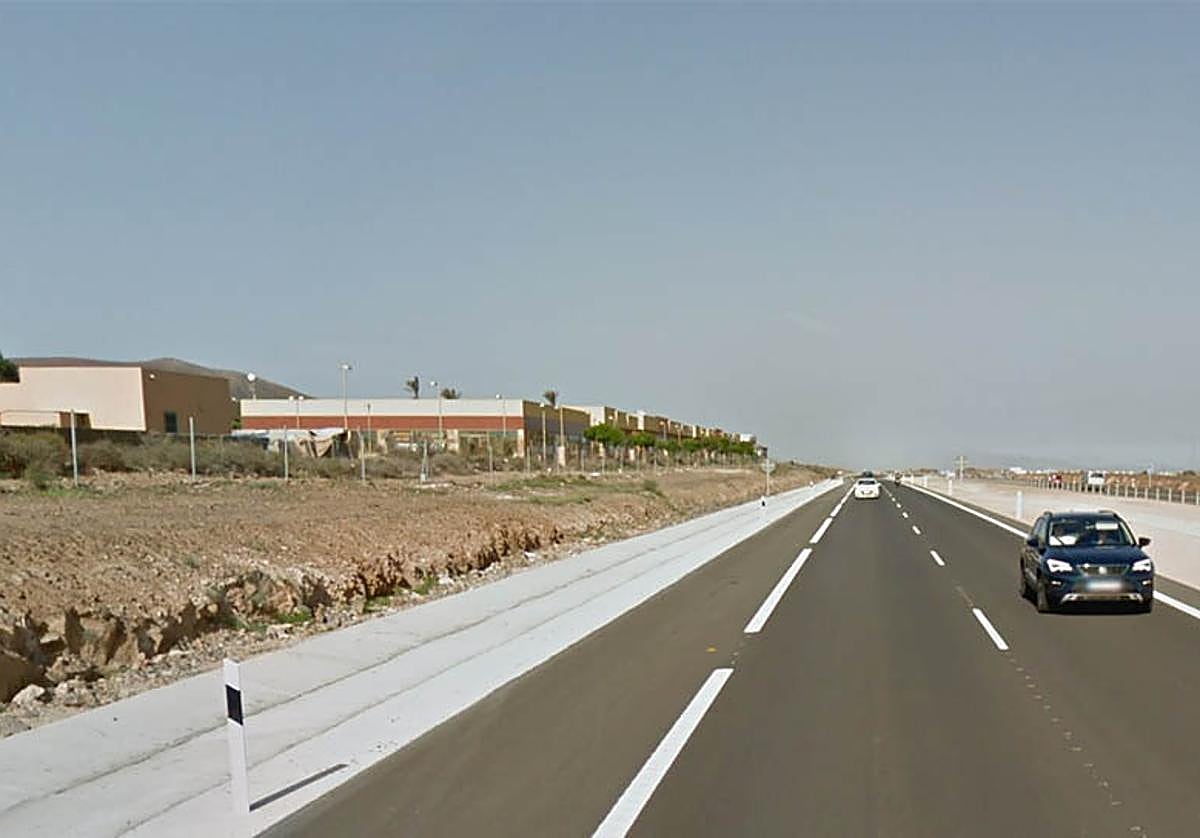
The “Consejería de Obras Públicas, Vivienda y Movilidad” has taken a significant step forward in improving the infrastructure of La Oliva, a municipality in the Canary Islands. Through the Dirección General de Infraestructura Viaria, the government has approved the construction of complementary works along the FV-1 highway, particularly in the section connecting La Capellanía to Corralejo. With a budget of €1,847,268—including IGIC (Impuesto General Indirecto Canario)—this project aims to address long-standing community needs.
Enhancing Safety with Noise Barriers and Cycling Tracks
One of the core elements of the proposed development is the installation of sound barriers in urban areas adjacent to the highway, aimed at reducing noise pollution for nearby residents. This addition highlights a growing commitment to safeguarding quality of life in rapidly developing regions.
Accompanying these sound barriers, the plan includes the construction of an adjacent bike lane. This innovation promises to foster safer and more diversified mobility options for both residents and visitors. For years, locals have sought a secure pathway to cycle between La Capellanía and Corralejo, and the new bike lane represents a major leap in meeting that demand.
Community Impact: A Response to Historical Needs
Local residents have long expressed their desire for enhanced safety and accessibility in their daily travels between these key points. Isaí Blanco, the Mayor of La Oliva, emphasized that this initiative is a response to “a historical demand from the community.” His words signal a commitment to listening to the voices of the public and acting on their collective aspirations.
“This is undoubtedly an important step that brings us closer to realizing this improvement, thanks to collaborative efforts among various government bodies,” Blanco stated, reinforcing the project’s significance not just for infrastructure, but also for community solidarity.
Regional Insights: A Vision for Sustainable Infrastructure
Pablo Rodríguez, the regional councilor, spoke about the broader implications of this project, noting its potential to improve sustainability in urban infrastructure. His remarks reflect an understanding of contemporary urban issues, emphasizing the importance of investing in both physical infrastructure and the wellbeing of the community. “This initiative will elevate the quality of life for individuals by enhancing our mobility options while considering environmental impact,” he remarked.
Future Prospects for Urban Mobility in La Oliva
As La Oliva continues to evolve, the focus is shifting towards creating inclusive and eco-friendly urban environments. The FV-1 improvements signal a commitment not only to modern transportation solutions but also to the wellbeing of the municipality’s residents. By incorporating cycling lanes and reducing noise pollution, the project is setting a template for future urban planning initiatives.
By addressing the historical needs of the community with thoughtful solutions, the government is paving the way for a future where mobility is not just about transportation but also about connecting people, improving safety, and fostering sustainability. The anticipated developments reflect a growing recognition that urban infrastructure must prioritize human experience and the environment.
Visualizing Progress
To put these developments into perspective, a photograph captures Mayor Isaí Blanco alongside Councilor Pablo Rodríguez during their visit to the construction site of social housing in Corralejo. This image not only illustrates their commitment to the mobility project but also serves as a visual reminder of government accountability and community engagement in La Oliva.
In summary, the soon-to-be-implemented upgrades along the FV-1 highway pertain to a multidimensional vision for the future of La Oliva, emphasizing safety, mobility, and community voice in various administrative processes.