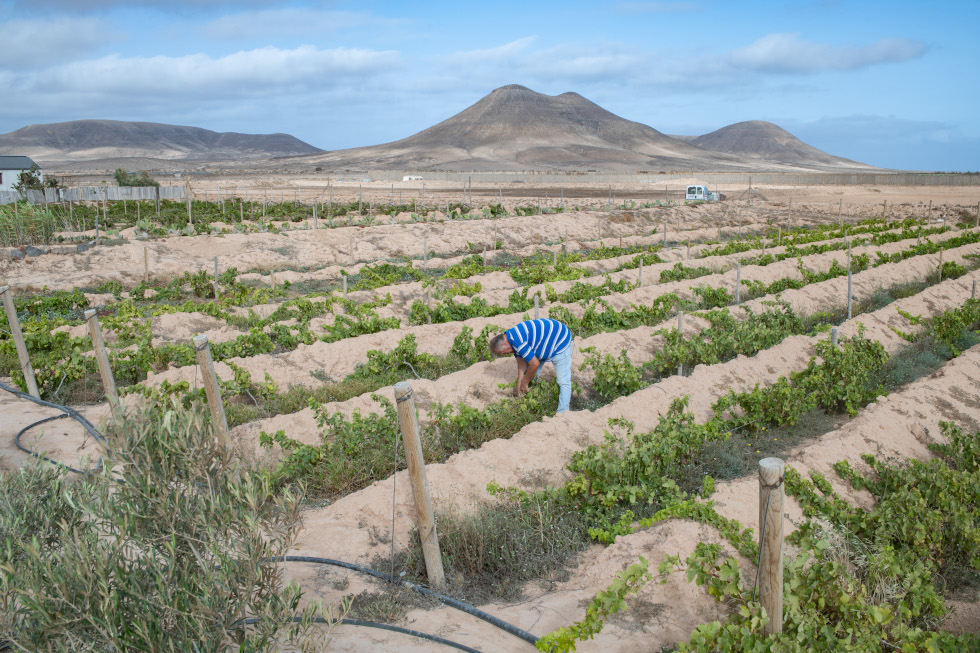
The Heroic Struggle of Fuerteventura’s Grape Harvest
“It is an act of heroism to carry forward this year’s harvest in Fuerteventura, ” says Leonardo Ramírez, president of the Majuelo Association of Winemakers. This sentiment encapsulates the challenges faced by vineyard owners on the island, who have battled adverse weather conditions and a critical water shortage this season.
The State of Viticulture in Fuerteventura
Fuerteventura boasts around 30,000 vines spread across various grape varieties, as reported by the Majuelo Association. Despite the obstacles, including severe drought impacting the agriculture sector, Ramírez assures that the “good quality” of the grapes makes the effort worthwhile. The current harvest seems promising, with expectations to collect around 30,000 kilos of grapes, most of which will be distributed across the Canary Islands.
However, this year is marked by a significant decline in red grape production, one of the island’s primary varieties. As Ramírez notes, although more vineyards have been planted, many are newly established and still in their growing phase. The timing of the irrigation issues coincided with the critical growth phase of the plants, thus impacting their yield.
The Importance of Water in Viticulture
“The life stages of the vine are vital, and if it suffers from a lack of water, it won’t produce the expected clusters,” explains Ramírez. Newly planted vines require more water, and without adequate irrigation, the earlier investments in cultivation bear little fruit. This year, high temperatures in March and April further complicated matters, disrupting flowering processes.
Despite these challenges, the ingenuity of local farmers has shone through. Using improvised water tanks, they have managed to maintain some level of production, which highlights the resilience of Fuerteventura’s viticulturists.
The Unique Local Varieties
The viticulture of Fuerteventura is primarily characterized by its local grape varieties and a focus on the indigenous Majorera strains. The Majuelo Association strives to promote these native varieties, and Ramírez expresses a desire to recover the endemic Majorera, a grape unique to the island. Unfortunately, support for this project waned after changes in the island’s government, affecting the efforts to revive this historical variety.
One of the main initiatives of the association is to educate its members on wine production and maintenance of table grape vines. The presence of an agricultural engineer within the team allows farmers to seek guidance not just on vine care but also on starting their own wineries.
Improving Wine Quality Through Education
Given the importance of knowledge in enhancing wine quality, the Majuelo Association offers various courses to improve the skills of local producers. “Thanks to the training we provide, our members are acquiring greater knowledge, which is reflected in the quality of their production,” Ramírez emphasizes. This year, there are optimistic forecasts that the wines will surpass last year’s quality.
The association has also established a laboratory for wine analysis, available to both members and the public. This facility, located in the Museums of Fuerteventura, serves as a center for experimenting with traditional varieties and aiding the recovery of the Majorera grape.
Historical Significance of Fuerteventura’s Vines
Fuerteventura has the historical distinction of being the first island in the Canary archipelago to cultivate vines. The push to recover its indigenous varieties is fueled by studies from the University Rovira i Virgili, revealing distinct qualities of the examined vines. Ramírez aims to safeguard the unique endemic Majorera grape, which he regards as a treasure worth preserving.
Despite the challenges of politics and funding, the Majuelo Association continues to foster collaboration between its members and the local government, hoping to breathe life back into projects that support farmers in their quest to revive traditional viticulture.
Emerging Artisans and Natural Wine Production
Even amidst these adversities, new winemakers are joining the association. Jacob Negrín stands out for his commitment to producing natural wine, making him the only certified organic wine producer in Fuerteventura. He has implemented innovative irrigation techniques that allow him to combat the heat efficiently.
This year, Jacob anticipates a significant yield of over 3,000 kilos of grapes. His philosophy emphasizes minimal intervention in the winemaking process, focusing on indigenous yeast and avoiding sulfites in his artisanal productions. According to Jacob, “Viticulture is 80% fieldwork, ” a testament to his dedication and experience.
His approach includes varietals such as Marmajuelo, which has shown promise and adaptability within Fuerteventura’s soils. This year, Jacob is particularly excited about the Marmajuelo’s potential, which could lead to one of his best yields to date.
The Future of Fuerteventura’s Wine
In addition to Marmajuelo, Negrín is also cultivating Volcanic Malvasía and Moscatel, both of which thrive in the island’s climate. The integration of local fruits into his wines has garnered attention, with wine connoisseurs recognizing the unique qualities of Fuerteventura’s offerings.
The quest for quality and distinction among its wines is what drives the vineyard owners on this striking island. Fuerteventura’s landscape, climate, and resilient spirit form a compelling story of tradition, innovation, and the unfaltering love for viticulture.