Enhancing Home Care in the Canary Islands
The Government of the Canary Islands has made a significant advancement in social welfare by investing €16.8 million in a new Home Care Service (SAD) set to launch in May. This initiative aims to assist approximately 1,500 individuals across Tenerife, La Gomera, Lanzarote, and Fuerteventura. This investment not only highlights the commitment of local authorities to enhance community welfare but also addresses pressing social needs in these regions.
Current Situation and Expansion
The new service will complement the existing support already provided to over 1,800 individuals on the islands of La Palma, Gran Canaria, and El Hierro. The announcement emphasizes an evolving landscape of caregiving, demonstrating an increasing recognition of the importance of personalized home care for those with diverse needs.
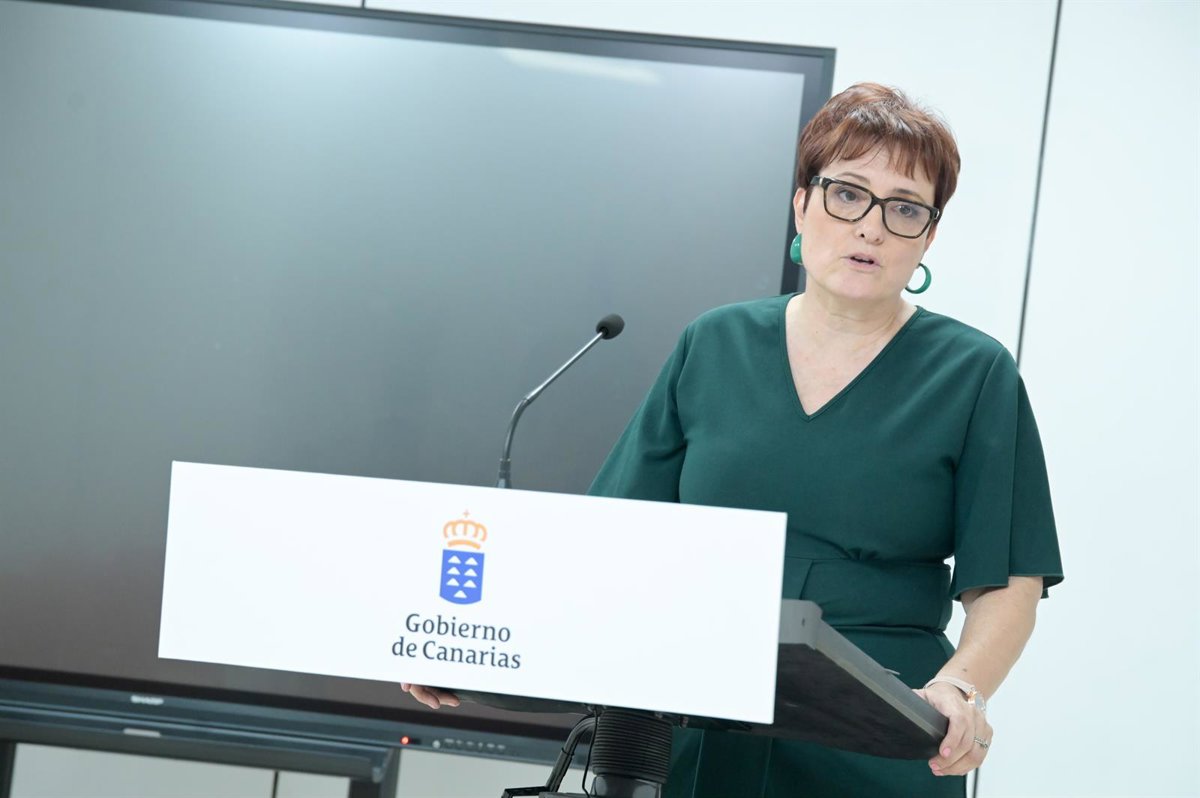
Candelaria Delgado, the Minister of Social Welfare, Youth, Childhood, and Families, along with Francisco Cruz from BCM Gestión de Servicios S.L., formalized this initiative in a contract signing ceremony. The partnership established during this event indicates a strong collaboration between the government and service providers, vital for successful implementation.
Focus on Individualized Care
The core of the Home Care Service is its commitment to individualized attention, which aims to promote autonomy and reduce the need for institutional care. With a well-structured service model, the program will employ over 550 professionals, including aides and coordinators, ensuring comprehensive care for a range of dependency needs.
Targeting users with varying levels of dependency, the service will provide support tailored to individual requirements. The anticipated distribution among service users is as follows: 20% will have a dependency level I, 60% level II, and 20% level III. Each recipient will receive between 20 and 94 hours of service monthly, contributing to over 700,000 hours of care planned for the year.
Objectives and Benefits
The primary goal of the new service is to counteract or prevent a deterioration in the personal situation of users, addressing issues such as isolation, neglect, and risk of social exclusion. This effort reinforces the social fabric of communities by providing vital support to families without displacing their inherent responsibilities.
It is crucial to understand that this service is not merely a supplementary aid but a structured approach to reinforce familial bonds and emotional health. By supporting families in this capacity, the initiative seeks to enhance the quality of life for those receiving care.
Specialized Service Offers
What sets this Home Care Service apart from other forms of aid is its explicit focus on individuals with recognized dependency. A thorough pre-assessment is executed for each applicant to determine their specific needs, ensuring that every service is tailored appropriately.
The assistance provided encompasses various aspects of daily living. This includes personal hygiene, meal preparation, medication management, and support with mobility, all managed with an understanding of both the medical and psychosocial needs of users. Moreover, the service covers essential household tasks like cleaning, laundry, and shopping for groceries.
Adding an emotional dimension to care, this home service also offers companionship, helping to mitigate social isolation, particularly among older adults and those with disabilities living alone. This holistic approach to home care is an essential factor in community well-being.
Team Composition and Operational Strategy
For effective service delivery, a robust team structure has been established. It includes a coordinator, five support coordinators, two administrative aides, and a considerable number of auxiliary home care staff — all trained to provide the necessary support to those in need. This well-organized structure is pivotal not only for daily operations but also for handling any unforeseen issues that may arise.
Projected estimates indicate that 1,500 new users will benefit from these services, with attention tailored to the specific level of dependency they face. Each service hour is meticulously accounted for, ensuring compliance with both operational standards and community needs.
Costs and Legal Framework
The financial model for the service is designed to be sustainable and in line with existing regulations. The cost per hour is set at €21.90, covering all aspects of care inclusive of transportation costs. Acknowledging the complexities of caregiving, provisions are made for necessary breaks during extended shifts, emphasizing the well-being of staff alongside that of users.
As this new Home Care Service prepares for its rollout, it heralds a proactive approach to managing dependency in the Canary Islands. By investing in quality care and embracing a community-focused model, the government not only enhances the support available but also illustrates a deep commitment to social welfare and quality living for all residents.