Europe’s Hidden Clean Energy Goldmine: The Rare-Earth Discovery in Spain
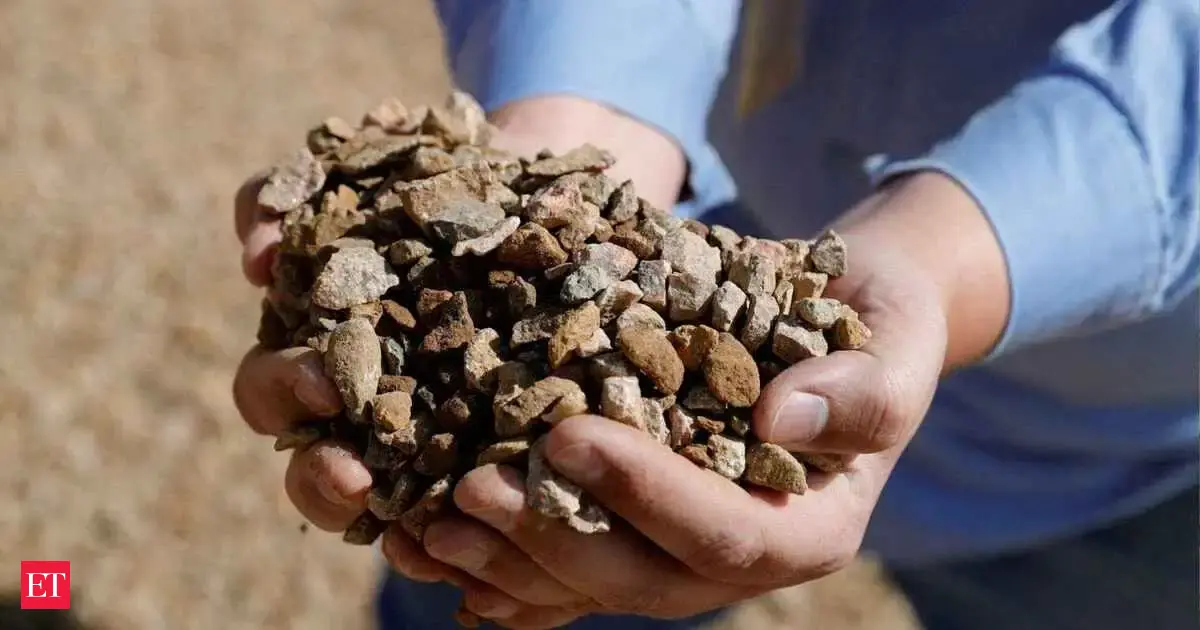
Deep beneath the sun-soaked fields of central Spain lies a treasure trove that could reshape Europe’s energy landscape. In the rural expanse of Campo de Montiel, located in Ciudad Real, a significant deposit of rare-earth minerals has been unearthed, sparking both excitement and controversy. This discovery, rich in monazite ore containing neodymium and praseodymium, could potentially fulfill one-third of Europe’s rare-earth demand, challenging China’s dominance in the supply chain.
The Importance of Rare Earths
Rare earth elements (REEs) are not just geological curiosities; they are critical components in a wide array of modern technologies. Neodymium, for instance, is essential for manufacturing powerful permanent magnets used in electric vehicle motors and wind turbines. Praseodymium, on the other hand, plays a crucial role in various high-tech applications, from smartphones to advanced electronics. As Europe pivots towards renewable energy and electric transportation, the demand for these minerals is skyrocketing.
The company spearheading the project, Quantum Minería, estimates that the Campo de Montiel site could produce around 2,300 tons of rare-earth materials annually. This potential output positions it as one of Europe’s most significant domestic sources, a game-changer in the quest for energy independence.
Europe’s Quest for Self-Sufficiency
Historically, European industries have been heavily reliant on imported rare-earth materials. The processing and refining of these minerals are concentrated in a few countries, primarily China, which has raised alarms about supply chain vulnerabilities. In response, the European Union has introduced the Critical Raw Materials Act, a strategic initiative aimed at bolstering Europe’s access to essential minerals.
This legislation outlines ambitious goals for 2030, including increasing domestic extraction, enhancing processing capabilities within Europe, and reducing reliance on any single supplier. The aim is to create a resilient supply chain that can support Europe’s burgeoning clean-energy sectors while mitigating risks associated with international market fluctuations.
The Role of Gray Monazite
At the heart of this discovery is gray monazite, a mineral that may not be well-known to the average consumer but is invaluable in modern technology. The rare-earth elements contained within gray monazite are vital for improving energy efficiency and enabling the technologies that drive the transition to lower-carbon energy systems.
Neodymium and praseodymium are just the tip of the iceberg; cerium and lanthanum, also found in monazite, have diverse applications ranging from industrial polishing to battery production. As governments invest billions in clean-energy infrastructure, securing reliable supplies of these minerals has become a strategic imperative.
Local Opposition: A Complex Dilemma
Despite the potential economic benefits, the project faces significant local opposition. Campo de Montiel is primarily an agricultural region, and residents are understandably concerned about the environmental implications of large-scale mining. The extraction process requires millions of liters of water, a precious resource in a region already grappling with severe drought conditions.
Moreover, the area is home to protected habitats for endangered species, including the Iberian lynx. Local farmers and environmental groups have raised alarms about the potential impact on water resources, ecosystems, and long-term land use. This has led to regional courts blocking environmental permits, creating a complex dilemma for both the project developers and local communities.
The Regulatory Hurdles
The road to commercial production is fraught with challenges. Even though valuable minerals have been identified, the project must navigate a labyrinth of environmental assessments and regulatory reviews. The future of the mine remains uncertain, as local opposition and environmental concerns take center stage in discussions about its viability.
The project’s fate hinges not only on economic factors but also on the broader implications for the community and the environment. This reality check forces Brussels to confront a pressing question: Can Europe build a sustainable electric future without compromising its own land and resources?
A Step Towards Reducing Dependence
If the Campo de Montiel project eventually receives the necessary approvals and enters commercial production, it could significantly contribute to Europe’s rare-earth supply chain. A domestic source of these critical minerals would help diversify supplies and support industries focused on electric vehicles and renewable energy technologies.
However, experts caution that mining alone is not a panacea. Building a complete supply chain involves extraction, processing, refining, and manufacturing—all of which are crucial for transforming raw minerals into usable components. Thus, while the Campo de Montiel discovery is a promising step, it is merely one piece of a larger puzzle aimed at securing critical resources for Europe’s future.
In summary, the rare-earth discovery in Spain is a pivotal moment for Europe, highlighting the intersection of economic opportunity, environmental stewardship, and community engagement. As the continent strives for energy independence, the challenges and opportunities presented by this find will undoubtedly shape the narrative of Europe’s green transition for years to come.


