The Life and Work of José Rial Vázquez: A Singular Figure in Early 20th Century Canary Islands
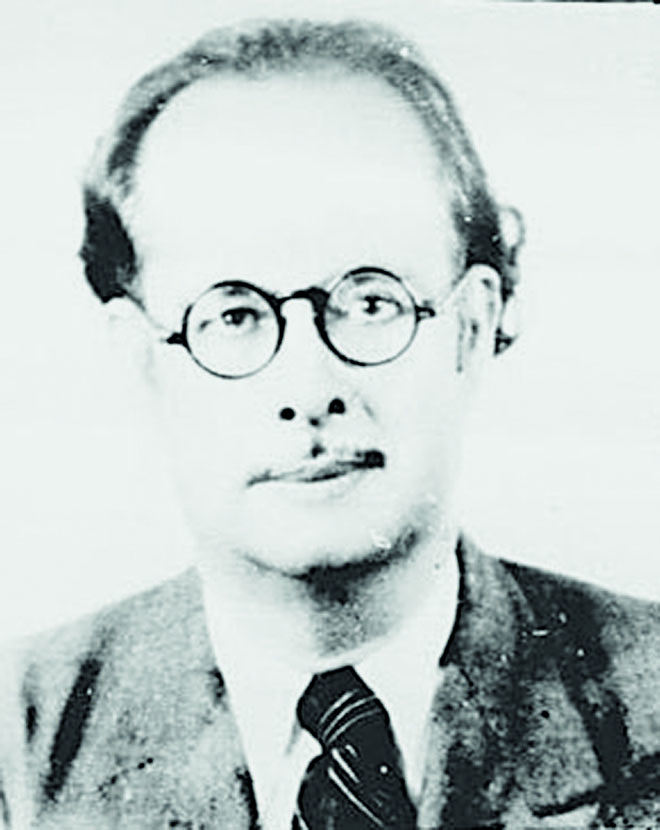
José Rial Vázquez, born in 1888 and passing away in 1976, represents a unique thread in the rich tapestry of early 20th-century Canarian history. A journalist and writer with a deep commitment to leftist political movements, Rial’s life was marked by experiences that shaped not only his personal narrative but also his literary and journalistic contributions. Exiled from his homeland during the dictatorship, his story intersects with the political currents of his time, revealing a complex interplay of literature and activism.
Early Life: Brought to the World by Chance
Rial’s birth was nothing short of extraordinary. He entered the world amidst the tumult of a shipwreck in the Philippines—where his family resided—when his parents’ ship ran aground on the deserted island of Olongapo. This serendipitous beginning in 1888 set the tone for a life enriched by the backdrop of the sea. After the Philippines were ceded to the United States in 1898, Rial’s family returned to Spain, settling in Cádiz. With a father who was a naval engineer, Rial developed a strong connection to maritime culture, which would later resonate in his literary works.
The Lighthouse Keeper: Formative Years in Isla de Lobos
Rial’s deep relationship with the islands of Lanzarote and Fuerteventura began when he became the keeper of the Martiño Lighthouse on Isla de Lobos at the age of 25. The isolation and beauty of the island profoundly influenced him, and he spent three years there with his wife and children, experiencing both solitude and inspiration. Despite the apparent remoteness, Rial utilized this time to cultivate his literary talents. He created a personal library on the island, filled with novels, poems, and essays, making it a notable sanctuary for creativity.
During these transformative years, Rial penned his first novel, “Isla de Lobos,” in 1926, drawing heavily from his life experiences on the island. Two years later, he released “Maloficio,” a collection of three novellas that further explored life in the Canary Islands. Through his characters and narratives, Rial critically examined the stark social realities faced by the inhabitants of Fuerteventura, lamenting the exodus of its people in pursuit of better living conditions.
A Voice for the Islands: Journalism and Activism
Rial’s foray into journalism began in earnest in 1916 when he was assigned to the La Isleta Lighthouse in Las Palmas de Gran Canaria. By 1927, he was the editor-in-chief of “La Provincia,” where he championed the causes of both Lanzarote and Fuerteventura. He was particularly concerned with the socio-economic issues affecting these islands, particularly the lack of water supply, inadequate infrastructure, and unfair labor practices.
Through his columns, he raised awareness for the plight of islanders, famously urging local authorities, “Help, gentleman, for Fuerteventura is dying not only of hunger but also of justice.” His advocacy provided a voice where there was little, shining a light on the dire circumstances of the islands’ inhabitants.
Insightful Travel Chronicles
Rial also excelled in travel writing, using his experiences to highlight the lives and struggles of those he encountered. His “Crónicas de viaje” presented vivid portraits of working-class islanders, emphasizing their hardships and dreams amidst systemic neglect. He captured poignant moments, such as a harrowing tale of a local man desperate for work to support his eleven children, illustrating the urgent need for social change.
Challenges and Exiles: The Political Landscape
The political climate during Rial’s life posed significant challenges. He was a foundational member of the Socialist Party in Las Palmas and involved in political activities that opposed the fascist regime that rose in Spain. His commitment to leftist ideologies led to his imprisonment in a concentration camp in La Isleta after the military coup of 1936. Furthermore, he was deported to the Spanish Sahara, where he participated in the daring escape known as the Villa Cisneros incident, which later inspired his writing.
After fleeing the regime, Rial spent his years in exile across several countries in the Americas, including the Dominican Republic, Mexico, and Venezuela. His political engagement and activism continued, often landing him into further troubles due to his socialist leanings, yet he remained undeterred, contributing articles and stories to various publications.
Literary Legacy and Return to the Islands
Rial’s literary pursuits persisted throughout his life, allowing him to remain an influential figure even in exile. His return to the Canary Islands in 1964 marked a bittersweet chapter in his life. Though he continued to write for “La Tarde,” his experiences abroad and the tumult of his earlier life lingered, informing his contributions to journalism and literature.
Today, Rial’s legacy remains relevant, buoyed by the efforts of organizations like the Juan Negrín Foundation. They have curated exhibitions and discussions around his work, rekindling interest in his narrative of struggle, commitment, and resilience. Through these initiatives, José Rial Vázquez continues to inspire future generations, embodying the intersection of art and activism in a time of great upheaval.