King Felipe VI of Spain: A Monarch Confronting Imperial History
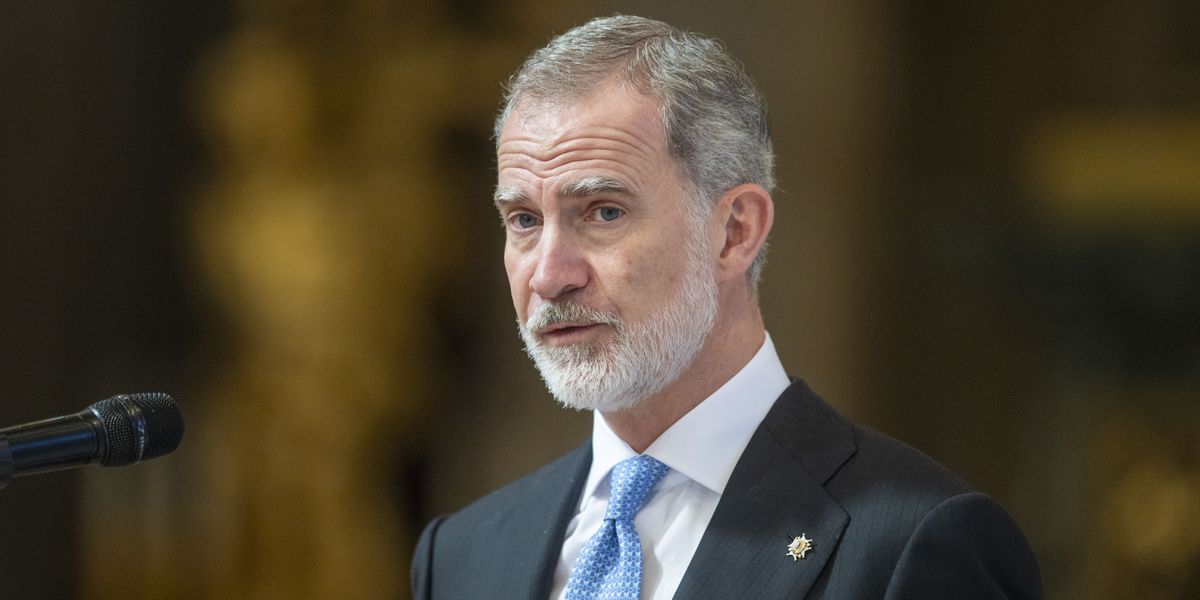
King Felipe VI of Spain has recently ignited a heated debate by addressing Spain’s colonial past, a move that has drawn both praise and ire. His comments, made during a visit to a Madrid museum alongside Mexico’s ambassador, acknowledged the “many abuses” inflicted by Spanish conquistadors on indigenous populations during the colonization of the Americas. This admission marks a significant departure from the traditional narrative upheld by the Spanish monarchy, which often framed colonization as a civilizing mission.
A Shift in Narrative
Historically, the Spanish monarchy has maintained a narrative that glorifies the conquistadors as harbingers of civilization. However, King Felipe’s remarks represent a notable shift towards a more critical examination of Spain’s imperial legacy. He emphasized the importance of learning from “moral and ethical controversies over the exercise of power from day one,” suggesting a need for reflection on the darker aspects of colonial history.
This change has not gone unnoticed, particularly among conservative factions in Spain. Many right-wing figures have expressed outrage, arguing that the king’s acknowledgment undermines the historical contributions of the conquistadors. Alberto Núñez Feijóo, leader of the opposition People’s Party, dismissed the king’s comments as “absurd,” asserting that a 21st-century perspective on 16th-century events is misguided. He proudly defended the Hispanic legacy in Latin America, illustrating the deep-seated divisions in contemporary Spanish society regarding its colonial past.
Political Context and Diplomatic Implications
Diplomatic sources suggest that King Felipe’s remarks may have been strategically timed, likely orchestrated by Spanish Prime Minister Pedro Sánchez. With a Latin American summit approaching in Madrid, the king’s comments could be seen as an effort to strengthen ties with Mexico, a country with which Spain has had a complex relationship. The acknowledgment of historical abuses may serve as a gesture of goodwill, particularly in light of previous tensions, such as the lack of response to former Mexican President Andrés Manuel López Obrador’s 2019 letter requesting recognition of colonial atrocities.
Mexican President Claudia Sheinbaum responded positively to the king’s comments, viewing them as a step toward healing historical wounds. She extended an invitation for King Felipe to visit Mexico during the upcoming World Cup, signaling a potential thaw in relations between the two nations.
The Backlash from Conservatives
The backlash from conservative figures in Spain has been swift and vocal. Isabel Díaz Ayuso, Madrid’s regional president, framed the conquest in religious terms, asserting that the Spanish brought a “new order” and a sacred understanding of life. Hermann Tertsch, an MEP from the Vox party, expressed disbelief at the king’s alignment with what he termed “theories that seek to damage Spain’s history.” Such reactions underscore the ongoing cultural and political divides in Spain, particularly regarding its colonial legacy.
Social media users have also weighed in, with some declaring that “our King has gone woke,” while others lamented that colonialism was a necessary force for progress. These reactions reflect a broader societal struggle to reconcile Spain’s imperial past with contemporary values.
European Monarchs and Colonial Legacies
King Felipe VI’s approach is part of a larger trend among European monarchs grappling with their nations’ colonial histories. While many have avoided full acceptance of responsibility—likely due to the potential legal implications of reparations—some have expressed varying degrees of regret. For instance, King Charles of the UK has voiced “personal sorrow” regarding Britain’s involvement in the transatlantic slave trade, while Belgium’s King Philippe issued a formal apology for colonial violence in the Congo.
In contrast, King Willem-Alexander of the Netherlands took a bold step by formally apologizing for the Netherlands’ role in the transatlantic slave trade earlier this year. These actions highlight the complexities and challenges faced by modern monarchies as they navigate the legacies of their nations’ pasts.
The Broader Implications
The conversation surrounding King Felipe’s comments extends beyond Spain and Mexico. As nations grapple with their colonial histories, calls for reparations are becoming more pronounced. African Union members are preparing legal actions against former colonial powers, including Spain, seeking reparations for centuries of exploitation. This growing movement underscores the urgency of addressing historical injustices and the potential ramifications for nations that have yet to confront their pasts.
In this context, King Felipe VI’s remarks may signal a pivotal moment for Spain, as the monarchy navigates the delicate balance between acknowledging historical wrongs and preserving national pride. The ongoing dialogue surrounding these issues will likely shape Spain’s identity and its relationships with former colonies for years to come.