Revamping Social Services for the Homeless in Las Palmas de Gran Canaria
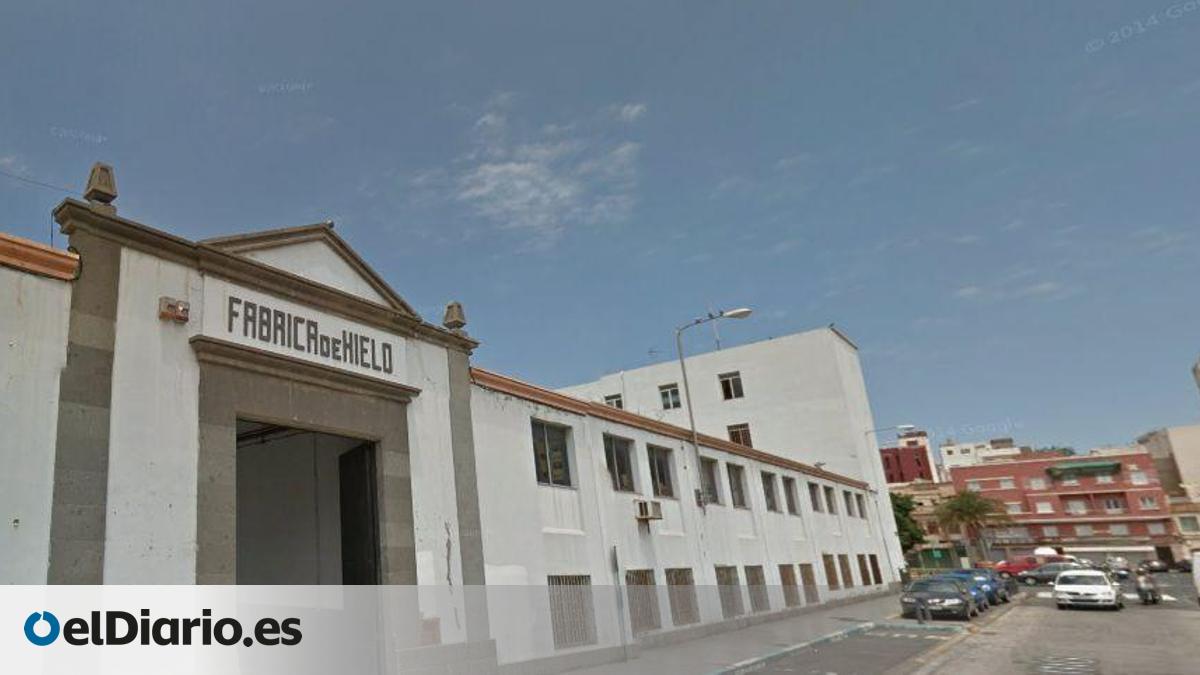
The social landscape of Las Palmas de Gran Canaria is taking a significant step forward with changes aimed at enhancing the lives of homeless individuals. The city’s Social Services Department has relocated its food service for the homeless to the former ice factory, shifting the operations from the outdated Municipal Shelter Gánigo. This move signals a commitment to improving support services for those in need, while also managing to close a facility that, as Councilor Carmen Luz Vargas explains, no longer met contemporary demands.
Modernization of Facilities
The Municipal Shelter Gánigo, originally opened in the 1940s, has been deemed obsolete for current needs. The decision to relocate the food service and residential placements reflects a broader effort to innovate and modernize. The new location at the ice factory not only provides a more suitable environment for operations but also ensures a space that is dignified and secure for users. As Vargas notes, “a resource for homeless individuals deserves a dignified and secure place,” emphasizing the importance of the living conditions in which services are provided.
Holistic Approach to Social Inclusion
This initiative is part of a more extensive strategy by the City Council to offer comprehensive support for those experiencing homelessness. The services provided include temporary accommodation, meals, social assistance, and medical and psychological care. The focus is on addressing various circumstances, whether they stem from transience, social marginalization, or family disconnection. The ultimate goal is to facilitate reintegration into society, utilizing tailored methods that cater to the specific needs of each individual.
Street Intervention and Personalized Care
At the municipal ice factory, not only will the food service operate, but it will also serve as the headquarters for the street intervention team and the Social Services Information and Assessment Service. This dual-purpose setup allows professionals to implement their outreach strategies more effectively, engaging with homeless individuals directly where they are. Many who find themselves in these situations may be hesitant to seek help for myriad reasons, and it is the responsibility of the outreach workers to build trust. As Vargas affirms, creating an inviting environment equipped with quality resources is fundamental in encouraging individuals to accept assistance.
Enhancements and Technological Integration
An exciting development on the horizon is the launch of a new application intended to improve service coordination among social organizations providing meals. This technological tool will facilitate better understanding and tracking of the homeless population, thereby enhancing network collaboration between municipal social services and NGOs. By establishing clearer communication pathways and aligned approaches, the application aims to streamline service delivery and ensure that individuals receive appropriate, tailored support.
Data and Personalization in Support Services
This new tool will also adhere to updated national counting criteria set forth by the Ministry of Social Rights and the 2030 Agenda, allowing for improved monitoring of individual situations. With greater oversight, professionals can develop a more personalized approach to service delivery, maximizing the impact on each person’s journey out of homelessness.
The proactive measures taken by the Social Services Department demonstrate a profound understanding of the complexities surrounding homelessness. By investing in suitable infrastructure and innovative solutions, Les Palmas de Gran Canaria is paving the way for a more compassionate and effective support system for its most vulnerable populations.