A Historic Milestone for Canary Sports: The Inaugural Super Copa de Bola Canaria
An Unforgettable Event
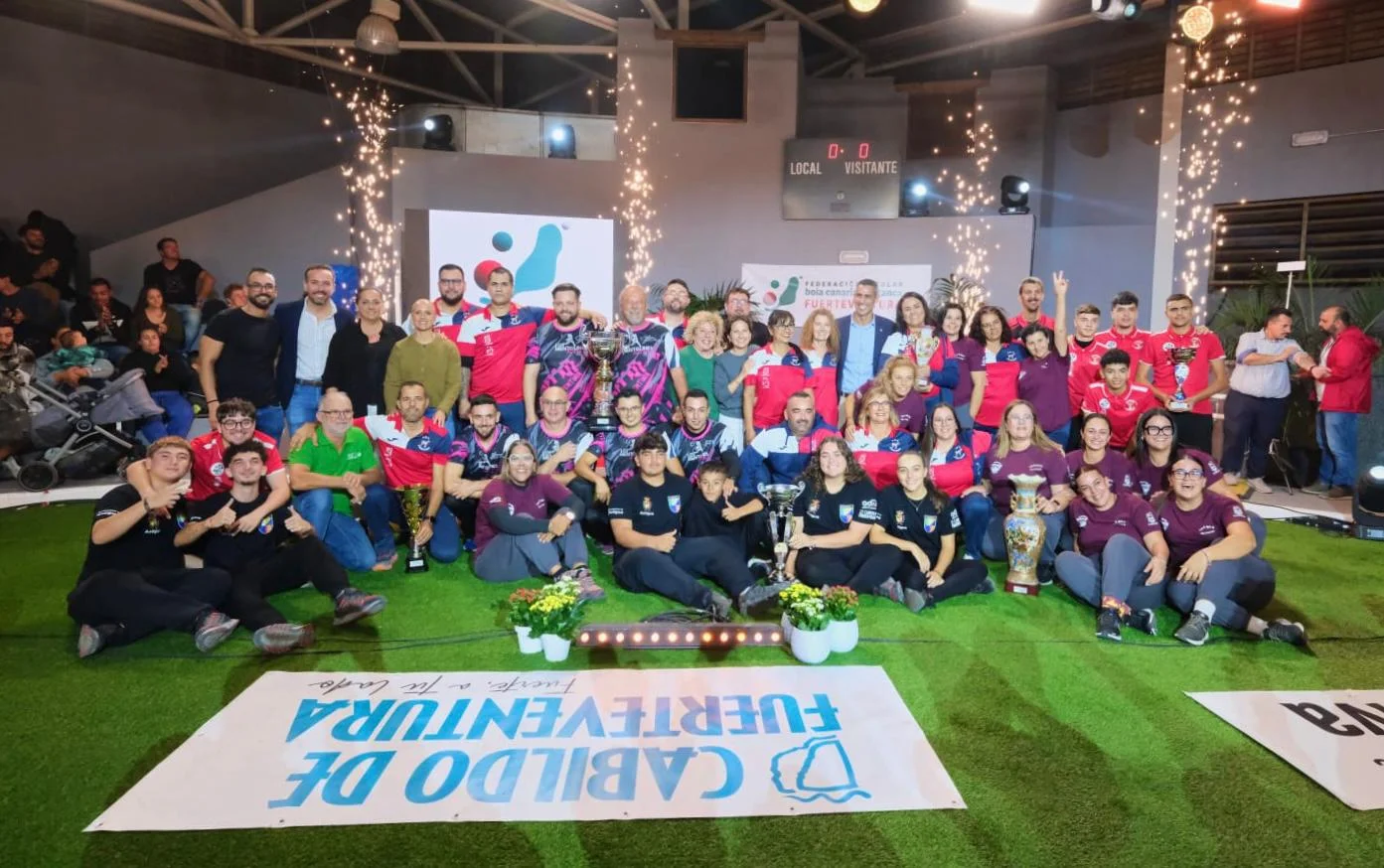
For the very first time, the Super Copa de Bola Canaria was held, marking a historic moment for sports in the Canary Islands. The event took place at the ‘Venancio Guerra’ wrestling ground in the municipality of La Oliva, specifically in Lajares. This groundbreaking occasion attracted nearly 500 spectators who filled the venue to capacity, eager to witness competition rooted in traditional Canarian culture.
Organized by the Insular Federation of Fuerteventura for Bola Canaria and Petanca, the event showcased a strong commitment to preserving and promoting traditional games. As reported by the Cabildo de Fuerteventura, local authorities came together with the Federation and the Municipality of La Oliva to create an authentic celebration of Canarian bowling, transforming the wrestling venue into a dynamic hub of excitement and camaraderie.
A Season of Excellence
The Super Copa followed an impressive majorera season that saw the participation of almost 80 teams. This event was particularly significant as it featured a thrilling face-off between the league champions and cup champions across three categories: juvenile, female, and male. The atmosphere was electric, with supporters cheering for their favorite teams in a display of community spirit that enveloped the entire venue.
Category Winners
In a joyous culmination of competing talent, the winners were announced shortly after the matches concluded:
- Juvenile Category: ‘Los Cacharritos de Antigua’ emerged victorious against ‘Los Cabritos del Herbania’.
- Female Category: The title went to ‘Las R que R’, who triumphed over ‘El Jablito’.
- Male Category: ‘Los Mentolines’ claimed the championship, defeating ‘Los Chamajos’.
Commitment from Local Leaders
Support for this initiative was echoed by local leaders, including Luis González, the councilor for sports, who highlighted the importance of this event in demonstrating the significant role of bola canaria in Fuerteventura’s cultural heritage. He reaffirmed the Cabildo’s commitment to promoting indigenous sports through various support programs, such as the Insular Sports Aid Program (ADI) and the campaign to preserve traditional games, ‘No Olvides Lo Nuestro’.
Isaí Blanco, the mayor of La Oliva, along with the sports councilor Gleiber Carreño, praised the event’s success, emphasizing the municipality’s dedication to fostering indigenous sports. Their remarks reinforced the collaborative effort that brought this event to life, showcasing an unwavering commitment to honoring local traditions.
Prominent figures, including Lorena Hernández, the General Director of Indigenous Sports, and Nereida Calero, the Territorial Planning Councilor, were also present, further emphasizing the event’s importance at both local and regional levels.
What is Bola Canaria?
Bola Canaria is a traditional game similar to petanque, yet it features heavier balls and is played on a larger field. The objective is to throw a ball from a designated starting point with the aim of getting as close as possible to a target ball, known as a boliche, while maximizing the number of balls remaining in play for one’s team.
Throughout the competition, the following teams contended fiercely for the coveted titles:
- Juvenile Teams: Los Cabritos del Herbania vs. Los Cacharritos de Antigua
- Female Teams: Las R que R vs. El Jablito
- Male Teams: Los Chamajos vs. Los Mentolines
Broadcasting the Event
Fans of the sport had opportunities to experience the thrill of the Super Copa through a live broadcast on Radio Televisión Canaria’s sports page on YouTube and via terrestrial television on TDT. The match was narrated by journalist Yolanda Martínez, offering viewers a chance to engage with the celebration from the comfort of their homes.
This inaugural Super Copa not only highlighted the athletes’ talent but also served to strengthen community ties and nurture a deeper appreciation for Canarian traditions and sports. The energy felt at the Venancio Guerra wrestling ground represents more than just a competition; it is a testament to the enduring spirit of a culture that thrives on community engagement and celebrating its unique heritage.