Madrid’s Nightlife Transformation: The Rise of Hard Techno
In recent years, Madrid’s nightlife has undergone a remarkable transformation, with the upcoming hard techno festival at IFEMA serving as a prime example of this cultural shift. For many Spaniards, this event is not merely a music festival; it symbolizes a broader change that is reshaping the city’s economy, tourism, and its reputation as a vibrant hub for the modern electronic music scene. With expectations to attract around 30,000 techno enthusiasts at the end of March, this festival is poised to set a new attendance record for such events in Spain.
Technology and Energy
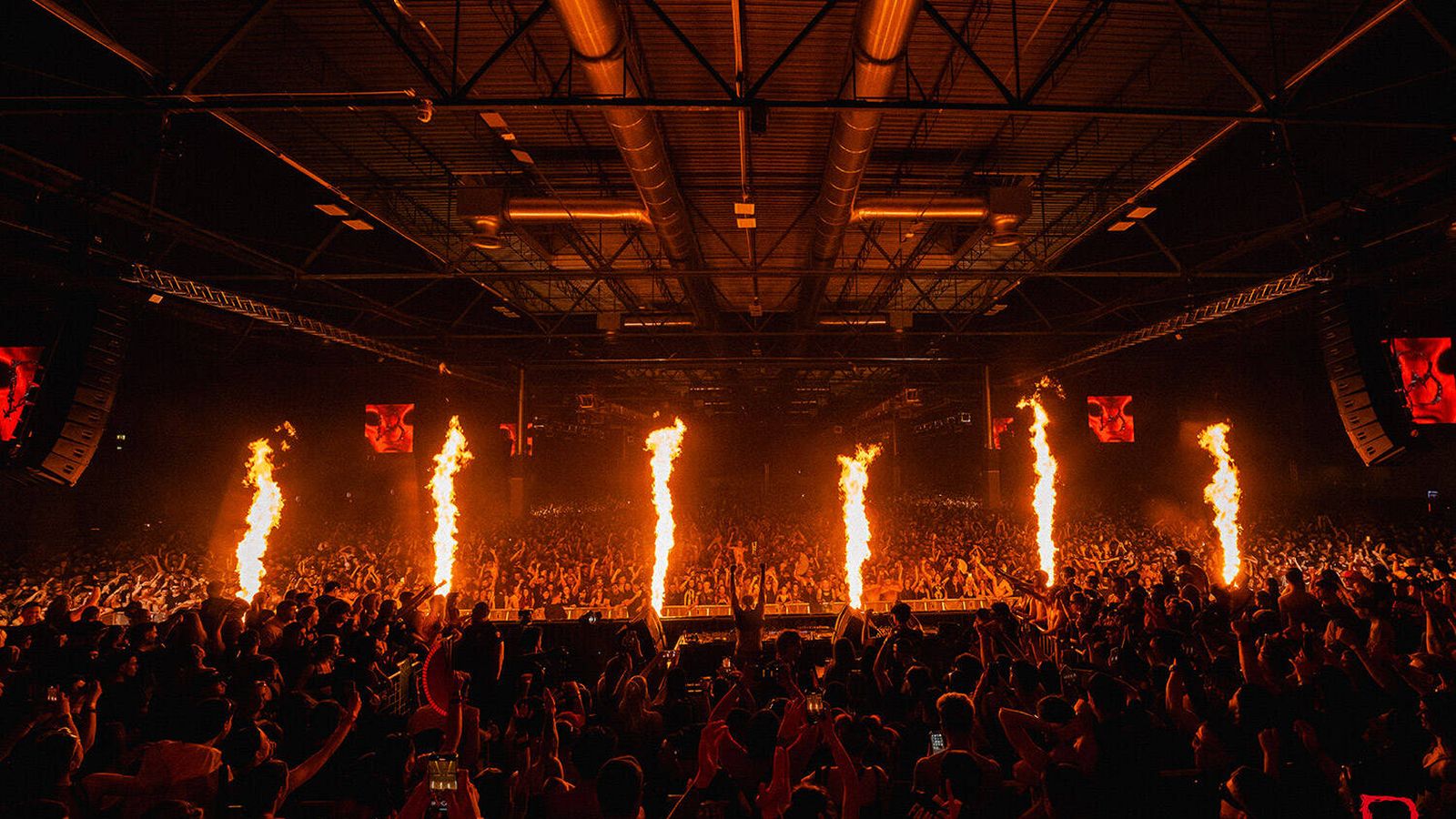
The Blackworks Weekend Festival 2026: Dimension promises to turn IFEMA’s exhibition complex into a colossal dancefloor over two exhilarating days, from March 27 to 28. Nearly fifty artists are lined up to perform, including renowned names like Kobosil, 6EJOU, SNTS, Angerfist, I Hate Models, Vendex, Lee Ann Roberts, and Fernanda Martins. Each artist is celebrated for their powerful sets and unique interpretations of hard techno. According to El Confidencial, the festival will utilize multiple halls, with music pulsating non-stop from evening until morning. Attendees can expect to be dazzled by giant LED screens, futuristic stage designs, and the signature red lighting that Blackworks is known for.
The festival is designed for total immersion, featuring two stages, countless hours of music, and a gathering of thousands of like-minded individuals. This sense of unity is a hallmark of the hard techno scene and is increasingly becoming a trend across Europe, now making its mark in Spain. As noted by Russpain.com, the growing interest in hard techno among the youth is outpacing that of other electronic music genres, a trend that is clearly reflected in the scale of this event.
A New Wave of Youth Culture
Hard techno has emerged as the new ‘punk’ for Generation Z. Since the pandemic, this genre has become a symbol of freedom and collective experience, with its driving rhythms of 155 to 160 beats per minute creating an electrifying atmosphere on the dance floor. Young people are seeking more than just music; they are in search of a medium to express their emotions and connect with their community. Festivals like the Blackworks Weekend Festival 2026: Dimension have become integral to urban culture, with IFEMA acting as a magnet for those desiring an experience that transcends the ordinary party scene.
In recent months, Spain has witnessed a surge in such events. For instance, the Basque Country recently launched its first ‘silent’ disco, where attendees dance with headphones to minimize noise disturbances for local residents. This innovative format highlights the increasing diversity and tech-driven nature of the country’s nightlife, showcasing a willingness to adapt and evolve.
Economy and Tourism
Hosting major festivals at IFEMA brings substantial cultural and economic benefits to Madrid. Thousands of visitors are expected to flock to the city from various regions and countries, leading to increased hotel occupancy, heightened transport demand, and a boost in consumption at local restaurants and cafes. According to El Confidencial, such events not only enhance tourism but also contribute to reshaping Madrid’s image as a center for contemporary youth culture. For local businesses, this presents an opportunity to attract new audiences, while for the city, it strengthens its position on the European festival map.
However, organizing such large-scale events requires meticulous preparation. Ensuring safety, managing logistics, monitoring noise levels, and adhering to sanitary standards are all critical components. Madrid authorities have experience hosting major events, but each new festival presents unique challenges. This year, special attention is being devoted to safety and guest comfort to prevent incidents and maintain the city’s positive reputation.
Context and Trends
Spain has increasingly established itself as a significant player on the European electronic music scene. Major festivals are not limited to Madrid; cities like Barcelona and Valencia are also becoming hotspots for electronic music enthusiasts. In 2025, a similar event in Barcelona attracted over 20,000 attendees, while Valencia hosted its inaugural open-air hard techno festival featuring international stars. These examples underscore the growing interest in such formats, positioning Spain as a key destination for electronic music fans across Europe.
Experts, as noted by El Confidencial, emphasize that these festivals serve not only as entertainment venues but also as platforms for sharing experiences, discovering new ideas, and shaping trends in youth culture. As the landscape of nightlife continues to evolve, we can anticipate new formats and an expanded array of events emerging across the country in the coming years.


